
U.S.-Iran military tensions escalate as Pakistan mediates
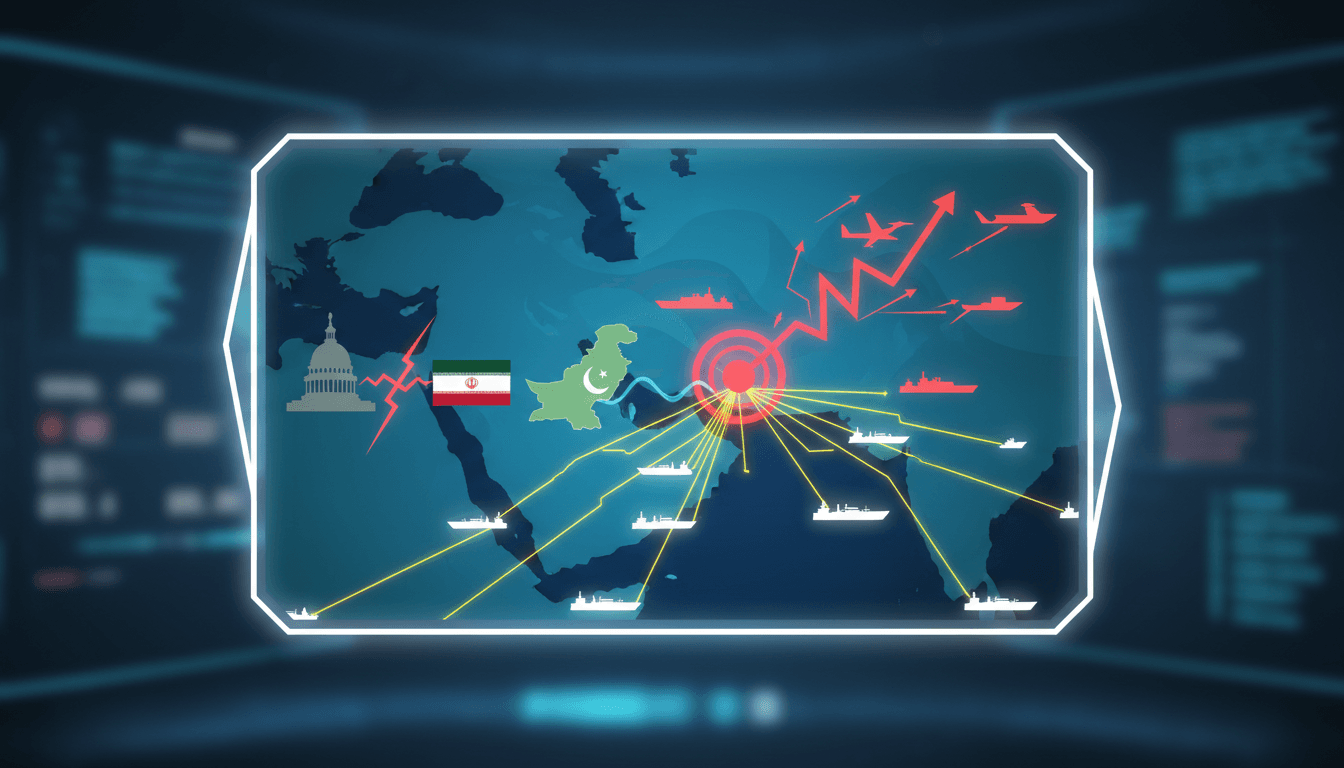
Here's what it means for you.
The ongoing military confrontations between the U.S. and Iran, particularly around the vital Strait of Hormuz, could have significant implications for global shipping and energy markets. As tensions rise, the potential for increased military funding in the U.S. may shift policy priorities and affect international relations. The involvement of Pakistan as a mediator highlights the complexity of the situation and the urgent need for diplomatic solutions. The conflict's escalation could lead to further disruptions in shipping routes, impacting global trade and economic stability. Stakeholders in the energy sector should closely monitor developments, as any prolonged military engagement may drive oil prices higher.
What happened
Tensions between the U.S. and Iran have escalated significantly, particularly affecting the strategic Strait of Hormuz. Both nations are engaged in sustained military attacks, marking the tenth consecutive day of conflict. Amid this turmoil, Pakistan is actively attempting to mediate between the two countries to restore peace.
The ongoing military actions have led to a substantial stall in shipping through the Strait of Hormuz, a critical waterway for global commerce. The U.S. Defense Secretary has indicated that the financial cost of the war with Iran has already reached $37.5 billion, underscoring the extensive resources involved in this conflict.
The Context
The Strait of Hormuz is a vital artery for global shipping, making the current military confrontations particularly concerning for international trade. The U.S. is seeking additional funding from Congress to support its military operations against Iran, which may further escalate tensions. Pakistan's role as a mediator is crucial, as it attempts to revive a collapsed temporary agreement between the two nations.
The conflict has persisted for at least ten days, with both sides showing no signs of de-escalation. The situation remains volatile, and the effectiveness of Pakistan's mediation efforts will be pivotal in determining the future trajectory of U.S.-Iran relations.
Takeaway
The ongoing military actions and stalled shipping through the Strait of Hormuz may prompt further international diplomatic efforts to resolve the conflict. Observers should watch for potential developments in U.S. Congressional funding for military operations, as this could influence the dynamics of the situation. Additionally, updates on Pakistan's mediation efforts and any resulting agreements will be critical in assessing the likelihood of a peaceful resolution.
As the situation unfolds, the international community will be keenly focused on the implications for regional stability and global economic impacts.
International stories from NPR’s global desk.
"NPR is an American public media organization known for thoughtful reporting and a slightly left-leaning editorial tone."
— A47 Editor
U.S. and Iranian attacks continue as tensions mount on a key waterway in the Red Sea
The ongoing military conflict between the United States and Iran has escalated, with both nations exchanging strikes in the Red Sea region. This surge in hostilities coincides with the Trump administration's request for additional funding from Congre...
Pan-Arab news coverage spanning politics, business, sports, and regional affairs.
"Asharq Al-Awsat reflects a broad Arab editorial perspective with strong attention to regional geopolitics."
— A47 Editor
باكستان تعيد تحريك الوساطة وسط خلاف على الهدنة
Pakistan has intensified efforts to mediate between Iran and the United States, aiming to revive a collapsed temporary agreement, as both parties continue their attacks for the tenth consecutive day.
Global coverage of politics, crises, and international affairs.
"HuffPost provides progressive-oriented reporting on international developments, often focusing on humanitarian and social justice issues."
— A47 Editor
Iran And U.S. Persist In Their Attacks, As Pakistan Tries To Keep Diplomacy Alive
The ongoing military confrontation between the United States and Iran has intensified, particularly around the strategically significant Strait of Hormuz, where shipping has largely stalled due to escalating attacks. The U.S. has conducted airstrikes...