
US sanctions waiver on Russian oil expires amid geopolitical tensions
Here's what it means for you.
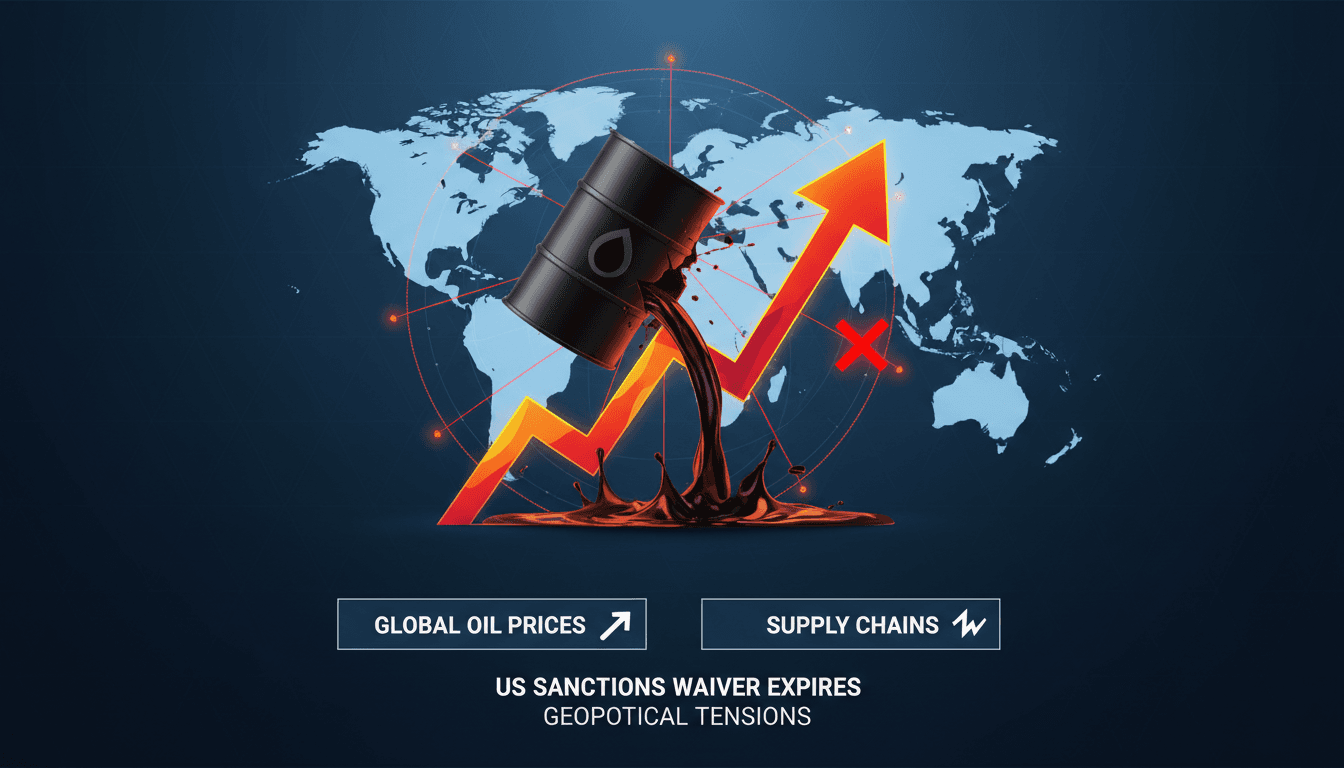
The expiration of the U.S. waiver on sanctions for Russian seaborne oil signals a potential shift in U.S. policy towards stricter enforcement of sanctions. This decision could lead to increased volatility in global oil markets, affecting prices and supply chains. Stakeholders in the energy sector should prepare for possible repercussions as the geopolitical landscape evolves.
What happened
The U.S. Treasury has allowed its waiver on sanctions for Russian oil to expire, which officially occurred at midnight on June 17, 2026. This decision raises questions about the future enforcement of sanctions against Russia, particularly in the oil sector. The waiver was initially implemented to manage oil supply during wartime, but its expiration may lead to renewed scrutiny of Russian oil imports.
Despite ongoing sanctions, Russia has continued to benefit from oil sales, which complicates the enforcement landscape. The lack of an extension for the waiver indicates a potential tightening of U.S. sanctions policy.
The Context
The expiration of the waiver comes amid heightened geopolitical tensions, particularly regarding U.S.-Russia relations. The waiver was originally designed to ensure stability in oil supply during a time of conflict, but its effectiveness has been called into question as Russia's oil revenue remains robust. The decision not to extend the waiver reflects a growing concern over the implications of Russian oil imports on global markets.
As the U.S. reassesses its approach to sanctions, the international community will be closely monitoring the situation. The implications of this decision could reverberate through energy markets, influencing both pricing and supply dynamics.
Takeaway
The expiration of the waiver may lead to increased scrutiny of Russian oil exports, prompting potential responses from Russia regarding its oil sales. Observers should watch for any announcements from the U.S. government regarding future sanctions and their enforcement. As the situation develops, the global oil market may experience volatility, necessitating a clear U.S. stance on sanctions to effectively manage international relations and energy supply.
UAE-based English-language newspaper covering regional politics, economics, and global affairs.
"The National reflects Emirati policy perspectives while maintaining international editorial standards."
— A47 Editor
Russia's oil windfall outlasts the US's wartime waiver
Russia's oil revenue continues to thrive despite the expiration of a U.S. waiver that previously allowed for the importation of Russian oil. This development highlights Russia's resilience in maintaining its oil market presence amid ongoing geopoliti...
Regional and international reporting focused on Middle Eastern politics, diplomacy, and economics.
"Asharq Al-Awsat is a Saudi-owned international newspaper reflecting mainstream Gulf political perspectives."
— A47 Editor
US Quietly Allows Waiver on Russian Oil to Expire
The United States has allowed a waiver that permitted the importation of Russian oil to expire, marking a significant shift in its energy policy towards Russia amidst ongoing geopolitical tensions. This decision reflects the U.S. government's stance ...
Regional coverage and analysis focused on politics, diplomacy, and business across the Middle East.
"Al-Monitor is known for analytical reporting on Middle East politics and policy developments."
— A47 Editor
US quietly allows waiver on Russian oil to expire
The U.S. Treasury allowed its waiver on sanctions against Russian seaborne oil to expire without issuing an extension, leaving uncertainty about the potential re-imposition of these measures. This decision was made public on June 17, 2026, but Presid...
Oil, metals, and agriculture: supply/demand headlines, OPEC chatter, inventories, and price action.
"Solid tape for energy and metals traders tracking macro and micro catalysts."
— A47 Editor
US quietly allows waiver on Russian oil to expire
The United States has allowed a waiver on Russian oil imports to expire, marking a significant shift in its energy policy amidst ongoing geopolitical tensions. This decision reflects the U.S. government's stance on limiting reliance on Russian oil, w...