
Japan-linked vessels exit Strait of Hormuz after months of being stranded
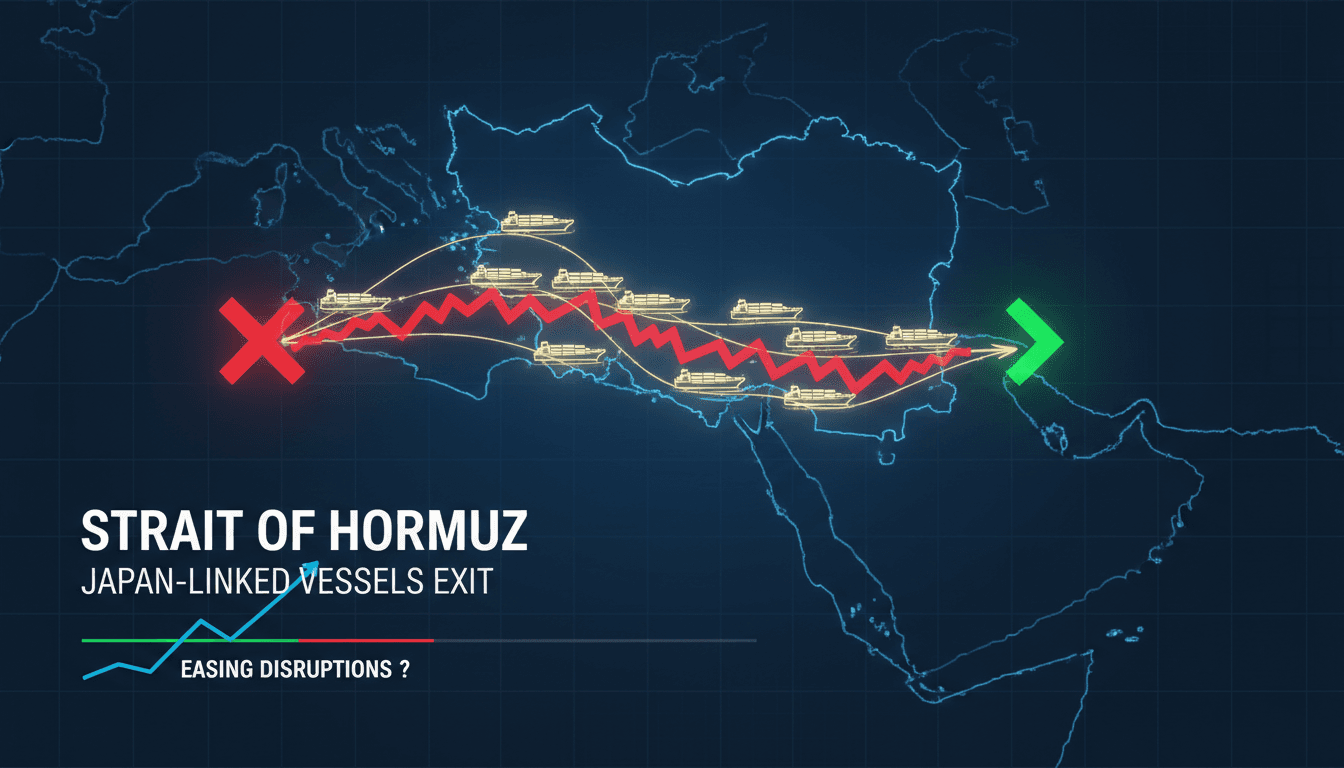
Here's what it means for you.
The successful exit of ten Japan-linked vessels from the Strait of Hormuz signals a potential easing of shipping disruptions in a critical maritime corridor. This development may restore some confidence among stakeholders in international trade, particularly those reliant on this vital route. As geopolitical tensions continue to shape maritime operations, the implications of this event will be closely monitored by industry experts and policymakers alike.
What happened
Ten vessels linked to Japan have successfully exited the Strait of Hormuz after being stranded for several months. This significant movement occurred on July 6, 2026, and was confirmed by shipping data. The prolonged entrapment of these vessels highlights the challenges faced by maritime trade in the region, which is often influenced by geopolitical factors.
The exit of these ships marks a notable shift in the dynamics of shipping traffic in the Gulf. Their departure may alleviate some concerns regarding shipping disruptions that have affected trade routes in recent months. This event underscores the complexities of navigating maritime operations amid ongoing regional tensions.
The Context
The vessels had been trapped in the Gulf for months, reflecting broader geopolitical tensions that complicate maritime trade. The Strait of Hormuz is a critical shipping lane, and disruptions in this area can have significant implications for global trade. Stakeholders, including shipping companies and governments, are particularly sensitive to developments in this region due to its strategic importance.
As the situation evolves, the exit of these Japan-linked vessels may indicate a shift in the operational landscape for maritime trade. The ongoing geopolitical tensions in the region continue to pose risks, making it essential for stakeholders to remain vigilant. This event serves as a reminder of the intricate relationship between maritime security and international trade.
Takeaway
The departure of the Japan-linked vessels may signal a potential easing of shipping disruptions in the region, but stakeholders should remain cautious. Monitoring shipping traffic in the Strait of Hormuz will be crucial in assessing future developments. Additionally, any geopolitical changes that may arise could further impact maritime security and trade routes.
As the situation unfolds, the implications for regional stability and shipping operations will be of paramount interest to industry experts. The exit of these vessels could pave the way for increased maritime activity, but the underlying tensions in the region warrant close observation.
Pan-Arab news coverage spanning politics, business, sports, and regional affairs.
"Asharq Al-Awsat reflects a broad Arab editorial perspective with strong attention to regional geopolitics."
— A47 Editor
أسطول من 10 سفن مرتبطة باليابان يغادر مضيق هرمز
A fleet of 10 ships associated with Japan departed from the Strait of Hormuz on Monday, as indicated by shipping data. This movement highlights ongoing maritime activities in a strategically significant region.
Macro commentary, policy analysis, growth/inflation themes, and global outlooks.
"Contextual macro coverage that complements day-to-day market headlines."
— A47 Editor
Japan-linked vessels exit Strait of Hormuz after months stranded in Gulf - reports
Japan-linked vessels have successfully exited the Strait of Hormuz after being stranded for several months in the Gulf, marking a significant development in maritime operations in this crucial waterway. This exit comes amidst ongoing geopolitical ten...
English-language news from Qatar covering domestic and regional affairs.
"Gulf Times reflects Qatari perspectives on regional developments."
— A47 Editor
Fleet of 10 Japan-related ships exit Hormuz, data shows
A fleet of 10 Japan-linked vessels was reported to be exiting the Strait of Hormuz on Monday, coinciding with the departure of a supertanker carrying Saudi crude oil to South Korea over the weekend, according to shipping data from LSEG.
Regional and international reporting focused on Middle Eastern politics, diplomacy, and economics.
"Asharq Al-Awsat is a Saudi-owned international newspaper reflecting mainstream Gulf political perspectives."
— A47 Editor
Fleet of 10 Japan-related Ships Exit Hormuz, Data Shows
A fleet of ten vessels linked to Japan has successfully exited the Strait of Hormuz after being trapped for several months amid rising regional tensions. This movement follows a period marked by concerns over maritime safety and geopolitical dynamics...
UAE-based English-language newspaper covering regional politics, economics, and global affairs.
"The National reflects Emirati policy perspectives while maintaining international editorial standards."
— A47 Editor
Iran war latest: Ten Japanese-linked vessels leave Hormuz after being trapped for months
A fleet of ten vessels linked to Japan has successfully exited the Strait of Hormuz after being trapped for several months amid rising tensions in the region. This movement follows a period marked by concerns over maritime safety and geopolitical dyn...