
New blood test developed to predict Alzheimer's risk in healthy older adults
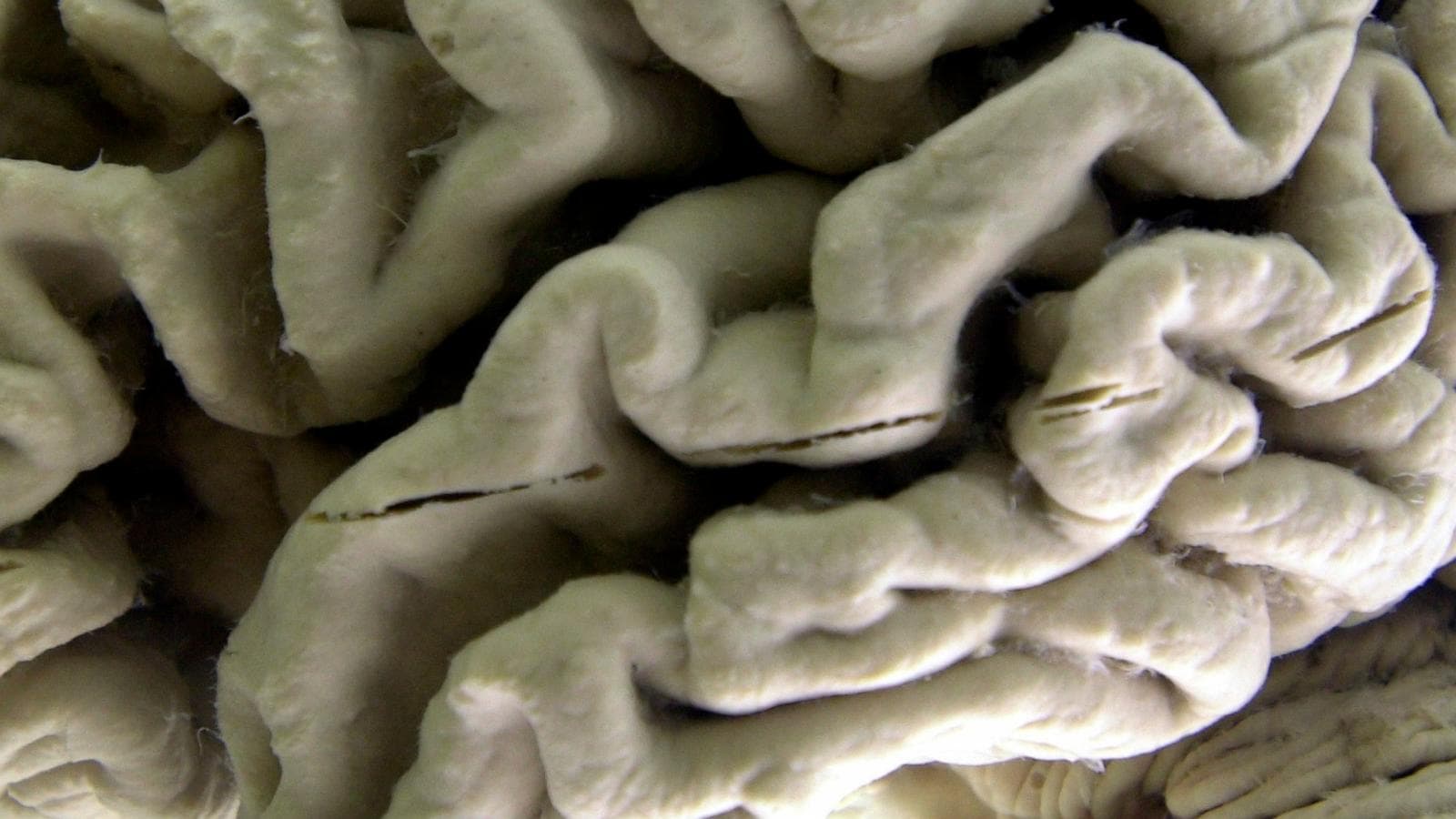
Here's what it means for you.
The development of a blood test to predict Alzheimer's risk could revolutionize early detection and intervention strategies for the disease. This advancement may enable healthcare providers to identify high-risk individuals sooner, facilitating timely enrollment in clinical trials for potential treatments. As research progresses, the implications for public health and policy could be significant, particularly in managing the growing prevalence of Alzheimer's among older adults. The potential for this test to enhance personalized medicine approaches in neurology is noteworthy. However, experts caution that further validation is necessary before it can be widely implemented in clinical settings.
What happened
Researchers have announced a groundbreaking blood test that can predict the risk of Alzheimer's disease in healthy older adults. This test, which measures levels of tau protein associated with cognitive impairment, has shown promising results in identifying individuals at high risk. The findings were presented at the Alzheimer's Association International Conference and published in JAMA, highlighting the significance of this advancement in Alzheimer's research.
Participants with elevated p-tau217 levels exhibited a 38% risk of developing cognitive impairment within five years, a figure that escalates to 78% over a decade. While the test is currently utilized primarily for diagnosing individuals with cognitive issues, its predictive capabilities could transform how Alzheimer's is approached in healthy populations.
The Context
The p-tau217 test represents a significant leap in understanding Alzheimer's risk factors, particularly in healthy older adults. The study analyzed data from 2,684 participants, providing a robust foundation for the findings. As the global population ages, the need for effective early detection methods becomes increasingly urgent, making this research particularly timely.
Stakeholders in the healthcare sector, including researchers and pharmaceutical companies, are keenly interested in the implications of this test. By identifying high-risk individuals, the process of enrolling participants in clinical trials for new treatments could be streamlined, potentially accelerating the development of effective therapies. However, experts emphasize that the test is still in its early stages and not yet suitable for general use among healthy individuals.
Takeaway
As research continues, the p-tau217 blood test could emerge as a vital tool in the early detection and treatment of Alzheimer's disease. Future studies will focus on validating the accuracy and applicability of this test, which may lead to significant advancements in patient outcomes. The ongoing clinical trials testing Alzheimer's drugs will also be crucial in determining the practical applications of this predictive tool.
The landscape of Alzheimer's research is evolving, and the successful implementation of predictive tests like p-tau217 could pave the way for earlier interventions. Stakeholders will be closely monitoring developments in this area, as they hold the potential to reshape treatment strategies for Alzheimer's disease.
Medical headlines, wellness tips, and public health guidance.
"ABC News delivers broad national coverage with a mainstream editorial stance, focusing on accessibility and balanced reporting."
— A47 Editor
Blood test can help identify people at high risk for Alzheimer's, study shows
A recent study indicates that a blood test can assist in identifying individuals at high risk for Alzheimer's disease, potentially predicting the onset of symptoms in healthy older adults. This advancement in diagnostic capability could significantly...
Breaking news, politics, business, and entertainment from the U.S. and around the world.
"The New York Post is a tabloid-format newspaper known for its sensationalist headlines and conservative-leaning editorial tone."
— A47 Editor
Blood test may detect Alzheimer’s risk in healthy people, study finds
A recent study suggests that a blood test may be able to detect the risk of Alzheimer's disease in healthy individuals. This development comes as large clinical trials are underway to evaluate whether certain drugs can prevent or delay the onset of A...
Health, medicine, wellness, and public health coverage with a UAE angle.
"Emirates 24|7 health coverage leans toward accessible reporting on healthcare updates, medical milestones, and wellness topics."
— A47 Editor
Blood test may predict Alzheimer’s risk in healthy older adults within 5 to 10 years
Researchers have reported that a blood test could potentially predict the risk of Alzheimer’s symptoms in healthy older adults within the next five to ten years. This test, known as p-tau217, is currently utilized for diagnosing cognitive issues but ...
Pan-Arab news coverage spanning politics, business, sports, and regional affairs.
"Asharq Al-Awsat reflects a broad Arab editorial perspective with strong attention to regional geopolitics."
— A47 Editor
اختبار دم يتنبأ بخطر الإصابة بألزهايمر قبل سنوات من ظهور الأعراض
Researchers have reported that a blood test may be able to predict whether healthy seniors are at risk of developing Alzheimer's symptoms years before they appear. This breakthrough could significantly enhance early detection and intervention strateg...
Tech industry news, innovation, gadgets, and startups from a UK broadcaster.
"Sky News is often seen as a center-right outlet in the UK, known for its rolling coverage and breaking stories."
— A47 Editor
Blood test for Alzheimer's rolled out as part of 'landmark' study
A blood test capable of detecting early signs of Alzheimer's disease is being introduced to patients through their general practitioners as part of a significant study. This initiative aims to enhance early diagnosis and intervention strategies for A...
UK politics, business, and social stories.
"Sky News is a UK-based 24-hour channel known for fast-breaking news and political coverage."
— A47 Editor
Blood test for Alzheimer's rolled out as part of 'landmark' study
A blood test capable of detecting early signs of Alzheimer's disease is being introduced to patients through their general practitioners as part of a significant study. This initiative aims to enhance early diagnosis and intervention strategies for A...