
Escalation of military conflict in the Black Sea region between Russia and Ukraine
Here's what it means for you.
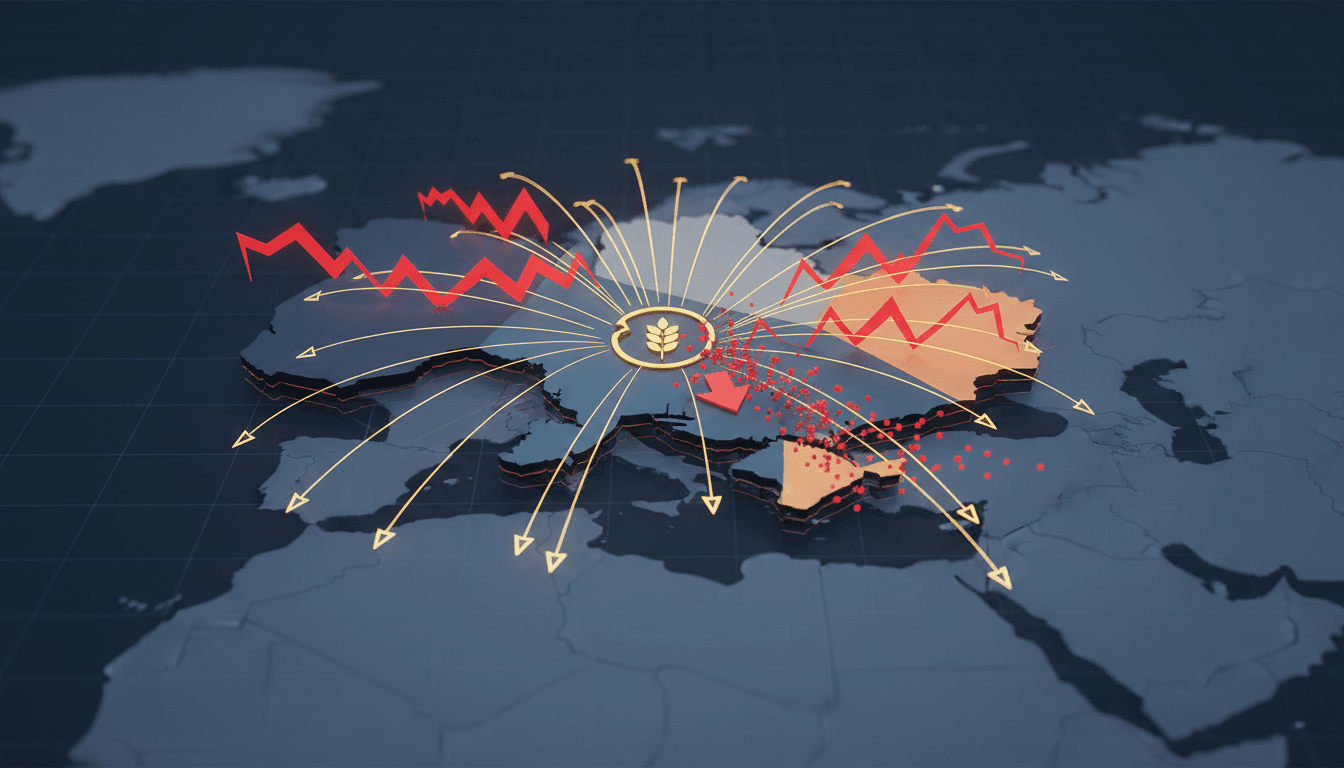
The recent escalation in military conflict between Russia and Ukraine in the Black Sea has significant implications for global markets, particularly in grain exports. As both nations target maritime capabilities, disruptions to trade routes could lead to increased prices and instability in food supply chains. Stakeholders in agriculture and international trade should closely monitor developments, as the situation may evolve rapidly. The ongoing hostilities also raise concerns about regional security and geopolitical tensions, which could affect diplomatic relations and policy decisions in Europe and beyond. Businesses operating in or reliant on the Black Sea region must prepare for potential volatility.
What happened
Recent military actions in the Black Sea have intensified, with Russia launching drone and missile strikes on Ukrainian infrastructure, including drone production sites and ports. In retaliation, Ukraine has successfully targeted Russian vessels, hitting around 20 ships, including oil tankers. These exchanges have resulted in significant casualties, with at least eight civilians reported killed in Ukraine due to Russian attacks.
The conflict has led to considerable damage to critical infrastructure, impacting both nations' maritime capabilities. As military engagements continue, the situation remains precarious, with both sides demonstrating a willingness to escalate their actions.
The Context
The ongoing conflict between Russia and Ukraine has deep roots, with both nations vying for control and influence in the Black Sea region. The recent military actions are a continuation of hostilities that have persisted for years, exacerbated by strategic military objectives from both sides. The targeting of maritime capabilities is particularly significant, as it directly affects global grain exports and trade routes.
Russia's restrictions on shipping routes in response to Ukrainian drone strikes further complicate the situation, creating potential ripple effects in international markets. The conflict's impact on civilian populations is also profound, with the UN reporting significant casualties due to long-range weapon attacks.
Takeaway
As military actions escalate, the Black Sea region is likely to see further instability, which could have lasting effects on both regional security and global markets. Stakeholders should watch for potential changes in Ukraine's political leadership, particularly following the recent dismissal of Prime Minister Yulia Svyrydenko.
Additionally, further developments in military engagements between Russia and Ukraine will be critical to monitor, as they may influence international trade dynamics and geopolitical relations in the coming months.
Oil, metals, and agriculture: supply/demand headlines, OPEC chatter, inventories, and price action.
"Solid tape for energy and metals traders tracking macro and micro catalysts."
— A47 Editor
Russia and Ukraine strike vessels in Black Sea, wheat prices jump
Recent military actions have escalated tensions in the Black Sea as Russian and Ukrainian forces have struck vessels, leading to a significant increase in wheat prices. This development highlights the ongoing conflict's impact on global markets, part...
English-language reporting on Saudi politics, policy, and society.
"Saudi Gazette reflects mainstream Saudi institutional perspectives."
— A47 Editor
Russian attacks kill eight as Ukraine hits Black Sea oil tankers
Russian attacks intensified in Ukraine, resulting in the deaths of eight individuals, including three in Odesa from a missile strike on a residential building. The ongoing assault, characterized by drone and missile strikes, has targeted civilian and...