
Trump Proposes No Fees for Passage Through Strait of Hormuz
Here's what it means for you.
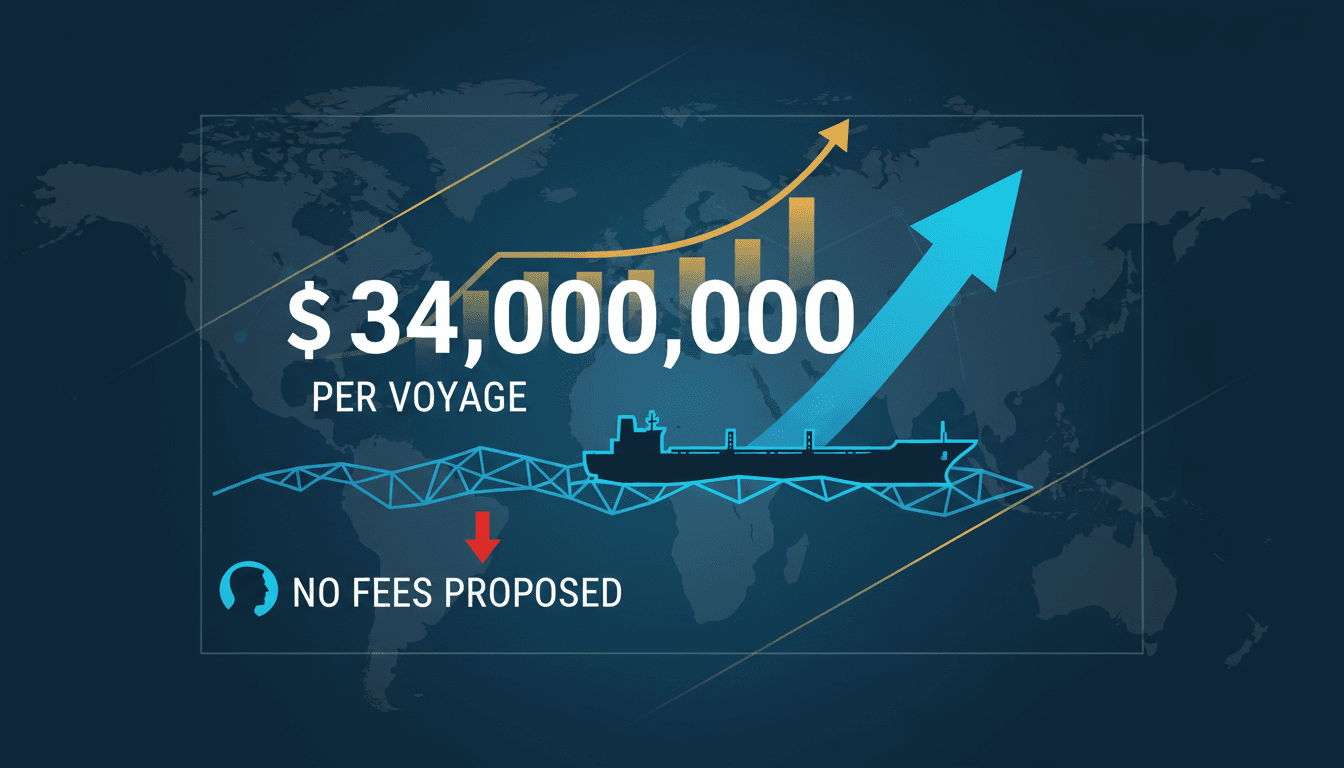
Former President Donald Trump's proposal to eliminate fees for passage through the Strait of Hormuz could have significant implications for global shipping and oil markets. Shipping agencies are concerned that implementing such fees could increase costs by an estimated $34 million per supertanker voyage, potentially affecting oil prices worldwide. The UN Shipping Agency's opposition to any fees highlights the importance of this maritime route in international trade. As discussions unfold, stakeholders in the oil and shipping industries will be closely monitoring the potential economic ramifications of this proposal. The outcome could lead to shifts in international shipping policies and alter the dynamics of the oil market.
What happened
Trump has announced that no fees should be charged for passage through the Strait of Hormuz, a crucial maritime route for global oil shipments. This statement has raised alarms among shipping agencies, who fear that the introduction of fees could significantly increase shipping costs. Estimates suggest that such fees could add an additional $34 million per supertanker voyage, which would have far-reaching economic implications.
The UN Shipping Agency has formally opposed any fees for passage through this strategic waterway, emphasizing the need for free navigation. Trump's stance has sparked a broader discussion about the economic impact on shipping routes and the potential consequences for global oil prices.
The Context
The Strait of Hormuz is a vital chokepoint for oil tankers, with a significant percentage of the world's oil supply transported through it. Trump's proposal comes at a time when shipping agencies are increasingly concerned about the economic impact of potential fees. The UN Shipping Agency's opposition underscores the strategic importance of this maritime route and the need for unimpeded access.
As the international community grapples with the implications of Trump's announcement, the debate over fees in the Strait of Hormuz could influence shipping policies and oil market dynamics. Stakeholders are keenly aware that any changes in this area could have lasting effects on global trade and energy prices.
Takeaway
The ongoing discussions surrounding Trump's proposal will be closely watched by oil-producing nations and shipping agencies alike. Reactions from these stakeholders will likely shape the future of shipping policies and economic strategies in the region. Furthermore, the UN Shipping Agency's response will be critical in determining the feasibility of implementing any fees.
As the situation develops, the potential for significant shifts in international shipping policies and oil market dynamics remains high. The outcome of this debate could redefine how global shipping operates in one of the world's most crucial maritime corridors.
Oil, metals, and agriculture: supply/demand headlines, OPEC chatter, inventories, and price action.
"Solid tape for energy and metals traders tracking macro and micro catalysts."
— A47 Editor
Trump says no one should be able to charge a fee for the Strait of Hormuz
President Donald Trump has stated that no fees should be charged for the Strait of Hormuz, a critical maritime route for global oil supplies. This statement comes after he rescinded a proposal to impose a 20% fee on cargo ships traversing the strait,...
UAE-based English-language newspaper covering regional politics, economics, and global affairs.
"The National reflects Emirati policy perspectives while maintaining international editorial standards."
— A47 Editor
Trump’s Strait of Hormuz toll could add $34m to every supertanker voyage
President Donald Trump announced a 20% toll on all cargo ships passing through the Strait of Hormuz, a crucial maritime route for global oil transportation. This decision is part of a strategy to exert pressure on Iran and enhance U.S. influence in t...
Regional and international reporting focused on Middle Eastern politics, diplomacy, and economics.
"Asharq Al-Awsat is a Saudi-owned international newspaper reflecting mainstream Gulf political perspectives."
— A47 Editor
UN Shipping Agency Opposes Fees for Any Strait, More Details Sought on Trump Post on Cargo Charge
The UN Shipping Agency has expressed opposition to any fees for passage through strategic maritime routes, particularly the Strait of Hormuz, following former President Donald Trump's controversial proposal for a 20% toll on cargo ships traversing th...