
Iran War
Developments in the ongoing conflict involving Iran, including military operations, regional implications, and international responses.
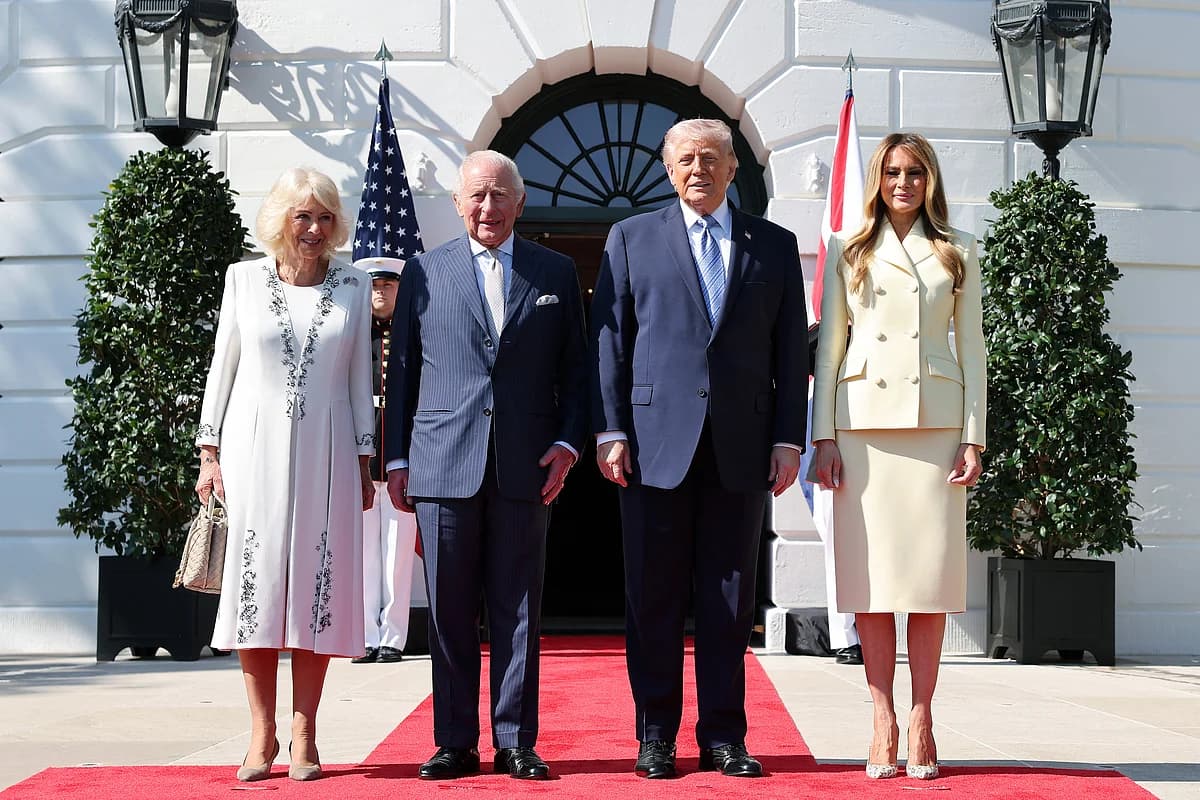
King Charles III's State Visit to the US Aims to Mend UK-US Relations Amid Iran War Tensions
King Charles III and Queen Camilla began a state visit to the United States on April 27, 2026, marking the first by a British monarch in two decades. This visit is a strategic effort to reinforce the historically strong UK-US relationship, which has been strained due to disagreements over the ongoing Iran war. The long-term implication is a potential recalibration of diplomatic ties and military cooperation between the UK and US as they navigate the complexities of the Iran conflict.
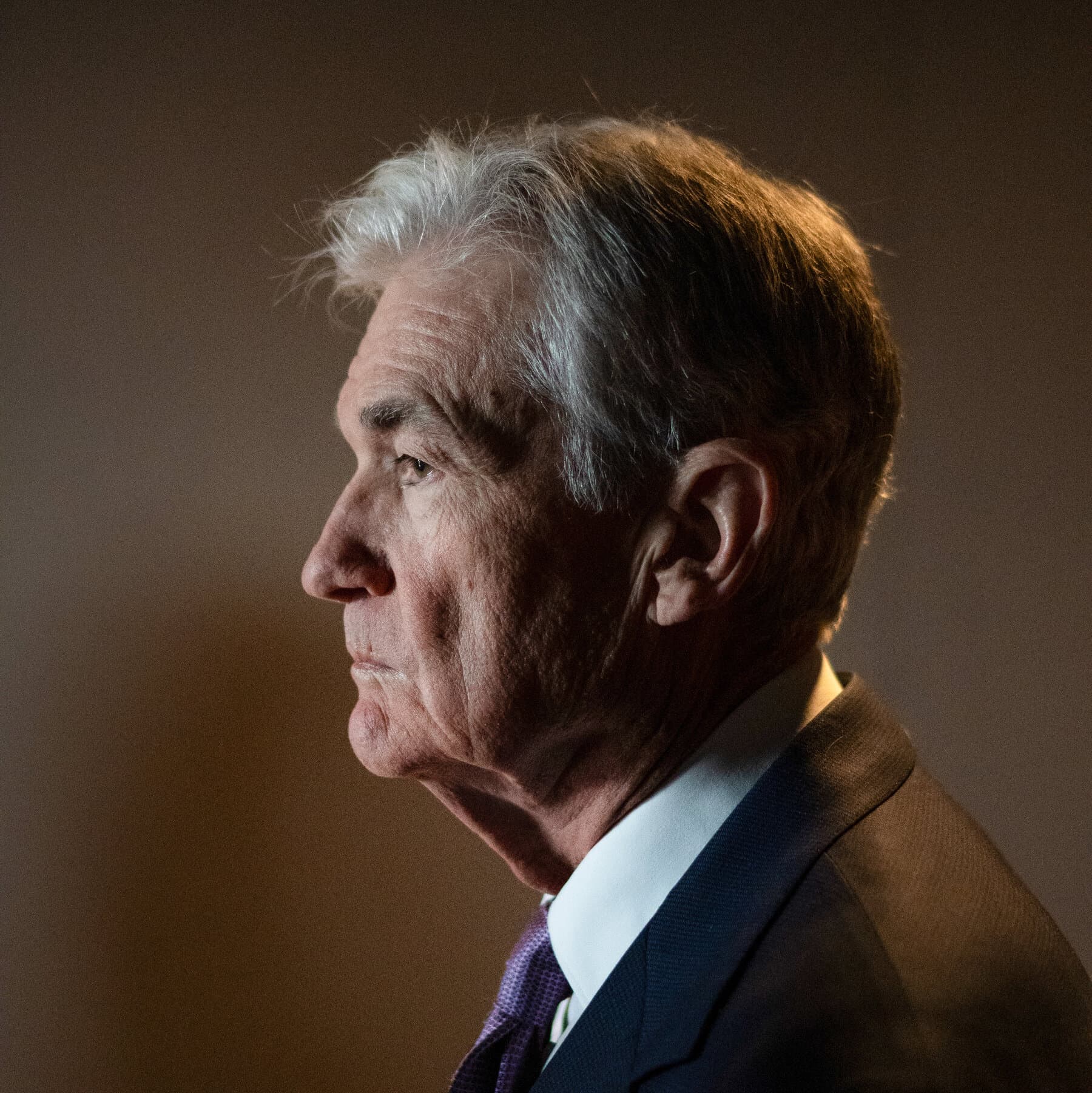
Federal Reserve Maintains Interest Rates Amid Inflation and Political Pressure
On April 29, 2026, the Federal Reserve held its federal funds rate steady at 3.5%–3.75% during Jerome Powell's final meeting as chair. This decision comes as inflation surges due to a 50% increase in oil prices linked to the ongoing U.S.-Iran war, conflicting with President Trump's calls for immediate rate cuts. The Fed's stance suggests a cautious approach to monetary policy, potentially leading to further scrutiny of Warsh's nomination and the Fed's independence in the future.
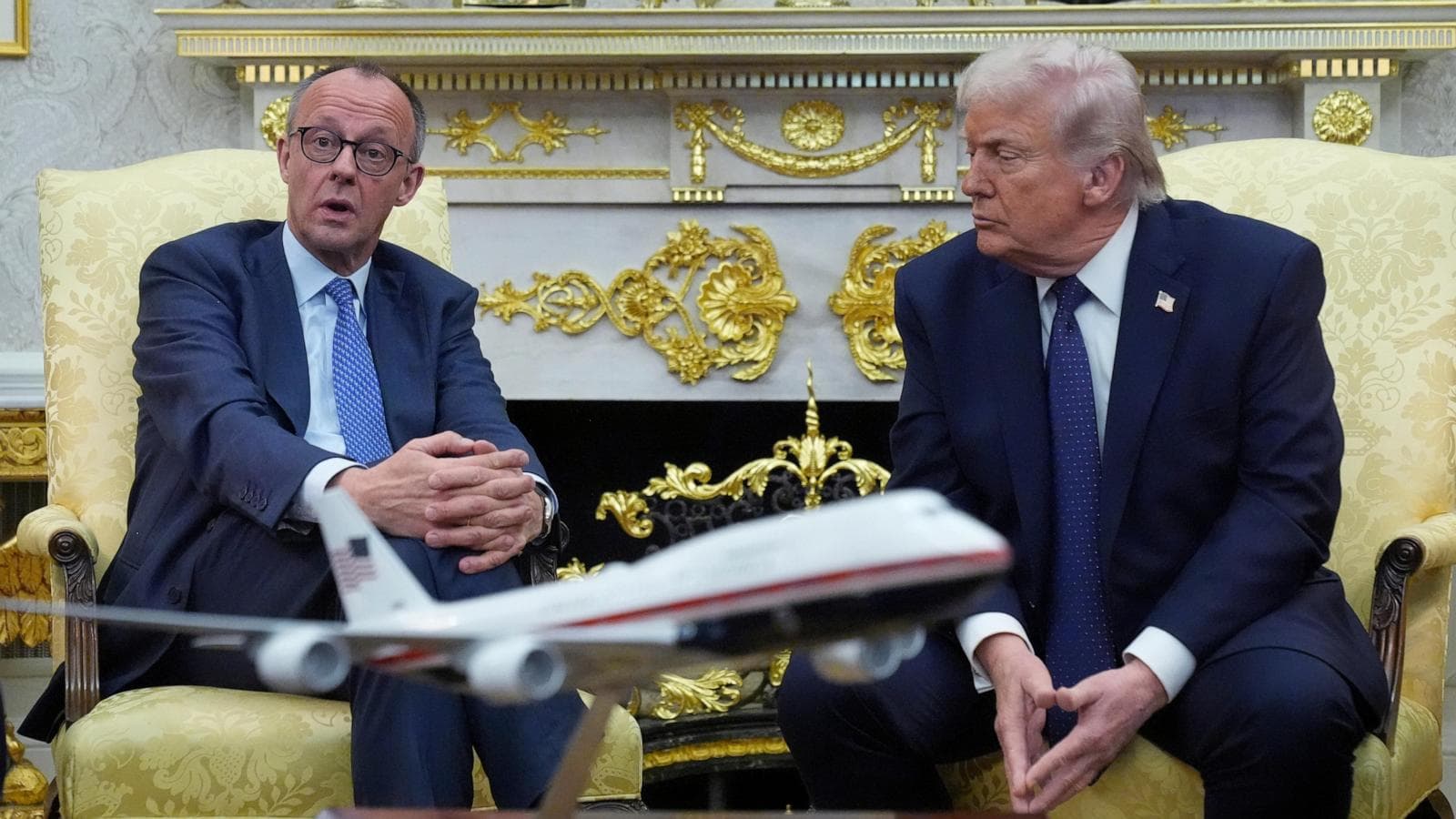
Trump Reviews U.S. Troop Presence in Germany Amid Iran Conflict Dispute with Chancellor Merz
On April 29, 2026, U.S. President Donald Trump announced a review of the troop presence in Germany, signaling potential reductions. This decision follows criticisms from German Chancellor Friedrich Merz regarding U.S. military strategy in the ongoing conflict with Iran, which has escalated tensions and disrupted global oil supplies. The long-term implication may involve a reevaluation of NATO commitments and U.S. military strategy in Europe amidst rising geopolitical tensions.
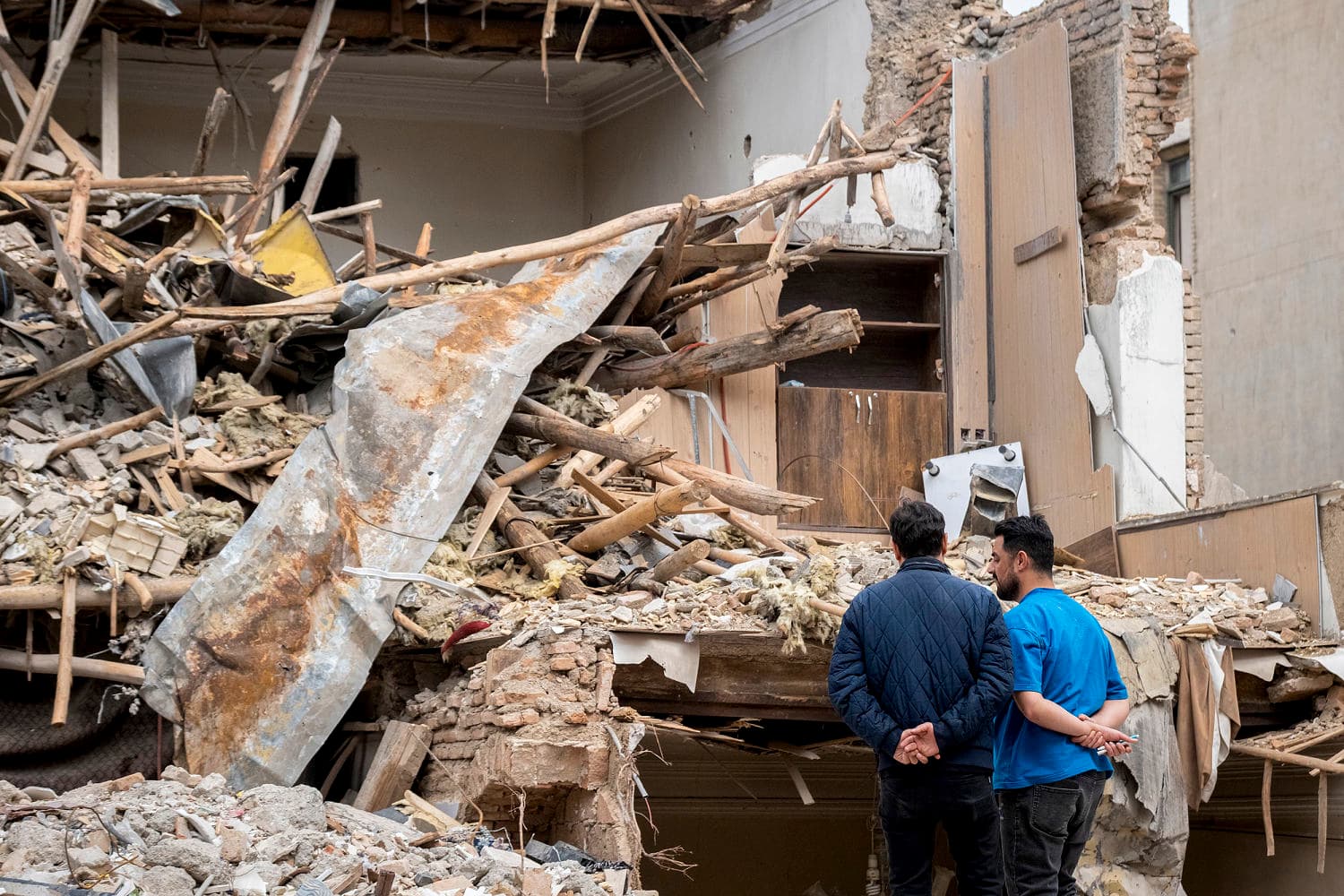
U.S. War Costs in Iran Reach $25 Billion Amid Congressional Scrutiny
On April 29, 2026, the Acting Pentagon Comptroller testified that the ongoing U.S. war against Iran has incurred approximately $25 billion in costs. This escalation follows U.S. and Israeli military actions initiated on February 28, 2026, leading to significant operational expenditures and heightened tensions in the region. The long-term implication includes potential congressional debates over supplemental funding and the future of U.S. military engagement in the Middle East.
More Stories
Brent Crude Oil Price Surges Beyond $125 per Barrel Amid Escalation Fears in US-Iran War
On April 30, 2026, Brent crude oil prices surged past $125 per barrel due to heightened investor concerns over stalled US-Iran peace talks and the ongoing war. The immediate trigger for this spike was the effective closure of the Strait of Hormuz, disrupting around 20 percent of global oil supplies. Long-term implications include potential military actions by the US to reopen the Strait and continued volatility in global oil markets, risking stagflation if disruptions persist.

Trump Issues Ultimatum to Iran Amid Military Standoff in Strait of Hormuz
On April 29, 2026, U.S. President Donald Trump warned Iran to 'get smart soon' regarding a non-nuclear deal as military options were reviewed amid a blockade of the Strait of Hormuz. This warning follows stalled negotiations and a two-month blockade that has disrupted global oil flows and elevated energy prices. The long-term implication may involve increased military engagement in the region and further destabilization of Iran's economy and political landscape.
Bank of England and ECB Maintain Interest Rates Amid Rising Fuel Prices and Stagflation Risks
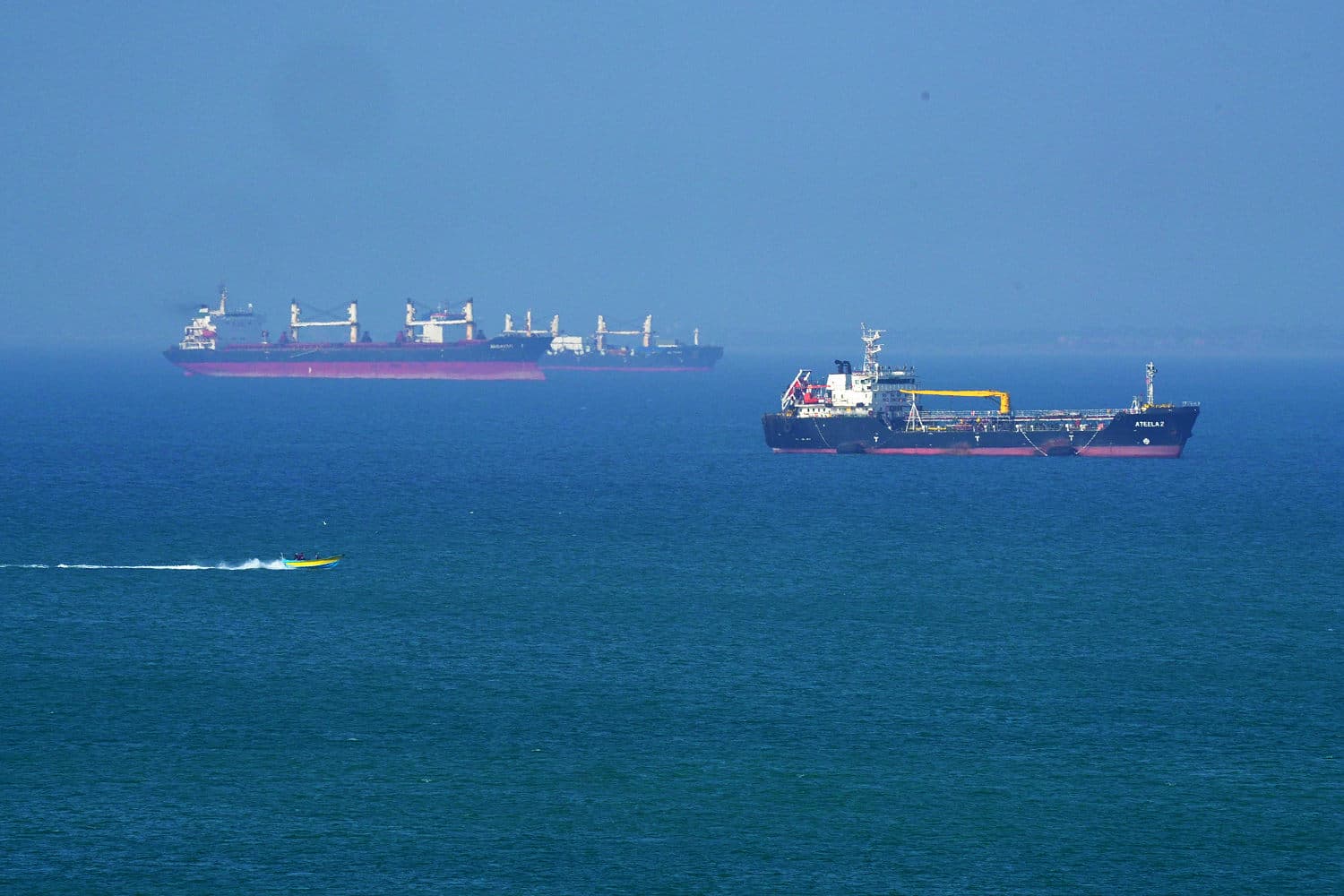
On April 30, 2026, the Bank of England and European Central Bank decided to hold benchmark interest rates steady as fuel prices surged due to the closure of the Strait of Hormuz. This closure, triggered by recent military actions involving the U.S. and Israel against Iran, has led to oil prices exceeding $100 per barrel, intensifying inflationary pressures. If the conflict continues, central banks may face increasing pressure to raise rates to combat inflation while managing recession risks in the UK and Eurozone.

Defense Secretary Hegseth Faces Congressional Scrutiny Over Iran War Costs and Strategy
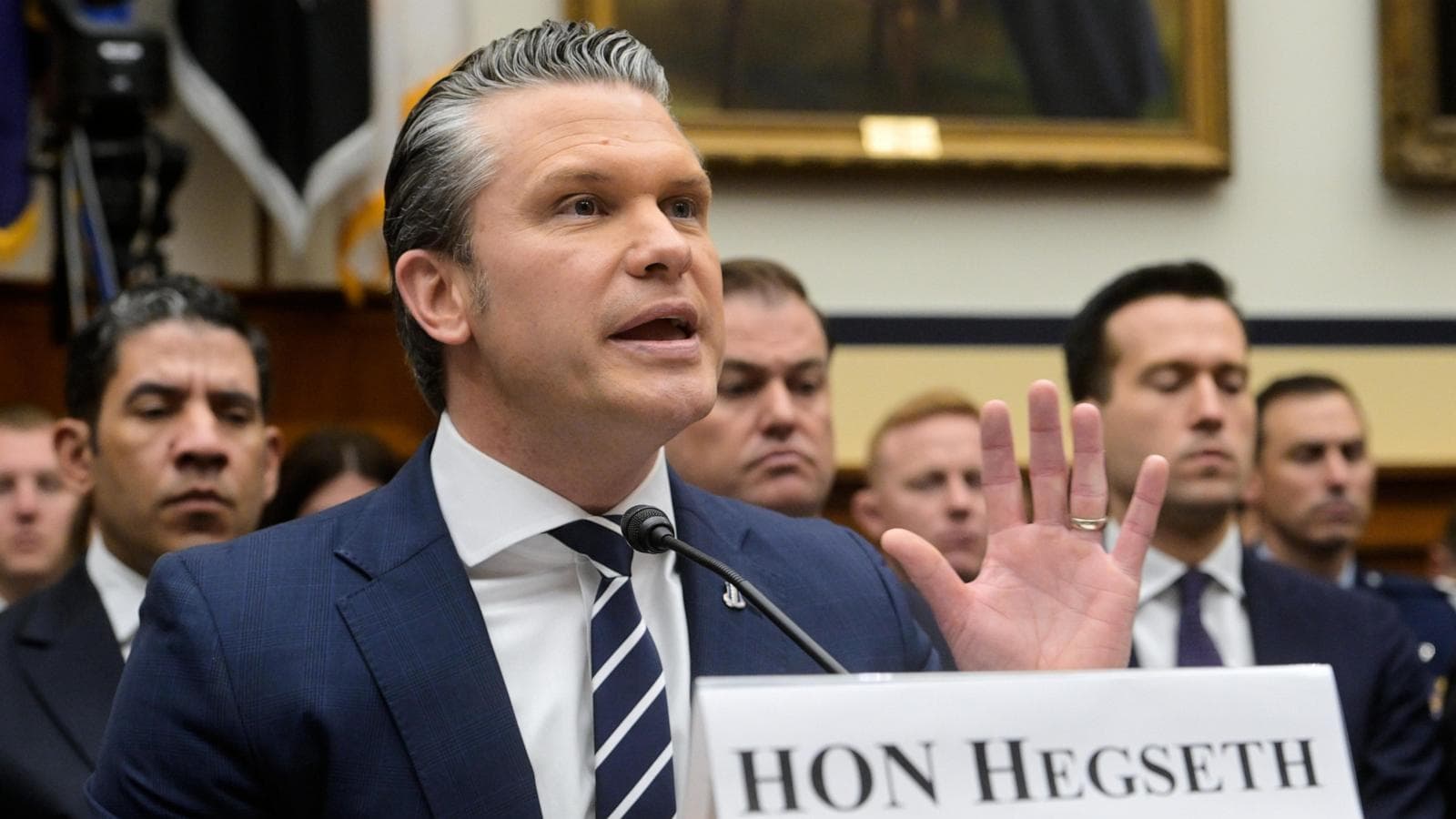
On April 29, 2026, Defense Secretary Pete Hegseth testified before Congress regarding the ongoing Iran conflict, revealing a $25 billion expenditure to date. The hearing was triggered by bipartisan concerns over the war's financial implications and the lack of congressional authorization for its initiation. This scrutiny may lead to intensified calls for legislative action on war powers and could impact the administration's defense strategy moving forward.
Latest Stories
UAE Ministry of Foreign Affairs Implements Travel Ban for Nationals to Iran, Lebanon, and Iraq
On April 30, 2026, the UAE Ministry of Foreign Affairs announced a travel ban for UAE nationals to Iran, Lebanon, and Iraq. This decision was triggered by escalating geopolitical tensions in the region, including Iranian responses to Israeli strikes and militia activities in Iraq. The long-term implication may involve increased regional instability and further travel restrictions as Gulf states prioritize citizen safety amid potential military escalations.
Bitcoin Price Drops to $75,000 After Federal Reserve Maintains Interest Rates in Divided Vote
Bitcoin's price fell to $75,000 on April 29, 2026, following the Federal Reserve's decision to keep interest rates steady at 3.5%-3.75% in an 8-4 vote. This decision, the most divided since 1992, was triggered by persistent inflation pressures exacerbated by high oil prices due to the ongoing Iran war and U.S. tariffs. The long-term implication is a potential continued decline in risk assets, including cryptocurrencies, as market participants adjust to a less favorable monetary policy environment.
FIFA Confirms Iran's Matches for 2026 World Cup in the US Amid Geopolitical Tensions
FIFA has confirmed that Iran's national football team will play all three of its group-stage matches for the 2026 World Cup in the United States. This decision comes in the wake of heightened US-Iran tensions following the assassination of Iran's Supreme Leader, prompting Iran to request a relocation of its matches to Mexico, which FIFA rejected. The long-term implication may involve increased scrutiny and security measures for Iranian players and officials during the tournament amidst ongoing geopolitical conflicts.
Defense Secretary Hegseth Faces Congressional Scrutiny Over Iran War Costs and Strategy
On April 29, 2026, Defense Secretary Pete Hegseth testified before Congress regarding the ongoing Iran conflict, revealing a $25 billion expenditure to date. The hearing was triggered by bipartisan concerns over the war's financial implications and the lack of congressional authorization for its initiation. This scrutiny may lead to intensified calls for legislative action on war powers and could impact the administration's defense strategy moving forward.