
Oil
Crude oil prices, OPEC decisions, energy markets, and petroleum industry news.
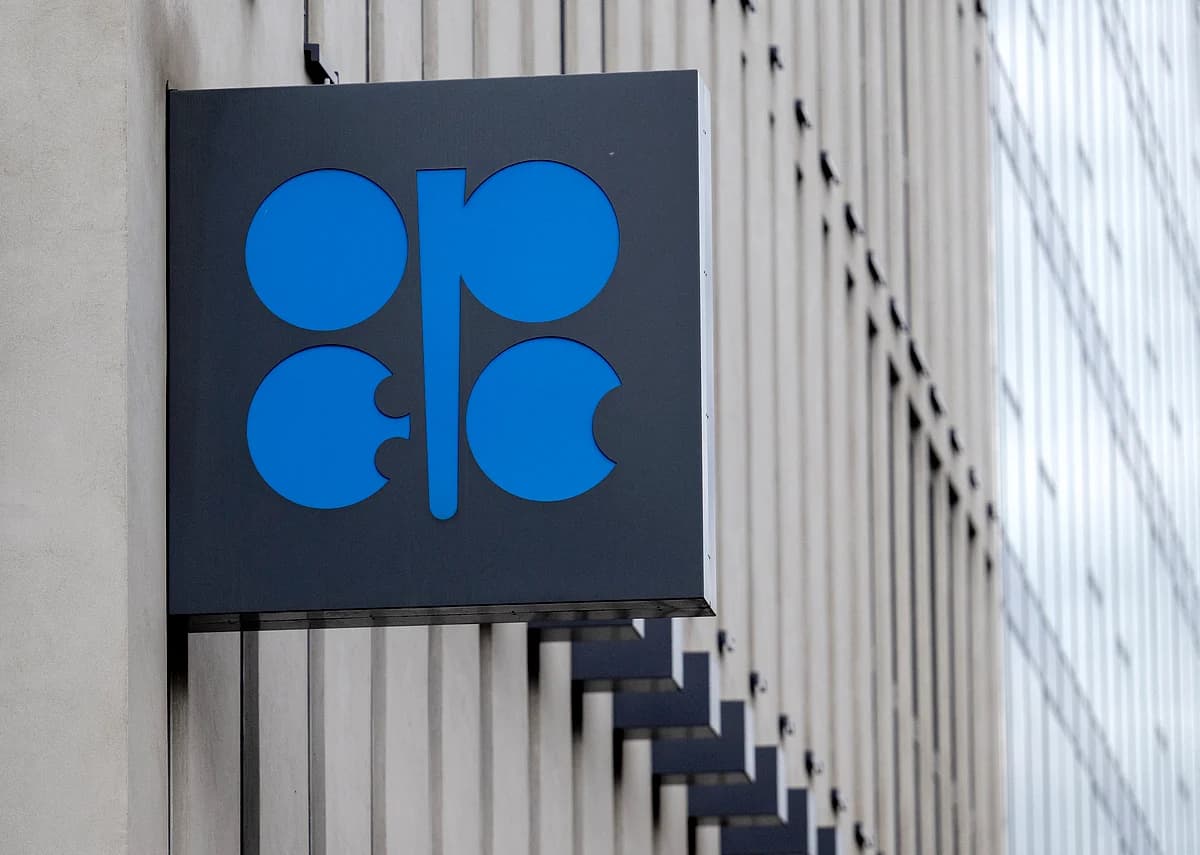
UAE Withdraws from OPEC and OPEC+ to Enhance Production Flexibility
The United Arab Emirates announced its withdrawal from OPEC and OPEC+ on April 28, 2026, effective May 1, 2026. This decision follows a comprehensive review of production policies aimed at increasing flexibility and aligning with national interests amid ongoing market dynamics. The long-term implication is a potential shift in global oil supply control, as the UAE plans to ramp up production independently while maintaining commitments to energy stability.
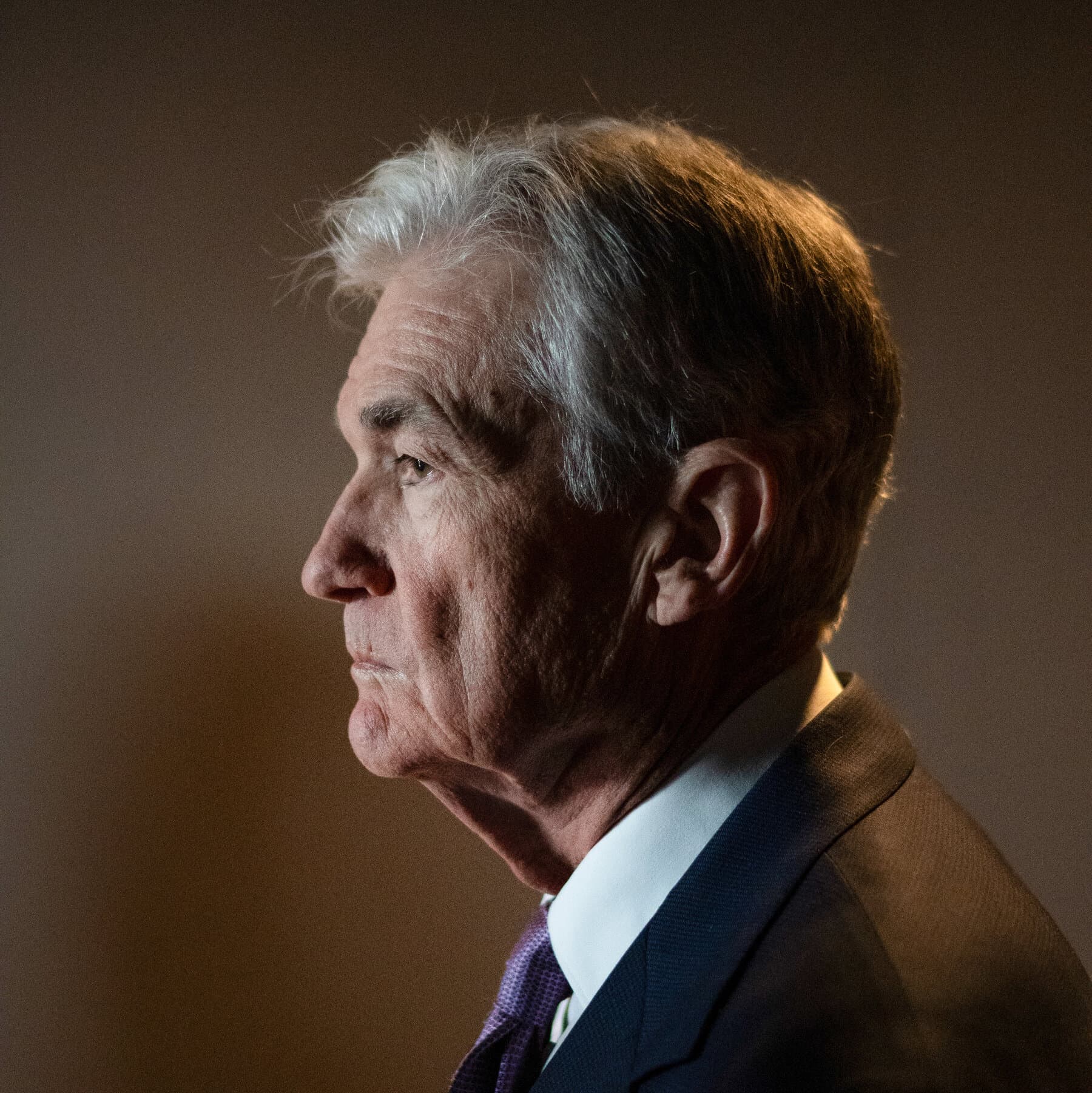
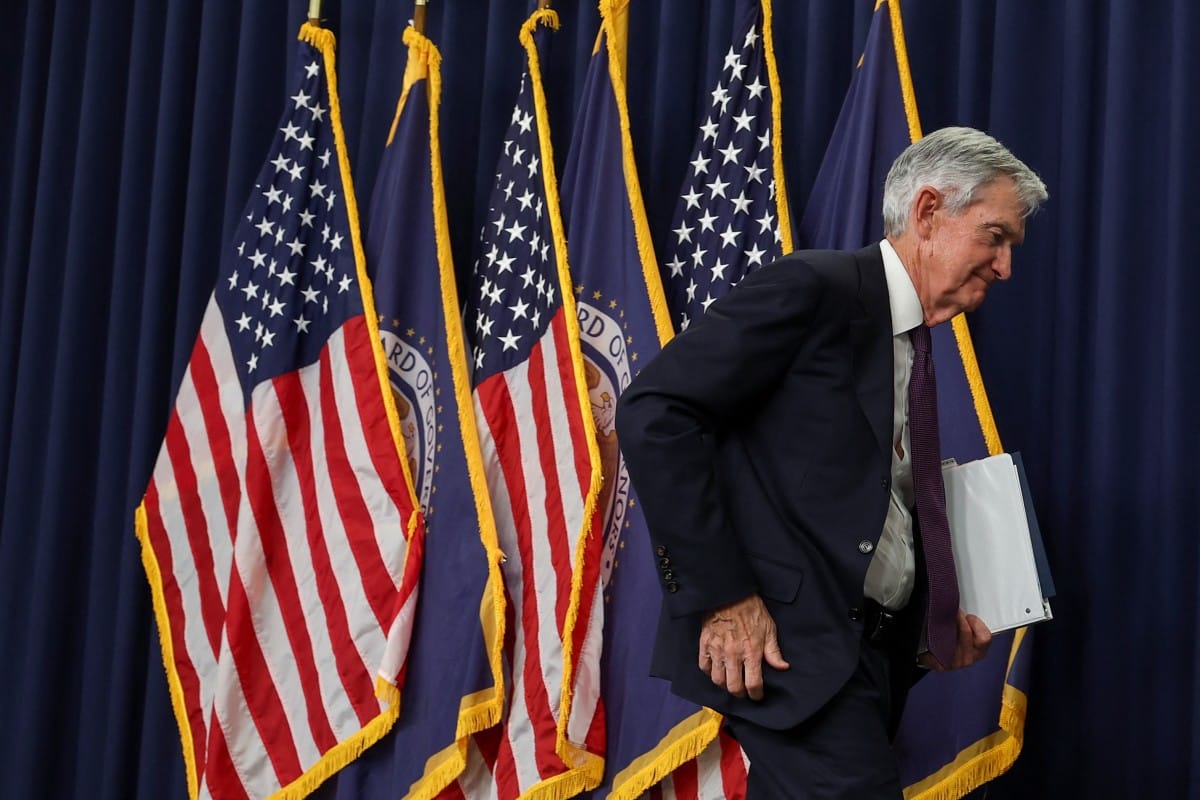
Federal Reserve Maintains Interest Rates Amid Inflation and Political Pressure
On April 29, 2026, the Federal Reserve held its federal funds rate steady at 3.5%–3.75% during Jerome Powell's final meeting as chair. This decision comes as inflation surges due to a 50% increase in oil prices linked to the ongoing U.S.-Iran war, conflicting with President Trump's calls for immediate rate cuts. The Fed's stance suggests a cautious approach to monetary policy, potentially leading to further scrutiny of Warsh's nomination and the Fed's independence in the future.

Brent Crude Oil Price Surges Beyond $125 per Barrel Amid Escalation Fears in US-Iran War
On April 30, 2026, Brent crude oil prices surged past $125 per barrel due to heightened investor concerns over stalled US-Iran peace talks and the ongoing war. The immediate trigger for this spike was the effective closure of the Strait of Hormuz, disrupting around 20 percent of global oil supplies. Long-term implications include potential military actions by the US to reopen the Strait and continued volatility in global oil markets, risking stagflation if disruptions persist.

Bank of England and ECB Maintain Interest Rates Amid Rising Fuel Prices and Stagflation Risks
On April 30, 2026, the Bank of England and European Central Bank decided to hold benchmark interest rates steady as fuel prices surged due to the closure of the Strait of Hormuz. This closure, triggered by recent military actions involving the U.S. and Israel against Iran, has led to oil prices exceeding $100 per barrel, intensifying inflationary pressures. If the conflict continues, central banks may face increasing pressure to raise rates to combat inflation while managing recession risks in the UK and Eurozone.
More Stories
Bitcoin Price Drops to $75,000 After Federal Reserve Maintains Interest Rates in Divided Vote
Bitcoin's price fell to $75,000 on April 29, 2026, following the Federal Reserve's decision to keep interest rates steady at 3.5%-3.75% in an 8-4 vote. This decision, the most divided since 1992, was triggered by persistent inflation pressures exacerbated by high oil prices due to the ongoing Iran war and U.S. tariffs. The long-term implication is a potential continued decline in risk assets, including cryptocurrencies, as market participants adjust to a less favorable monetary policy environment.

Brent Crude Oil Surges to $126 Amid US-Iran Naval Blockade Standoff
On April 30, 2026, Brent crude oil prices peaked at $126.41 per barrel due to a US naval blockade of Iranian ports amid ongoing conflict. This escalation is driven by the US's efforts to pressure Iran into abandoning its nuclear program, significantly disrupting oil shipping through the Strait of Hormuz. The long-term implication includes potential sustained inflation and economic slowdown as global oil supplies remain strained and geopolitical tensions persist.

Superyacht Nord linked to sanctioned Russian billionaire transits blocked Strait of Hormuz
The $500 million superyacht Nord, associated with sanctioned Russian oligarch Alexey Mordashov, successfully transited the Iranian-blockaded Strait of Hormuz on April 25-26, 2026. This event occurred amid heightened US-Iran tensions and a significant reduction in maritime traffic through the strait, which is critical for global oil supplies. The long-term implication may include increased scrutiny on maritime activities linked to sanctioned individuals and potential shifts in regional alliances as Russia and Iran deepen their cooperation.

Federal Reserve Maintains Interest Rates Amid Inflation Concerns Linked to Iran Conflict
The Federal Open Market Committee decided to keep the federal funds rate unchanged at 3.50 to 3.75 percent during its meeting on April 29, 2026. This decision comes as inflation remains elevated due to energy price surges resulting from the ongoing US-Israeli war against Iran. In the long term, this may lead to increased scrutiny of monetary policy and potential shifts in leadership at the Federal Reserve as the economic landscape evolves.
Latest Stories
Trump Approves Bridger Pipeline Expansion for Canadian Crude Oil Transport
President Donald Trump has signed an order authorizing the Bridger Pipeline Expansion, which will transport Canadian crude oil from the U.S.-Canada border to Wyoming. This decision comes amid ongoing U.S.-Canada energy cooperation and aims to enhance crude oil transportation capabilities. The long-term implications include potential economic benefits and increased scrutiny from environmental groups and local communities regarding the project's impact.
Bitcoin Price Drops to $75,000 After Federal Reserve Maintains Interest Rates in Divided Vote
Bitcoin's price fell to $75,000 on April 29, 2026, following the Federal Reserve's decision to keep interest rates steady at 3.5%-3.75% in an 8-4 vote. This decision, the most divided since 1992, was triggered by persistent inflation pressures exacerbated by high oil prices due to the ongoing Iran war and U.S. tariffs. The long-term implication is a potential continued decline in risk assets, including cryptocurrencies, as market participants adjust to a less favorable monetary policy environment.
US inflation rises to 3.5% amid Iran war impact on gas prices
Inflation in the United States surged to 3.5% in March 2026, driven primarily by rising gas prices amid the ongoing war in Iran. This spike in inflation has complicated the Federal Reserve's plans for interest rate cuts, as higher energy costs continue to impact the economy. The ongoing conflict in Iran is likely to continue affecting U.S. inflation and monetary policy decisions.
Brent Crude Oil Price Surges Beyond $125 per Barrel Amid Escalation Fears in US-Iran War
On April 30, 2026, Brent crude oil prices surged past $125 per barrel due to heightened investor concerns over stalled US-Iran peace talks and the ongoing war. The immediate trigger for this spike was the effective closure of the Strait of Hormuz, disrupting around 20 percent of global oil supplies. Long-term implications include potential military actions by the US to reopen the Strait and continued volatility in global oil markets, risking stagflation if disruptions persist.