
Shell warns of flat global LNG supply in 2026 due to Strait of Hormuz disruptions
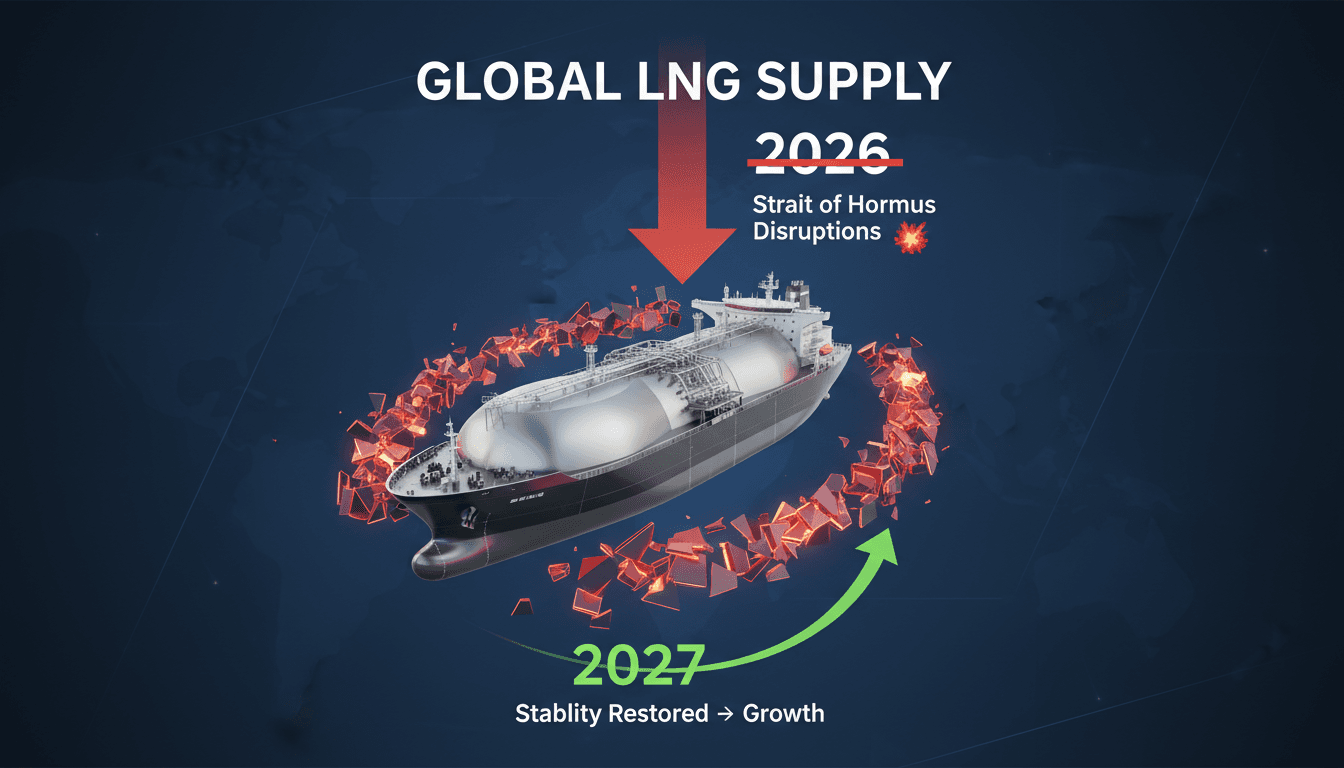
Here's what it means for you.
The stagnation of global liquefied natural gas (LNG) supply in 2026 poses significant implications for energy markets and policy frameworks. Stakeholders must prepare for potential volatility in LNG prices and supply chains, particularly as geopolitical tensions in the Middle East continue to escalate. The situation underscores the critical importance of stability in key transit routes like the Strait of Hormuz for global energy security. As Shell anticipates a return to growth in LNG supply by 2027, market participants should closely monitor developments in the region. The outcome of ongoing conflicts will play a pivotal role in shaping future energy strategies and investments.
What happened
Shell has issued a forecast indicating that global LNG supply will remain flat in 2026, primarily due to ongoing disruptions in the Strait of Hormuz. This forecast marks a significant shift after over a decade of consistent growth in LNG supply. The disruptions are attributed to escalating conflicts in the Middle East, particularly involving Iran, which are directly impacting LNG trade.
The company expects that if stability is restored in the region, LNG supply growth could resume by 2027. This outlook reflects the vulnerability of global LNG supply chains to geopolitical tensions, highlighting the interconnectedness of energy markets and regional stability.
The Context
The Strait of Hormuz is a critical chokepoint for global oil and gas supplies, making it a focal point for energy security concerns. Shell's warning comes after years of robust growth in LNG supply, emphasizing the potential for significant market shifts due to geopolitical factors. The ongoing conflict in the Middle East has created an environment of uncertainty that directly affects LNG trade routes.
As stakeholders assess the implications of this forecast, the focus will be on how geopolitical developments will influence energy policies and market dynamics. The situation serves as a reminder of the delicate balance between energy supply and regional stability, with far-reaching consequences for global energy markets.
Takeaway
Looking ahead, the future of global LNG supply will heavily depend on the resolution of geopolitical tensions in the Middle East. Market participants should closely monitor developments in the Strait of Hormuz, as any escalation could further impact LNG trade and pricing. Shell's quarterly reports will be crucial for updates on LNG supply forecasts and market conditions.
The cautious optimism for recovery in LNG supply by 2027 hinges on the restoration of stability in the region. Stakeholders must remain vigilant and adaptable to navigate the challenges posed by ongoing conflicts and their implications for global energy security.
Pan-Arab news coverage spanning politics, business, sports, and regional affairs.
"Asharq Al-Awsat reflects a broad Arab editorial perspective with strong attention to regional geopolitics."
— A47 Editor
«شل»: اضطرابات «هرمز» تعرقل تجارة الغاز الطبيعي المسال… واستئناف النمو في 2027
Shell reported that shipping disruptions in the Strait of Hormuz, attributed to the ongoing conflict in Iran, are expected to slow down global liquefied natural gas (LNG) trade this year. The company highlighted the potential impact of these disturba...
Markets desk coverage, trading insights, and investor updates.
"WSJ’s markets reporting provides in-depth analysis and context for investors."
— A47 Editor
Shell Warns Global LNG Supply Could Contract if Strait of Hormuz Disruption Continues
Shell has issued a warning that ongoing disruptions in the Strait of Hormuz could lead to a rare contraction in global liquefied natural gas (LNG) supply by the end of the year. The company anticipates a return to growth in LNG supply by 2027, contin...
Global markets, investing, and macroeconomics from a premier financial newsroom.
"Bloomberg is respected for in-depth financial reporting and data-driven analysis."
— A47 Editor
Shell Sees LNG Trade Flat in 2026 as Hormuz Chokes Supply
Shell Plc has projected that global liquefied natural gas (LNG) supply will remain flat in 2026, marking a significant shift after over a decade of growth, primarily due to supply disruptions caused by ongoing conflicts in the Middle East, particular...