
UK Introduces New Fees for AI Data Center Developers to Manage Electricity Demand
Here's what it means for you.
The UK energy regulator's introduction of new fees for AI data center developers signals a significant shift in the landscape of energy management and infrastructure. As demand for electricity from these facilities surges, the financial implications for developers could reshape investment strategies and project timelines. This move aims to alleviate grid congestion while ensuring that energy supply can keep pace with growing technological needs. The proposed fees may lead to a slowdown in the establishment of new data centers, prompting developers to reassess their financial viability in the UK market. As the energy landscape evolves, stakeholders must adapt to these regulatory changes to maintain operational efficiency.
What happened
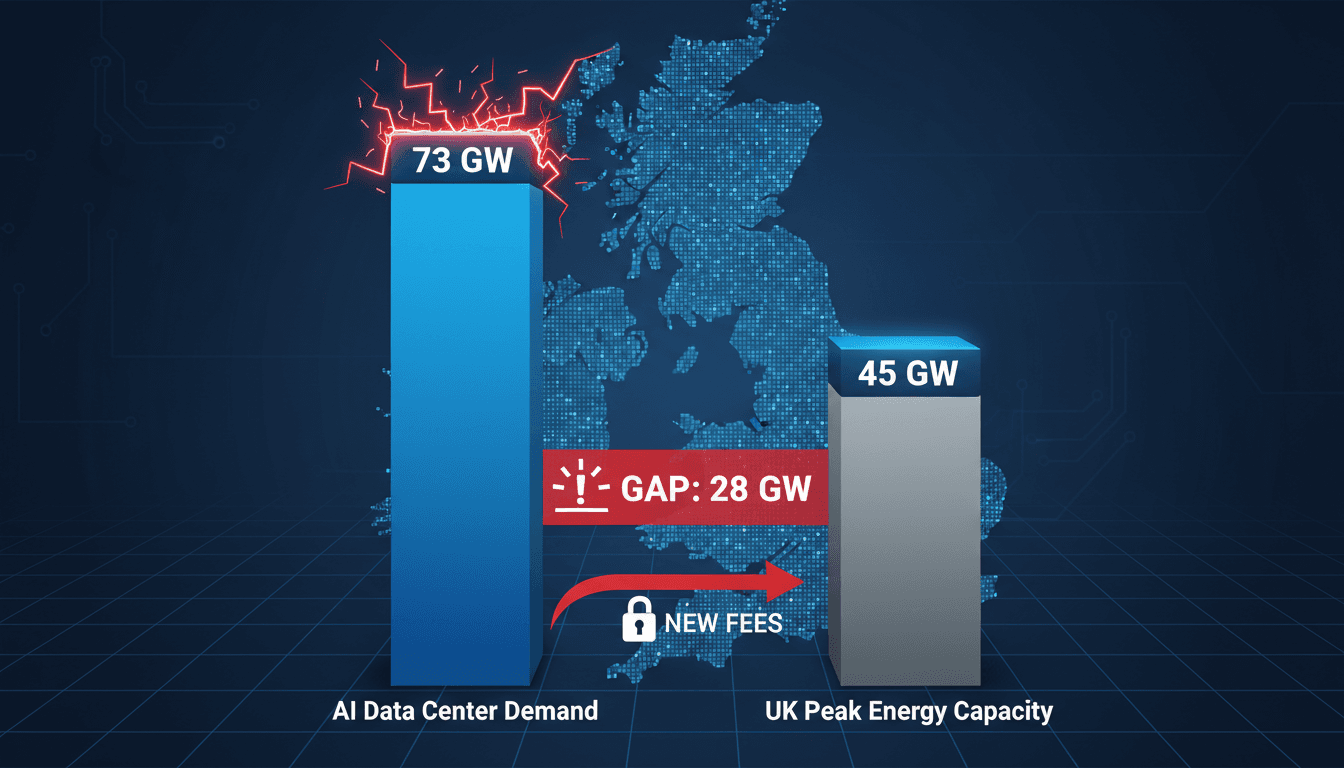
The UK energy regulator, Ofgem, has proposed new fees for data center projects to secure energy connections amid rising electricity demand. This initiative comes in response to a significant backlog of 315 data centers awaiting connection, which collectively represent a staggering demand of 73GW. This demand far exceeds the UK's peak energy capacity of 45GW, highlighting a critical imbalance in energy supply and demand.
The proposed fees range from £237,500 to £712,500 per megawatt for new projects, reflecting the urgency of managing grid access. By implementing these fees, Ofgem aims to address the ongoing electricity grid congestion caused by the rapid growth of data centers.
The Context
The current situation underscores the challenges faced by the UK in balancing the rapid expansion of AI data centers with its energy supply capabilities. With 315 data centers queued for connection, the energy regulator is stepping in to impose fees that could reshape the development landscape. The backlog of projects indicates a pressing need for enhanced energy infrastructure, which can take up to a decade to build, while data centers can become operational within a year.
Ofgem's proposals also include requiring financial security through letters of credit, bonds, or cash deposits from developers. This regulatory approach aims to ensure that energy connections are managed effectively, addressing both immediate and long-term energy demands.
Takeaway
The introduction of these fees may slow the growth of new data centers in the UK as developers assess the financial implications of the new regulations. Stakeholders should monitor how these fees impact the pace of new developments and whether they lead to potential regulatory changes in response to ongoing energy demands.
As the demand for AI data centers continues to rise, the UK will need to find innovative solutions to expand its energy infrastructure while managing environmental concerns and ensuring a reliable power supply. The evolving landscape will require careful navigation by developers and regulators alike.
Independent journalism covering technology, AI, and digital culture.
"An independent newsroom by veteran tech reporters known for critical, investigative coverage of AI and tech power."
— A47 Editor
Data Centers Are Easy to Build. Powering Them Is Complicated, Slow, and Expensive
A new AI data center can be operational within a year, but the development of the necessary energy infrastructure to support it may take up to a decade. This disparity highlights the complexities involved in powering modern data centers, which are cr...
Corporate news, economic trends, and markets with UK and global scope.
"BBC News is widely regarded as reputable and impartial, with a public service mandate."
— A47 Editor
Data centres could pay hundreds of millions in deposits for power demands
The regulator has proposed that data centres will be required to pay a fee ranging from £237,500 to £712,500 per megawatt for upcoming projects, reflecting the increasing demand for power in the sector. This fee structure aims to manage the growing e...
News and features on AI from The Guardian.
"Progressive-leaning international outlet with critical AI coverage."
— A47 Editor
Datacentre projects face fees for grid access to ease connection queue, Ofgem says
Ofgem has announced that datacentre projects in Britain will be required to pay substantial upfront fees or provide financial security to access the power grid, a move aimed at alleviating the growing backlog in grid connections affecting essential s...
UK and international business news, economics, and corporate coverage.
"The Guardian’s business section covers finance and markets with a progressive editorial tone."
— A47 Editor
Datacentre projects face fees for grid access to ease connection queue, Ofgem says
Ofgem has announced that datacentre projects in Britain will be required to pay substantial upfront fees or provide financial security to access the power grid, a move aimed at alleviating the growing backlog in grid connections affecting essential s...
Tech culture, product news, and critical takes on the tech industry's social impact.
"The Guardian's tech coverage blends mainstream news, critical analysis, and cultural commentary on emerging technologies and digital trends."
— A47 Editor
Datacentre projects face fees for grid access to ease connection queue, Ofgem says
Ofgem has announced that datacentre projects in Britain will be required to pay substantial upfront fees or provide financial security to access the power grid, a move aimed at alleviating the growing backlog in grid connections affecting essential s...
International coverage from The Guardian's global desks.
"The Guardian is known for its progressive editorial stance and in-depth analysis."
— A47 Editor
Datacentre projects could face fees for grid access to ease connection queue, Ofgem says
Ofgem has proposed that datacentre projects in Britain will need to pay significant upfront fees to secure energy connections, aiming to alleviate a backlog of 315 projects waiting for grid access, which represents a demand of 73GW, far exceeding the...