
FDA Personnel Changes Boost Rare-Disease Biotech Investor Confidence
Why it matters
The renewed investor interest in rare-disease biotech reflects a significant regulatory shift that could reshape the pharmaceutical landscape.
What happened (in 30 seconds)
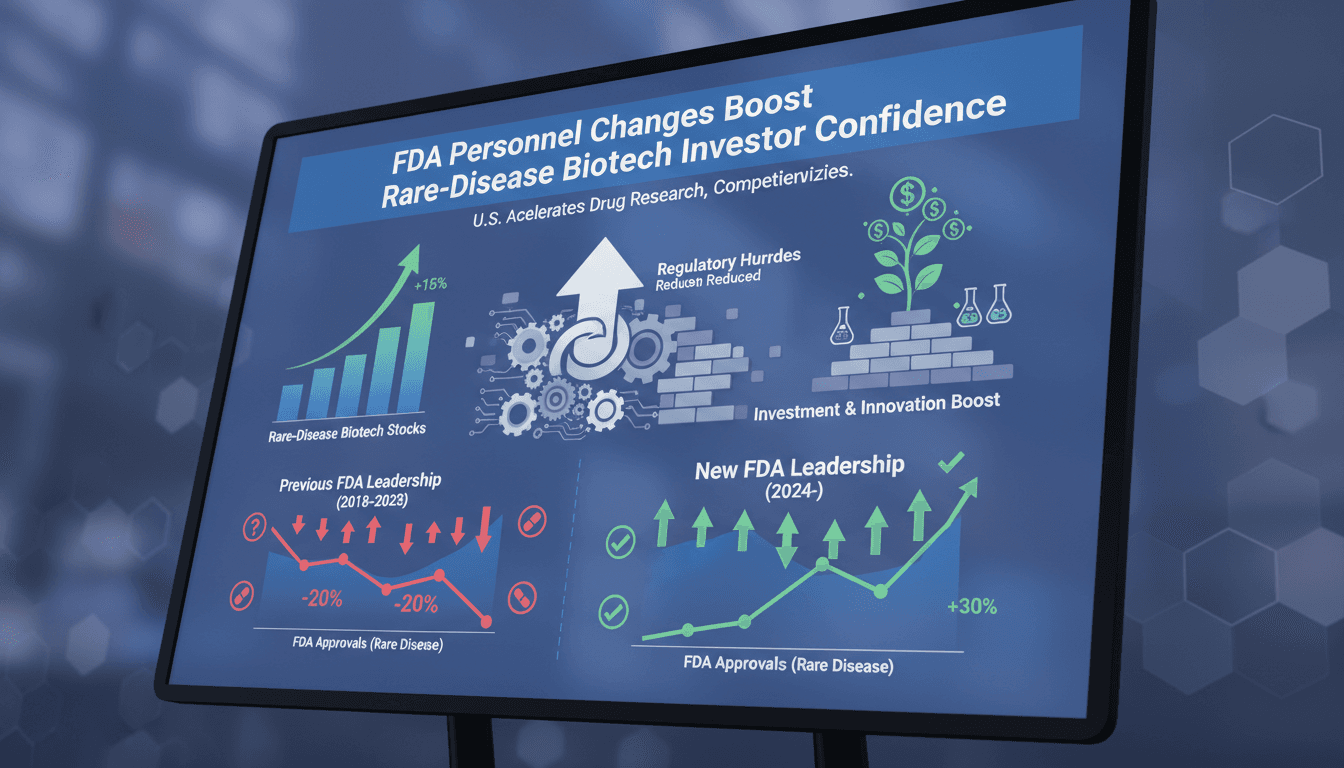
- Rare-disease biotech stocks rebounded in 2026 after the departure of FDA officials who were skeptical of limited-evidence drug approvals.
- Investor appetite returned as the regulatory environment became more favorable for companies developing treatments for small patient populations.
- Broader U.S. initiatives like Operation TrialBlazer aim to accelerate domestic drug research and enhance competitiveness against overseas regulators.
The context you actually need
- Early skepticism from the FDA during the second Trump administration led to declines in rare-disease biotech stock prices due to heightened regulatory scrutiny.
- The removal of hard-liners from the FDA has restored confidence among investors, allowing capital to flow back into the sector.
- The U.S. is pushing for faster drug approvals to retain its competitive edge in the global biotech market, particularly against countries like China.
What's really happening
The recent changes in the FDA's personnel and policy direction have created a more favorable environment for rare-disease biotech companies, which often face unique challenges due to the small patient populations they serve. Under the previous administration, FDA officials expressed skepticism towards drug approvals based on limited clinical trial data, particularly for treatments lacking placebo controls. This cautious approach led to a significant decline in stock prices for many companies in the rare-disease sector, as investors grew wary of the regulatory hurdles that could impede their growth.
With the departure of these hard-liners, the FDA has signaled a willingness to consider alternative evidence and expedite the approval process for drugs targeting rare diseases. This shift is not just a reaction to internal pressures but also aligns with broader U.S. initiatives aimed at enhancing the domestic drug development landscape. The introduction of programs like Operation TrialBlazer is designed to streamline clinical trials and encourage innovation within the U.S., ensuring that the country remains a leader in biotech research.
Investors are responding positively to these developments, as the potential for quicker approvals translates into faster market entry for new treatments. This renewed interest is particularly crucial for companies that have been developing therapies for conditions with limited treatment options, where the patient population is often too small to justify extensive clinical trials. The market's recovery indicates a growing belief that the FDA will adopt a more flexible approach, allowing for the use of real-world evidence and smaller trial sizes in the approval process.
Moreover, this regulatory shift is likely to attract more venture capital and private equity investment into the rare-disease biotech sector, as investors seek to capitalize on the potential for high returns in a market that has historically been underserved. As the FDA continues to evolve its stance, the implications for drugmakers and investors alike could be profound, potentially leading to a surge in innovation and the introduction of new therapies that address unmet medical needs.
Who feels it first (and how)
- Biotech investors: Renewed interest and potential for higher returns on investments.
- Rare-disease drugmakers: Improved chances for drug approvals and market entry.
- Patients with rare diseases: Increased access to innovative treatments as regulatory barriers lower.
What to watch next
- FDA approval rates: Monitoring the speed and volume of approvals for rare-disease drugs will indicate the effectiveness of the new regulatory environment.
- Investment trends in biotech: A surge in venture capital funding could signal confidence in the sector's growth potential.
- Clinical trial outcomes: Success rates of ongoing trials will provide insights into the viability of new treatments and the overall health of the market.
The departure of FDA hard-liners has positively impacted investor sentiment in the rare-disease biotech sector.
Increased investment and innovation in rare-disease treatments as regulatory barriers decrease.
The long-term sustainability of this regulatory shift and its impact on drug pricing and accessibility.
Frequently Asked Questions
- Why it matters?
- The renewed investor interest in rare-disease biotech reflects a significant regulatory shift that could reshape the pharmaceutical landscape.
- What happened (in 30 seconds)?
- Rare-disease biotech stocks rebounded in 2026 after the departure of FDA officials who were skeptical of limited-evidence drug approvals. Investor appetite returned as the regulatory environment became more favorable for companies developing treatments for small patient populations. Broader U.S. initiatives like Operation TrialBlazer aim to accelerate domestic drug research and enhance competitiveness against overseas regulators.
- What's really happening?
- The recent changes in the FDA's personnel and policy direction have created a more favorable environment for rare-disease biotech companies, which often face unique challenges due to the small patient populations they serve. Under the previous administration, FDA officials expressed skepticism towards drug approvals based on limited clinical trial data, particularly for treatments lacking placebo controls. This cautious approach led to a significant decline in stock prices for many companies in
- Who feels it first (and how)?
- Biotech investors: Renewed interest and potential for higher returns on investments. Rare-disease drugmakers: Improved chances for drug approvals and market entry. Patients with rare diseases: Increased access to innovative treatments as regulatory barriers lower.
- What to watch next?
- FDA approval rates: Monitoring the speed and volume of approvals for rare-disease drugs will indicate the effectiveness of the new regulatory environment. Investment trends in biotech: A surge in venture capital funding could signal confidence in the sector's growth potential. Clinical trial outcomes: Success rates of ongoing trials will provide insights into the viability of new treatments and the overall health of the market.
Public health, medical research, healthcare policy, and pharmaceutical developments.
"Dow Jones is a major financial news provider with a professional tone and broad coverage, including specialized health-sector reporting."
— A47 Editor
Heard on the Street: With the Food and Drug Administration’s hard-liners gone, investors are rushing back into rare-disease bets
With the departure of hard-liners from the Food and Drug Administration (FDA), investors are increasingly returning to the rare-disease sector, signaling a renewed confidence in the potential for innovative treatments. This shift comes as the FDA has...
Markets desk coverage, trading insights, and investor updates.
"WSJ’s markets reporting provides in-depth analysis and context for investors."
— A47 Editor
Trump Administration Shift Puts This Corner of Biotech Back in Favor
The Trump Administration's recent shift has led to the departure of hard-liners from the Food and Drug Administration, prompting a renewed interest from investors in the rare-disease biotech sector. This change is seen as a positive development for t...
Tech business coverage, major deals, product launches, and Silicon Valley trends.
"WSJ’s tech section offers authoritative reporting on the intersection of technology and business, including exclusive industry analysis."
— A47 Editor
Trump Administration Shift Puts This Corner of Biotech Back in Favor
The recent shift in the Trump Administration has led to the departure of hard-liners from the Food and Drug Administration, prompting a renewed interest from investors in the rare-disease biotech sector. This change is seen as a positive development ...