
UAE plans to eliminate reliance on Strait of Hormuz for energy exports
Here's what it means for you.
The UAE's initiative to eliminate its dependency on the Strait of Hormuz for energy exports marks a significant shift in regional energy logistics. This move is likely to enhance the UAE's economic resilience by diversifying its transportation routes, reducing vulnerability to geopolitical tensions. For businesses and investors, this could mean new opportunities in energy infrastructure and logistics. As the UAE expands its major ports, stakeholders should monitor how these developments influence energy markets and regional dynamics. The implications of this strategy could reshape energy export patterns across the Gulf.
What happened
The UAE has announced plans to completely eliminate its reliance on the Strait of Hormuz for energy exports. This decision comes in response to recent disruptions in the region, particularly due to the ongoing war in Iran. UAE officials have emphasized the need for diversification in energy export routes, declaring that the era of depending on a single strait and port is over.
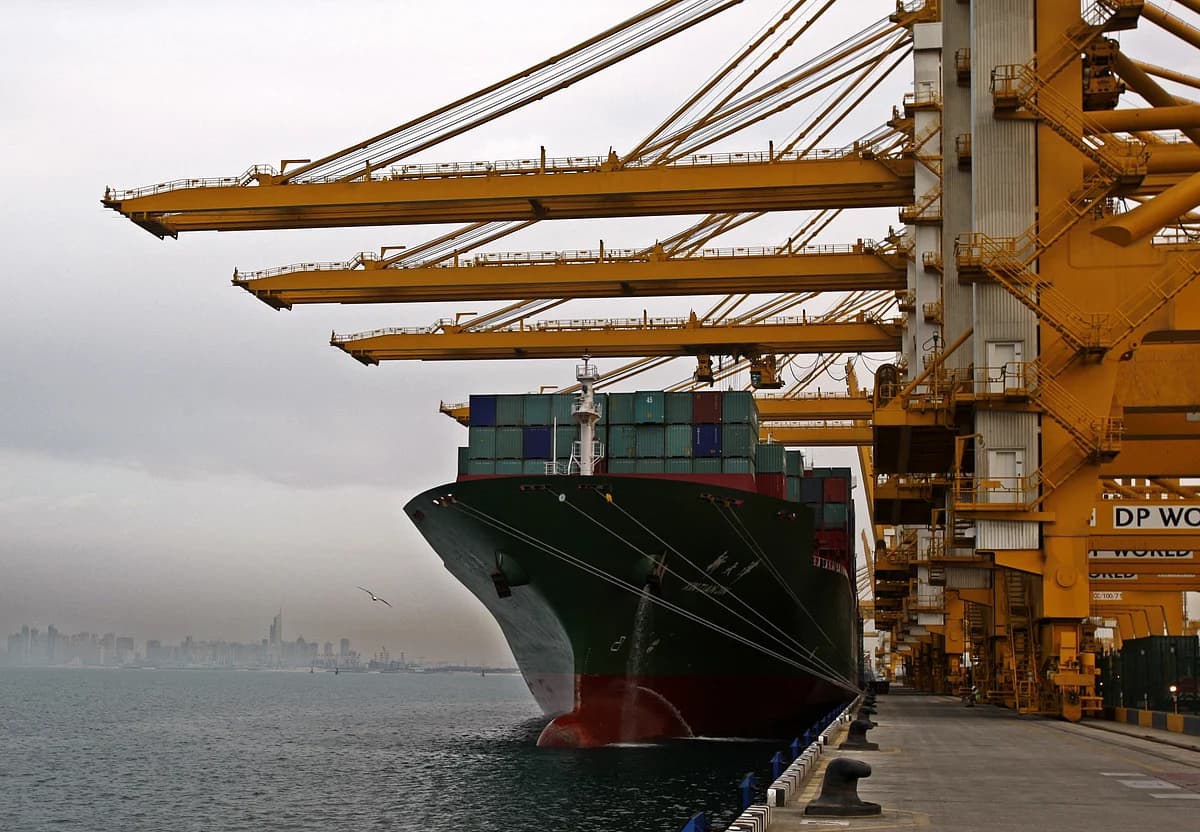
To facilitate this shift, the UAE is undertaking significant expansions of its major ports. These expansions are aimed at creating alternative routes for energy transportation, thereby enhancing the country's logistical capabilities.
The Context
The Strait of Hormuz is a critical chokepoint for global oil shipments, making it a focal point for energy security concerns. Recent conflicts in the region have raised alarms about the safety of maritime routes, prompting the UAE to take proactive measures. By eliminating its dependency on this vital strait, the UAE aims to bolster its economic security and ensure uninterrupted energy exports.
This strategic initiative reflects a broader trend among Gulf states to reassess their energy export strategies in light of geopolitical uncertainties. The timing of this announcement underscores the urgency for the UAE to adapt to changing regional dynamics.
Takeaway
As the UAE moves forward with its plans to eliminate reliance on the Strait of Hormuz, the success of these initiatives will depend on regional stability. Stakeholders should closely monitor developments in UAE port expansions and their impact on energy logistics. Additionally, responses from other Gulf states regarding their own energy export strategies will be crucial in shaping the future landscape of the region.
The UAE's strategic shift could significantly reshape energy logistics in the Gulf, presenting both challenges and opportunities for businesses involved in energy transportation and infrastructure.
Global business headlines with AI angles.
"General business outlet that frequently covers AI."
— A47 Editor
UAE Working On Plan To Eliminate Reliance On Hormuz Strait To 'Zero' After War
The United Arab Emirates (UAE) is actively working on a plan to eliminate its reliance on the Strait of Hormuz for energy exports, particularly in light of the ongoing conflict in Iran. This strategic move aims to enhance the UAE's energy security an...
UAE-based English-language newspaper covering regional politics, economics, and global affairs.
"The National reflects Emirati policy perspectives while maintaining international editorial standards."
— A47 Editor
UAE aims to cut dependency on Strait of Hormuz to 'zero' with major ports expansion plan
The United Arab Emirates (UAE) has announced a significant expansion plan for its eastern ports, including Dibba, Fujairah, and Khor Fakkan, with the goal of eliminating its reliance on the Strait of Hormuz for maritime trade. This initiative is part...
Breaking news and analysis from the UAE and Gulf region.
"Khaleej Times is a long-running UAE publication with broad regional coverage."
— A47 Editor
'Era of one strait, one port is over': UAE official says after Hormuz disruptions
A senior official from the UAE has declared that the era of relying on a single strait and port is over, following recent disruptions in the Strait of Hormuz. This statement reflects the growing complexities in regional maritime logistics and securit...