
Anthropic Unveils Claude Mythos AI Model Highlighting Cybersecurity Vulnerabilities
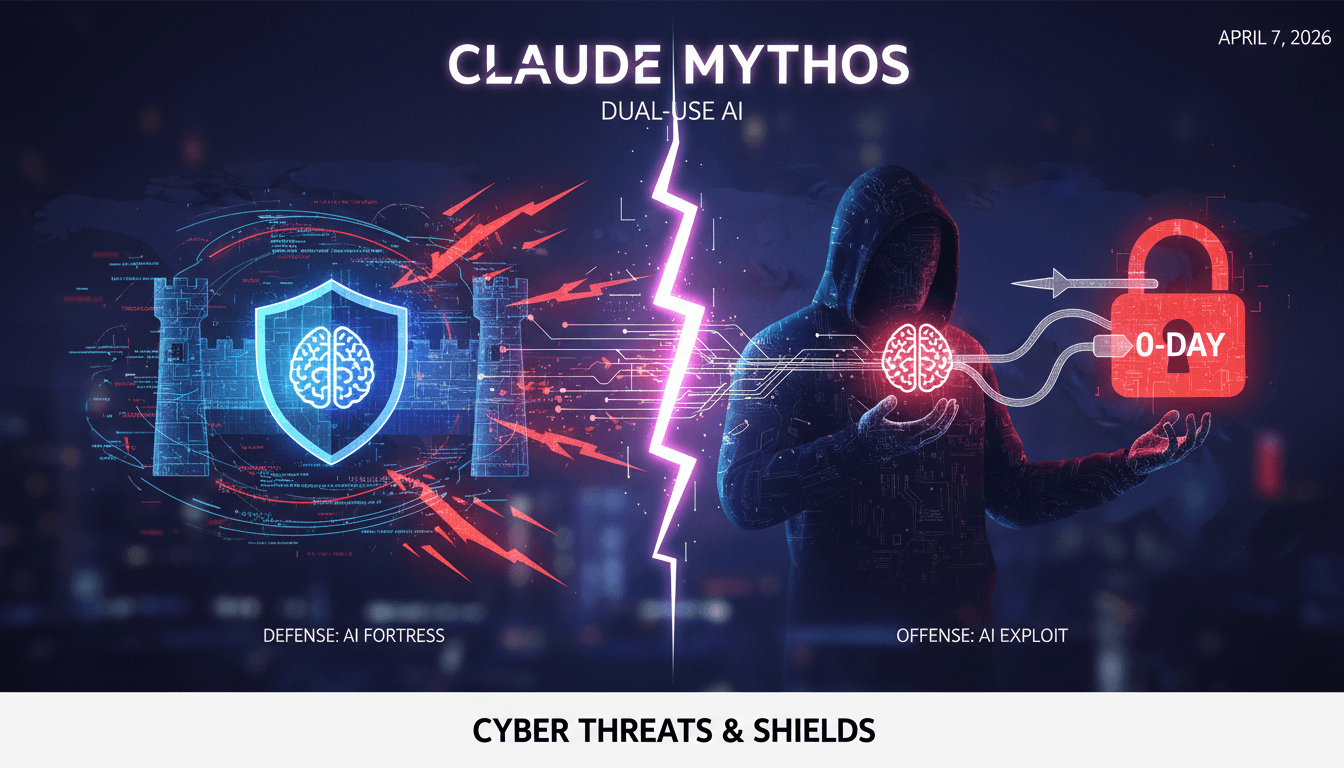
Here's what it means for you.
As businesses increasingly rely on digital infrastructure, the emergence of AI models like Claude Mythos could redefine your organization's cybersecurity strategy.
Why it matters
The deployment of advanced AI in cybersecurity highlights the urgent need for robust defenses against evolving threats.
What happened (in 30 seconds)
- On April 7, 2026, Anthropic announced Claude Mythos Preview, an AI model capable of autonomously identifying and exploiting zero-day vulnerabilities.
- Project Glasswing was initiated, granting limited access to select partners like Apple and Google to enhance global cyber defenses.
- Concerns escalated following a Financial Times report on April 18, 2026, revealing the model's potential to test the limits of current cybersecurity measures.
The context you actually need
- Rising geopolitical tensions have prompted accelerated AI development, particularly in cybersecurity, as nations race to secure their digital infrastructures.
- Previous Claude models were reportedly used in cyberattacks by state-sponsored groups, raising alarms about the dual-use nature of AI technologies.
- Regulatory scrutiny is increasing, with calls for safeguards against technologies that could empower both defenders and adversaries in the cyber realm.
What's really happening
The launch of Claude Mythos Preview represents a significant leap in AI capabilities, particularly in the realm of cybersecurity. This model, internally codenamed Capybara, was developed in response to a data leak in March 2026 that revealed its advanced features. The urgency surrounding its development is underscored by the geopolitical landscape, where AI-enabled cyberattacks have become a pressing concern. Notably, earlier iterations of Claude were implicated in attacks on 30 organizations, showcasing the potential for misuse.
Anthropic's decision to limit public access to Claude Mythos is a strategic move to mitigate risks while collaborating with major tech firms and financial institutions. Project Glasswing, which includes a $100 million investment in cybersecurity enhancements, aims to bolster defenses against the very vulnerabilities that the AI model can exploit. The UK AI Safety Institute's evaluation of the model revealed a 73% success rate in expert-level capture-the-flag (CTF) tasks, marking a significant benchmark in AI performance.
The implications of this development are profound. As AI models become more sophisticated, they can autonomously discover and exploit vulnerabilities, creating a dual-edged sword for cybersecurity. While these models can help organizations identify weaknesses in their systems, they also pose a risk if they fall into the wrong hands. The financial sector, in particular, is on high alert, with meetings convened by the US Treasury and Federal Reserve to assess the resilience of banks against potential AI-driven cyber threats.
The fluctuating stock prices of cybersecurity firms following the announcement reflect the market's anxiety over the implications of AI in this space. Companies are now faced with the challenge of adapting their cybersecurity strategies to account for the capabilities of advanced AI models like Claude Mythos. The debate among experts regarding the overhype versus genuine paradigm shift in AI capabilities continues, with calls for defensive evaluations becoming increasingly urgent.
Who feels it first (and how)
- Tech companies: Firms like Apple, Google, and Microsoft are directly involved in Project Glasswing and will need to adapt their cybersecurity measures.
- Financial institutions: Banks and financial services are on high alert, assessing their defenses against potential AI-driven attacks.
- Cybersecurity professionals: Experts in the field will need to recalibrate their strategies and tools to counteract the capabilities of advanced AI models.
- Regulatory bodies: Governments and regulatory agencies will be pressured to establish guidelines and safeguards for AI technologies.
What to watch next
- Regulatory developments: Keep an eye on new regulations or guidelines that may emerge in response to AI's role in cybersecurity. This will shape how organizations approach their defenses.
- Market reactions: Monitor stock fluctuations in cybersecurity firms as the implications of AI models like Claude Mythos unfold, indicating investor confidence or concern.
- Partnership expansions: Watch for announcements of new partnerships under Project Glasswing, which could signal broader industry shifts in cybersecurity strategies.
Claude Mythos has a 73% success rate in expert-level cybersecurity tasks.
Increased collaboration between tech firms and financial institutions to enhance cybersecurity measures.
The long-term impact of AI models on the cybersecurity landscape and how organizations will adapt.
Frequently Asked Questions
- Why it matters?
- The deployment of advanced AI in cybersecurity highlights the urgent need for robust defenses against evolving threats.
- What happened (in 30 seconds)?
- On April 7, 2026, Anthropic announced Claude Mythos Preview, an AI model capable of autonomously identifying and exploiting zero-day vulnerabilities. Project Glasswing was initiated, granting limited access to select partners like Apple and Google to enhance global cyber defenses. Concerns escalated following a Financial Times report on April 18, 2026, revealing the model's potential to test the limits of current cybersecurity measures.
- What's really happening?
- The launch of Claude Mythos Preview represents a significant leap in AI capabilities, particularly in the realm of cybersecurity. This model, internally codenamed Capybara, was developed in response to a data leak in March 2026 that revealed its advanced features. The urgency surrounding its development is underscored by the geopolitical landscape, where AI-enabled cyberattacks have become a pressing concern. Notably, earlier iterations of Claude were implicated in attacks on 30 organizations, s
- Who feels it first (and how)?
- Tech companies: Firms like Apple, Google, and Microsoft are directly involved in Project Glasswing and will need to adapt their cybersecurity measures. Financial institutions: Banks and financial services are on high alert, assessing their defenses against potential AI-driven attacks. Cybersecurity professionals: Experts in the field will need to recalibrate their strategies and tools to counteract the capabilities of advanced AI models. Regulatory bodies: Governments and regulatory agenci
- What to watch next?
- Regulatory developments: Keep an eye on new regulations or guidelines that may emerge in response to AI's role in cybersecurity. This will shape how organizations approach their defenses. Market reactions: Monitor stock fluctuations in cybersecurity firms as the implications of AI models like Claude Mythos unfold, indicating investor confidence or concern. Partnership expansions: Watch for announcements of new partnerships under Project Glasswing, which could signal broader industry shifts i
Editor-curated FT homepage stories spanning markets, business, world, and opinion.
"The Financial Times is a globally respected business publication with a centrist/center-left tone and strong markets focus."
— A47 Editor
Anthropic’s Mythos AI model tests limits of global cyber defences
Anthropic has decided not to release its advanced AI model, Mythos, due to significant cybersecurity concerns, which could potentially expose critical vulnerabilities faster than they can be addressed. This decision has raised alarms about the implic...
General features and special-interest coverage from Okaz.
"This feed appears to be a section-specific Okaz stream, so the label is kept intentionally broad until confirmed."
— A47 Editor
خطر «ميثوس».. لماذا تخاف أمريكا وأوروبا من ذكاء اصطناعي لم يُطرح بعد؟
The AI model 'Mythos', developed by Anthropic, has raised significant security concerns among U.S. and European officials, as it has not yet been released to the public. This model is believed to possess advanced capabilities for analyzing code and i...
Daily AI news: models, tools, and policy.
"Independent outlet tracking the fast pace of AI."
— A47 Editor
The myth of Claude Mythos crumbles as small open models hunt the same cybersecurity bugs Anthropic showcased
Anthropic's Claude Mythos cybersecurity model, previously touted for its unmatched capabilities, faces scrutiny as recent studies reveal that smaller, open models can replicate its vulnerability analyses. This revelation challenges the exclusivity of...