
US and Iran Reach Fragile Cease-Fire Amid Escalating Conflict Over Strait of Hormuz
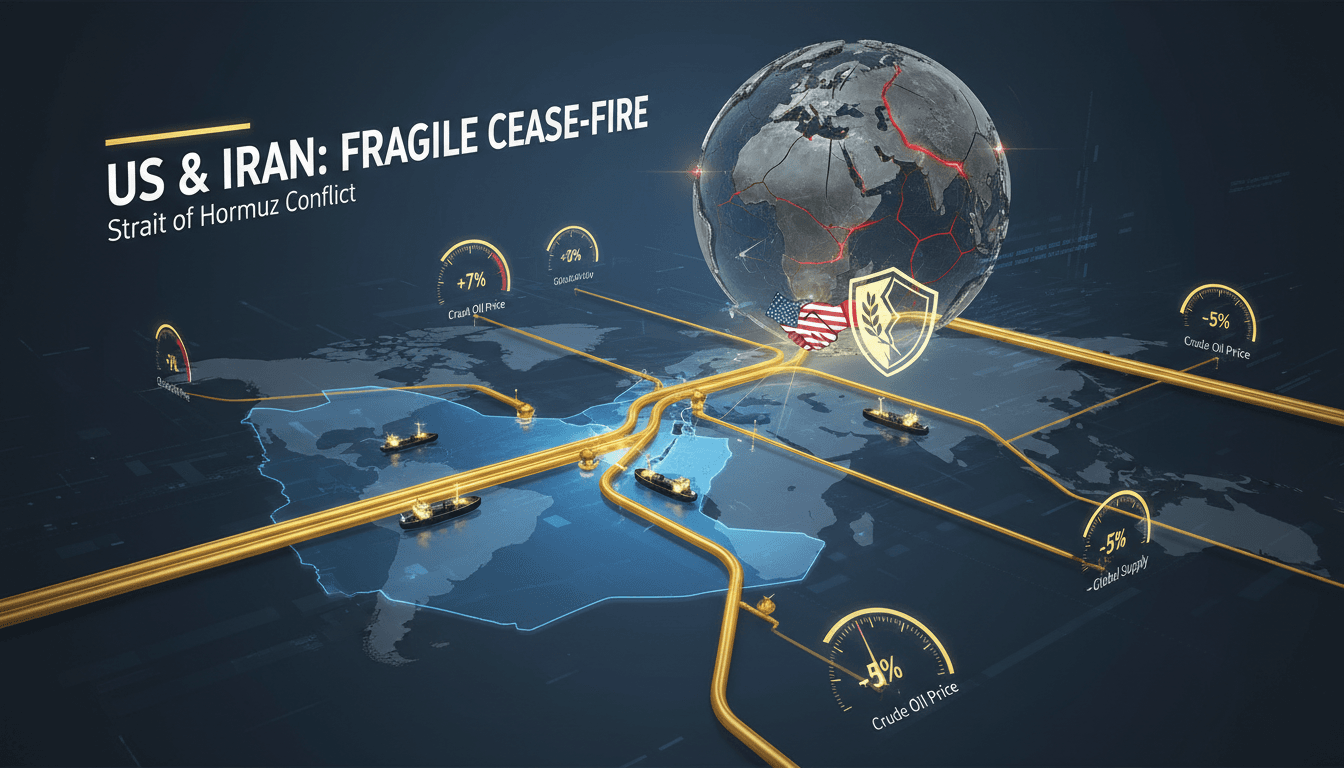
Here's what it means for you.
If you rely on global oil markets or have investments in the Middle East, the recent U.S.-Iran cease-fire could impact your financial outlook.
Why it matters
The ongoing conflict and recent cease-fire directly affect global oil prices and geopolitical stability, influencing markets worldwide.
What happened (in 30 seconds)
- April 8, 2026: The U.S. and Iran agreed to a two-week cease-fire after escalating tensions over the Strait of Hormuz.
- Escalation: U.S. President Trump issued an ultimatum for Iran to reopen the vital waterway, leading to Iranian missile strikes on Gulf states.
- Mediation: Pakistan facilitated the cease-fire negotiations, but disputes remain over nuclear issues and regional involvement.
The context you actually need
- Conflict Origins: The 2026 Iran War began with U.S. and Israeli airstrikes on Iranian military targets and leadership, including the assassination of Supreme Leader Ali Khamenei.
- Strategic Importance: The Strait of Hormuz is crucial for global oil supply, with 20% of the world's oil passing through it, making its control a focal point of U.S.-Iran tensions.
- Economic Impact: The conflict has led to significant disruptions in global energy supplies, with oil prices peaking at $120 per barrel and causing economic shocks in the UAE and beyond.
What's really happening
The recent escalation between the United States and Iran represents a complex interplay of military strategy, economic interests, and regional power dynamics. The conflict, which escalated dramatically after the U.S. and Israel launched coordinated airstrikes on February 28, 2026, was aimed at crippling Iran's nuclear capabilities and military infrastructure. This aggressive approach included the assassination of key Iranian leaders, which provoked a swift and severe response from Iran, including the closure of the Strait of Hormuz, a strategic chokepoint for global oil transport.
As tensions rose, Iran retaliated with missile and drone strikes targeting U.S. bases and Gulf states, activating proxy forces like Hezbollah and the Houthis. The resulting attrition warfare led to significant casualties and damage, including the suspension of operations at Dubai International Airport and damage to iconic structures like the Burj Al Arab. The economic fallout was substantial, with the UAE experiencing an estimated $120 billion in market losses and a collapse in tourism.
In response to the escalating crisis, U.S. President Trump issued a stark ultimatum demanding that Iran reopen the Strait of Hormuz by April 8, 2026, or face severe consequences. This ultimatum was met with a counterproposal from Iran, which sought to address broader regional issues, including its nuclear program and the involvement of Lebanon in the conflict. The situation prompted Pakistan to step in as a mediator, leading to a fragile two-week cease-fire agreement.
Despite the cease-fire, the underlying tensions remain unresolved. Israel continues its military operations in Lebanon, and Iran has accused the U.S. of violating the terms of the truce. The Gulf states, including the UAE and Saudi Arabia, are on high alert, having intercepted numerous Iranian missile and drone threats. The cease-fire may provide a temporary reprieve, but the potential for renewed conflict looms large, particularly as both sides prepare for further negotiations.
Who feels it first (and how)
- Investors: Fluctuations in oil prices directly impact investment portfolios, especially in energy sectors.
- Travel and Tourism Sector: Businesses reliant on tourism in the UAE face uncertainty due to flight suspensions and regional instability.
- Global Supply Chains: Companies dependent on oil and gas may experience increased costs and supply disruptions.
What to watch next
- Negotiation Outcomes: Watch for the results of upcoming talks in Islamabad, as they could shape future U.S.-Iran relations and regional stability.
- Oil Price Movements: Monitor Brent crude prices for signs of volatility as the cease-fire progresses, which may indicate market reactions to geopolitical developments.
- Military Actions: Keep an eye on Israel's operations in Lebanon and Iran's responses, as escalations could reignite broader conflict in the region.
The cease-fire is currently fragile and subject to violations.
Continued diplomatic efforts will be necessary to maintain peace, but tensions will persist.
The long-term implications of the cease-fire on regional stability and global oil markets remain uncertain.
Frequently Asked Questions
- Why it matters?
- The ongoing conflict and recent cease-fire directly affect global oil prices and geopolitical stability, influencing markets worldwide.
- What happened (in 30 seconds)?
- April 8, 2026: The U.S. and Iran agreed to a two-week cease-fire after escalating tensions over the Strait of Hormuz. Escalation: U.S. President Trump issued an ultimatum for Iran to reopen the vital waterway, leading to Iranian missile strikes on Gulf states. Mediation: Pakistan facilitated the cease-fire negotiations, but disputes remain over nuclear issues and regional involvement.
- What's really happening?
- The recent escalation between the United States and Iran represents a complex interplay of military strategy, economic interests, and regional power dynamics. The conflict, which escalated dramatically after the U.S. and Israel launched coordinated airstrikes on February 28, 2026, was aimed at crippling Iran's nuclear capabilities and military infrastructure. This aggressive approach included the assassination of key Iranian leaders, which provoked a swift and severe response from Iran, includin
- Who feels it first (and how)?
- Investors: Fluctuations in oil prices directly impact investment portfolios, especially in energy sectors. Travel and Tourism Sector: Businesses reliant on tourism in the UAE face uncertainty due to flight suspensions and regional instability. Global Supply Chains: Companies dependent on oil and gas may experience increased costs and supply disruptions.
- What to watch next?
- Negotiation Outcomes: Watch for the results of upcoming talks in Islamabad, as they could shape future U.S.-Iran relations and regional stability. Oil Price Movements: Monitor Brent crude prices for signs of volatility as the cease-fire progresses, which may indicate market reactions to geopolitical developments. Military Actions: Keep an eye on Israel's operations in Lebanon and Iran's responses, as escalations could reignite broader conflict in the region.
Global political, business, and cultural coverage from WSJ international desks.
"The Wall Street Journal offers extensive international reporting with a reputation for financial insight and a center-right editorial stance."
— A47 Editor
U.S. and Iran Push Tensions to the Brink Before Cease-Fire Talks
Tensions between the U.S. and Iran have escalated as both nations issue last-minute threats ahead of cease-fire talks, signaling significant obstacles to ending hostilities and reopening the strategically vital Strait of Hormuz.
Global markets, investing, and macroeconomics from a premier financial newsroom.
"Bloomberg is respected for in-depth financial reporting and data-driven analysis."
— A47 Editor
Hormuz, Lebanon Central to US, Iran Peace Talks
The ongoing peace talks between the US and Iran are critical as both parties aim to maintain a fragile ceasefire, which has been threatened by recent Israeli military strikes in Lebanon. The discussions are centered around key issues, including the f...