
Netanyahu Initiates Direct Negotiations with Lebanon on Hezbollah Disarmament
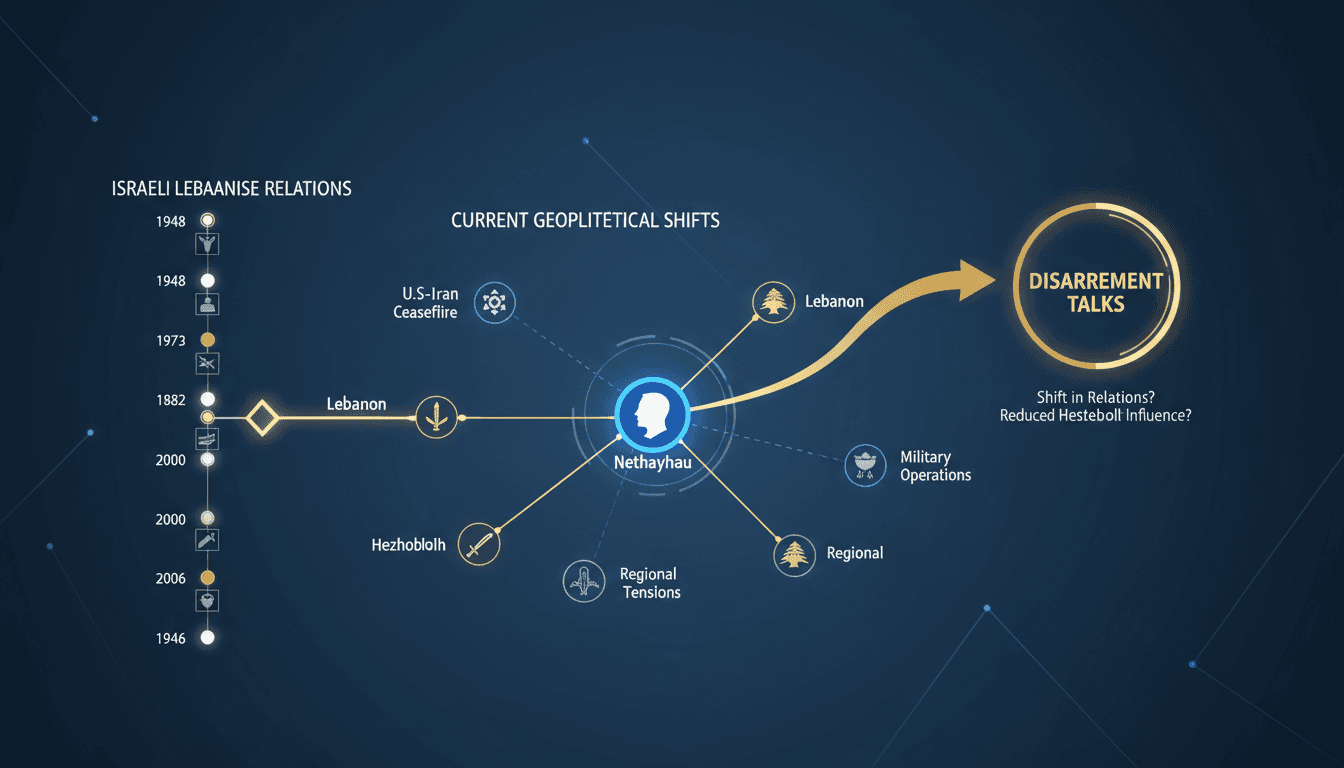
Here's what it means for you.
The evolving diplomatic landscape between Israel and Lebanon could reshape regional stability, impacting global markets and security dynamics.
Why it matters
This initiative could signal a shift in Middle Eastern geopolitics, influencing trade routes and investment strategies worldwide.
What happened (in 30 seconds)
- Netanyahu authorized negotiations: On April 9, 2026, Israeli Prime Minister Benjamin Netanyahu instructed his cabinet to begin direct talks with Lebanon regarding Hezbollah disarmament.
- Lebanon's response: While Lebanon confirmed no formal notification of the negotiations, a small delegation is being prepared to engage in discussions.
- Ongoing tensions: The announcement comes amid continued Israeli military operations in Lebanon and a fragile U.S.-Iran ceasefire.
The context you actually need
- Historical conflict: Israel and Lebanon have been in a state of technical war since 1948, with Hezbollah's presence exacerbating tensions.
- Recent escalations: A 2024 ceasefire was followed by renewed hostilities, including Israeli strikes and buffer zone expansions in March 2026.
- U.S. mediation: The current negotiations are framed within U.S.-mediated contacts, as Lebanon seeks international support for disarmament amid internal opposition.
What's really happening
The recent directive from Netanyahu to initiate direct negotiations with Lebanon marks a significant pivot in Israeli-Lebanese relations, which have been fraught with hostility for decades. This decision is not merely a diplomatic formality; it reflects a complex interplay of regional power dynamics and the urgent need for stability in the face of ongoing military confrontations.
The backdrop of this initiative is critical. Since the establishment of Israel in 1948, Lebanon has been embroiled in conflict, particularly with the rise of Hezbollah, an armed group supported by Iran. The 2024 ceasefire brought a temporary halt to hostilities, but tensions have remained high, especially following Israel's military operations in southern Lebanon. The recent strikes and the expansion of Israeli buffer zones have only intensified the situation, leading to a humanitarian crisis with over 1,000,000 Lebanese displaced by the ongoing conflict.
Netanyahu's discussions with U.S. President Donald Trump and envoy Steve Witkoff indicate a strategic alignment with U.S. interests in the region, particularly in stabilizing Lebanon and curbing Hezbollah's influence. By authorizing negotiations, Netanyahu aims to address not only the disarmament of Hezbollah but also to pave the way for peaceful relations with Lebanon. However, the lack of formal notification to Lebanon and the exclusion of Shiite representatives from the delegation suggest underlying tensions that could complicate the process.
The Lebanese government, led by Prime Minister Nawaf Salam, faces significant internal opposition from Hezbollah allies, who have already rejected the idea of direct talks. Pro-Hezbollah protests in Beirut highlight the domestic challenges Salam faces in pursuing disarmament. This opposition could hinder progress in negotiations and exacerbate the already volatile situation.
As these negotiations unfold, the implications extend beyond the immediate region. The potential for de-escalation could stabilize markets, particularly in the UAE, which has experienced significant economic volatility due to regional conflicts. The UAE markets lost approximately $120 billion amid fears of escalation, flight cancellations, and rising fuel costs affecting tourism and aviation.
In summary, while Netanyahu's directive to engage in negotiations with Lebanon is a step towards potential peace, the complexities of regional politics, internal opposition, and ongoing military actions present significant hurdles that could impact the success of these talks.
Who feels it first (and how)
- Investors in the UAE: Market volatility may stabilize, impacting investment strategies.
- Lebanese citizens: Those displaced by conflict may see changes in humanitarian aid and support.
- Regional businesses: Companies reliant on stable trade routes may experience shifts in operations and logistics.
What to watch next
- Lebanon's official response: Monitoring Lebanon's formal reaction to the negotiations will indicate the likelihood of progress.
- Hezbollah's stance: Any shifts in Hezbollah's public position could signal changes in the internal political landscape of Lebanon.
- U.S. involvement: Increased U.S. mediation efforts could either facilitate or complicate the negotiation process.
Netanyahu has authorized direct negotiations with Lebanon regarding Hezbollah disarmament.
Continued military operations by Israel may persist, impacting the negotiation climate.
The extent to which internal opposition in Lebanon will affect the negotiations and overall stability.
Frequently Asked Questions
- Why it matters?
- This initiative could signal a shift in Middle Eastern geopolitics, influencing trade routes and investment strategies worldwide.
- What happened (in 30 seconds)?
- Netanyahu authorized negotiations: On April 9, 2026, Israeli Prime Minister Benjamin Netanyahu instructed his cabinet to begin direct talks with Lebanon regarding Hezbollah disarmament. Lebanon's response: While Lebanon confirmed no formal notification of the negotiations, a small delegation is being prepared to engage in discussions. Ongoing tensions: The announcement comes amid continued Israeli military operations in Lebanon and a fragile U.S.-Iran ceasefire.
- What's really happening?
- The recent directive from Netanyahu to initiate direct negotiations with Lebanon marks a significant pivot in Israeli-Lebanese relations, which have been fraught with hostility for decades. This decision is not merely a diplomatic formality; it reflects a complex interplay of regional power dynamics and the urgent need for stability in the face of ongoing military confrontations. The backdrop of this initiative is critical. Since the establishment of Israel in 1948, Lebanon has been embroiled i
- Who feels it first (and how)?
- Investors in the UAE: Market volatility may stabilize, impacting investment strategies. Lebanese citizens: Those displaced by conflict may see changes in humanitarian aid and support. Regional businesses: Companies reliant on stable trade routes may experience shifts in operations and logistics.
- What to watch next?
- Lebanon's official response: Monitoring Lebanon's formal reaction to the negotiations will indicate the likelihood of progress. Hezbollah's stance: Any shifts in Hezbollah's public position could signal changes in the internal political landscape of Lebanon. U.S. involvement: Increased U.S. mediation efforts could either facilitate or complicate the negotiation process.
Pan-Arab news coverage spanning politics, business, sports, and regional affairs.
"Asharq Al-Awsat reflects a broad Arab editorial perspective with strong attention to regional geopolitics."
— A47 Editor
نتنياهو يعطي «الضوء الأخضر» لمفاوضات مع لبنان
Israeli Prime Minister Benjamin Netanyahu has given the green light for negotiations with Lebanon, marking a significant step in diplomatic relations between the two nations. This development follows ongoing discussions regarding various issues of mu...
Arabic-language UAE newspaper coverage focused on domestic affairs, public institutions, business, society, and regional developments.
"Al Khaleej coverage generally reflects a mainstream UAE editorial lens with strong attention to public affairs, institutions, and regional developments."
— A47 Editor
نتنياهو يوجه ببدء «مفاوضات مباشرة» مع لبنان «في أقرب وقت»
Israeli Prime Minister Benjamin Netanyahu announced on Thursday that he has directed the initiation of direct negotiations with Lebanon as soon as possible. A senior Lebanese official has called for a temporary ceasefire to facilitate talks with Isra...