
Oil Prices Increase as Iran-Israel Tensions Escalate
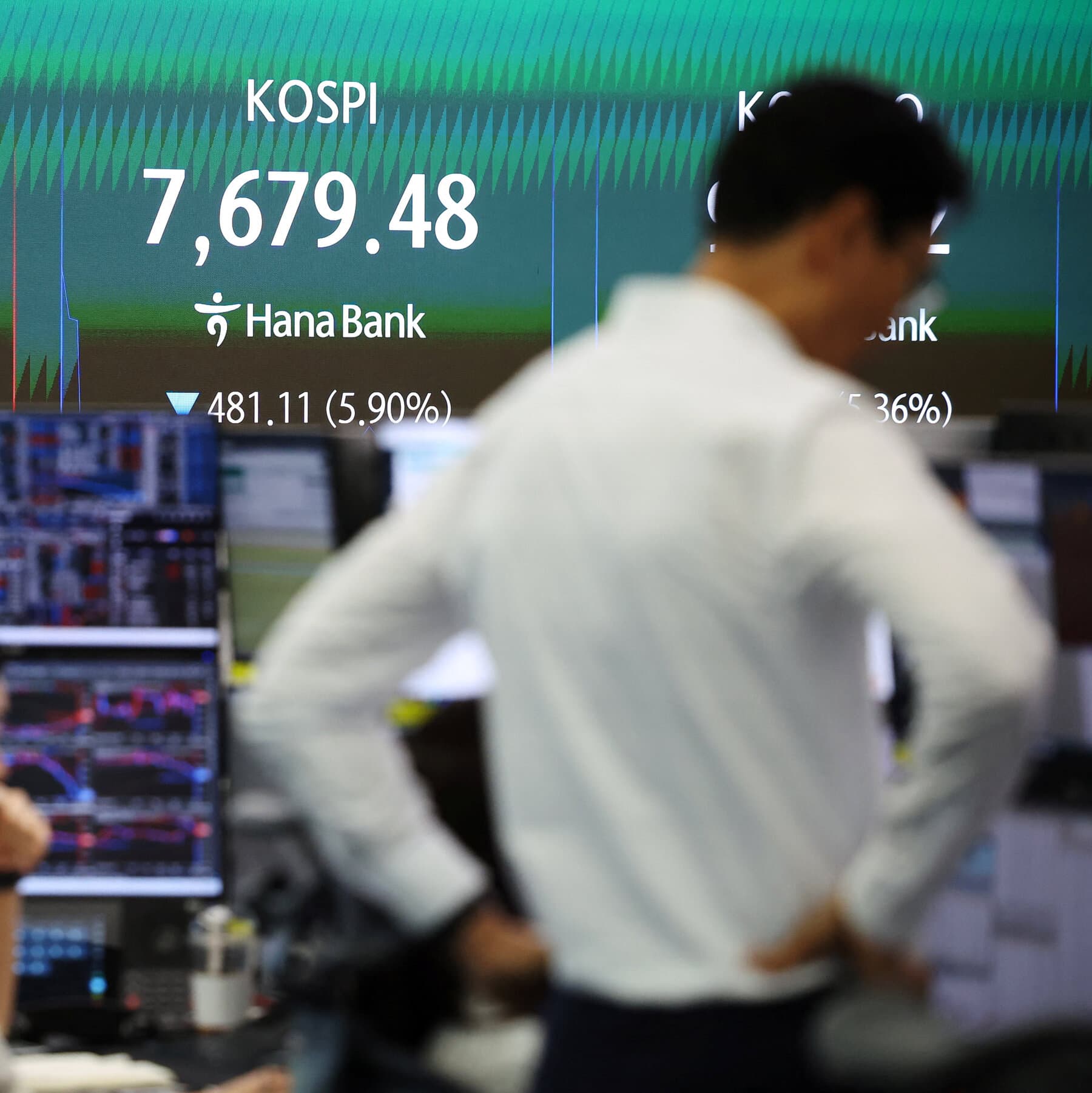
Here's what it means for you.
Rising oil prices could impact your operational costs and investment strategies.
What happened
On June 9, 2026, oil prices increased as tensions escalated between Iran and Israel.
The Context
- Geopolitical tensions: The conflict has intensified since February 2026, with military exchanges and a fragile ceasefire in place.
- Market volatility: Oil prices surged by over 5% due to fears of disrupted supplies, reflecting investor uncertainty.
- Regional implications: The Strait of Hormuz is crucial for global oil transit, making the situation significant for energy markets.
The Number
— Brent crude oil prices have risen approximately 31% since the onset of the conflict, indicating a direct impact on global energy costs.
Takeaway
Expect continued volatility in oil prices as the situation evolves, affecting markets and economic stability.
Pan-Arab news coverage spanning politics, business, sports, and regional affairs.
"Asharq Al-Awsat reflects a broad Arab editorial perspective with strong attention to regional geopolitics."
— A47 Editor
لماذا خاطرت إيران بمهاجمة إسرائيل؟
Iran's response to Israeli attacks in Lebanon appears reckless, potentially igniting a devastating regional war. However, for Iran, this action is deemed necessary to assert its position in the ongoing conflict.
Global political, business, and cultural coverage from WSJ international desks.
"The Wall Street Journal offers extensive international reporting with a reputation for financial insight and a center-right editorial stance."
— A47 Editor
Iran’s Attack on Israel Reveals New and Aggressive Regional Ambitions
Iran has escalated its military actions against Israel by launching missile strikes, marking a significant shift in its regional strategy and a departure from a fragile ceasefire established earlier this year. This military response follows Israeli a...
Markets, economy, and company analysis from NYT’s business desk.
"The New York Times is a globally recognized newspaper offering authoritative reporting with a center-left editorial stance."
— A47 Editor
Oil Rises as Hostilities Escalate Between Iran and Israel
Oil prices surged following missile exchanges between Iran and Israel, raising concerns about the stability of a fragile ceasefire in the Middle East. This escalation comes after Iran's missile strikes were perceived as retaliation for an Israeli air...
Comprehensive coverage of Middle Eastern and global issues.
"Al Jazeera is a prominent voice from the Global South, especially the Middle East, with an emphasis on underreported stories."
— A47 Editor
‘Strategic doctrine’: Iran hails military shift after Beirut raid response
Iran has recently escalated military tensions by launching missile strikes against Israel, a response to Israeli airstrikes on Beirut. This marks a significant shift in Iran's military doctrine, emphasizing a proactive and offensive strategy. The Ira...
Global news coverage with extensive reporting on Middle Eastern conflicts and geopolitics.
"Al Jazeera is a Qatar-based broadcaster known for wide regional coverage and alternative perspectives."
— A47 Editor
‘Strategic doctrine’: Iran hails military shift after Beirut raid response
Following Israeli airstrikes on southern Beirut, Iran has responded with missile and drone attacks targeting Israel, marking a significant escalation in hostilities and a shift in Iran's military strategy towards a more offensive posture. This milita...
Pan-Arab news coverage spanning politics, business, sports, and regional affairs.
"Asharq Al-Awsat reflects a broad Arab editorial perspective with strong attention to regional geopolitics."
— A47 Editor
لبنان بين مسار واشنطن ومساعي طهران لاستعادة الورقة التفاوضية
The Iranian attack on Israel has conveyed messages that extend beyond military dimensions, as Tehran seeks to re-establish Lebanon as a strategic asset in its confrontation with the United States. This development highlights the ongoing geopolitical ...
Regional coverage and analysis focused on politics, diplomacy, and business across the Middle East.
"Al-Monitor is known for analytical reporting on Middle East politics and policy developments."
— A47 Editor
US military helped Israel intercept Iran's missiles: What to know
Following Israeli airstrikes on the outskirts of Beirut, Iran has launched missile and drone attacks targeting Israel, marking a significant escalation in hostilities. The U.S. military has reportedly assisted Israel in intercepting these Iranian mis...
Pan-Arab news coverage spanning politics, business, sports, and regional affairs.
"Asharq Al-Awsat reflects a broad Arab editorial perspective with strong attention to regional geopolitics."
— A47 Editor
إسرائيل: إيران أطلقت منذ مساء أمس نحو 30 صاروخاً
Iran has launched approximately 30 rockets towards Israel since Sunday evening, marking a significant escalation in tensions between the two nations. This development raises concerns about the potential for further military conflict in the region.
Arabic-language political and world news coverage for UAE readers.
"Emarat Al Youm world coverage usually presents international developments through a UAE and Arab audience lens."
— A47 Editor
الجيش الإسرائيلي يعلن ضرب "أهداف عسكرية" في إيران الجيش الإسرائيلي يعلن ضرب "أهداف عسكرية" في إيران
The Israeli military announced that it has conducted airstrikes on 'military targets' in western and central Iran following the launch of missiles from Iran towards Israel. This escalation marks a significant increase in hostilities between the two n...