
Israel Supports US-Iran Two-Week Ceasefire Amid Ongoing Regional Conflict
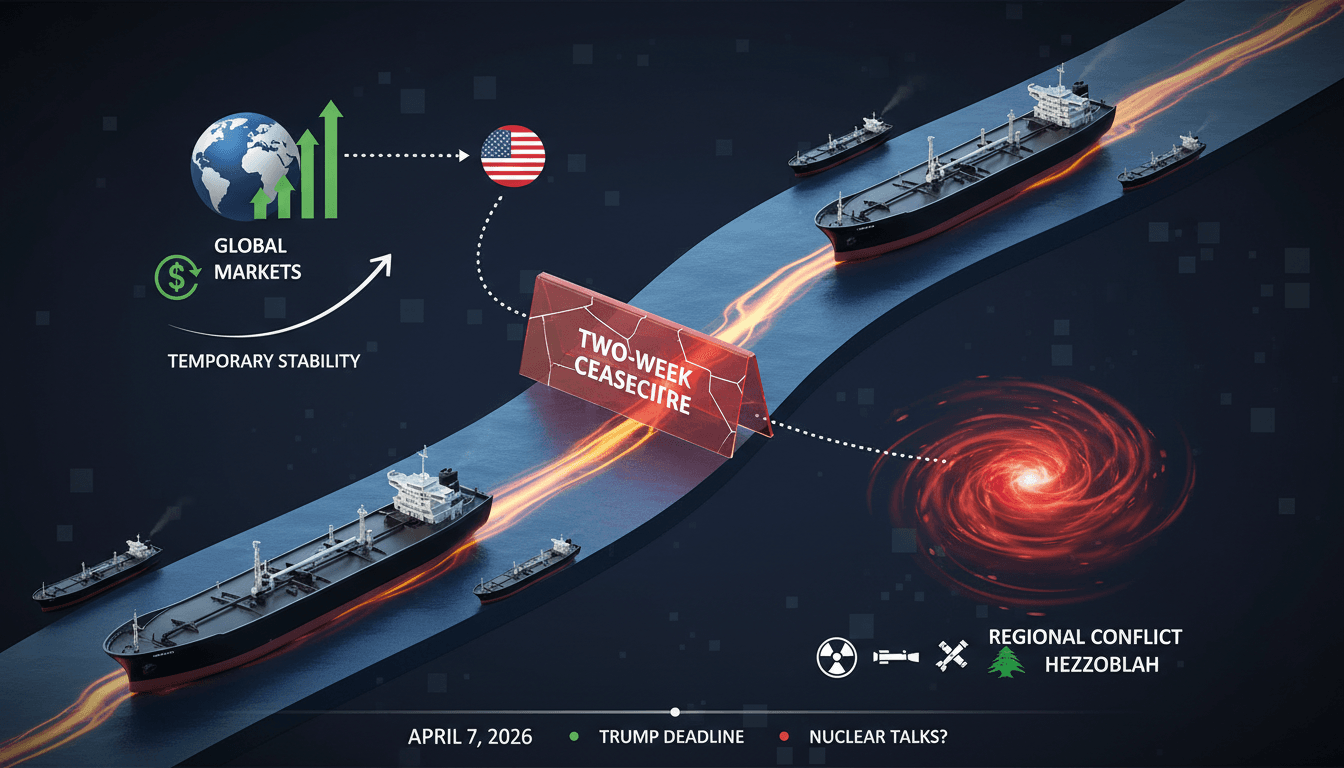
Here's what it means for you.
The evolving geopolitical landscape in the Middle East could impact global oil prices and regional stability, affecting your business operations and travel plans.
Why it matters
This ceasefire could reshape energy markets and security dynamics, influencing everything from fuel costs to international trade routes.
What happened (in 30 seconds)
- Israel endorsed a two-week ceasefire between the US and Iran, contingent on Iran reopening the Strait of Hormuz and halting attacks.
- Negotiations are set to begin on April 10, 2026, in Islamabad, Pakistan, to address Iran's nuclear program and regional threats.
- The conflict escalated after US and Israeli airstrikes on Iran led to retaliatory actions, including missile strikes and the closure of critical maritime routes.
The context you actually need
- The conflict began on February 28, 2026, with US and Israeli airstrikes that killed Iran's Supreme Leader, escalating tensions in the region.
- Iran's closure of the Strait of Hormuz disrupted global oil supplies, prompting military responses from Israel and its allies.
- The ceasefire agreement is conditional, with Israel's support explicitly excluding operations against Hezbollah, indicating ongoing tensions in Lebanon.
What's really happening
The endorsement of a conditional ceasefire by Israel on April 7, 2026, represents a strategic maneuver in a complex geopolitical landscape. The backdrop of this agreement is a 40-day conflict that began with US and Israeli airstrikes targeting Iran's nuclear capabilities and leadership. The assassination of Supreme Leader Ayatollah Ali Khamenei marked a significant escalation, prompting Iran to retaliate by closing the Strait of Hormuz, a vital maritime corridor for global oil shipments.
The ceasefire, announced by US President Donald Trump shortly before a self-imposed deadline for military action against Iran, requires Iran to reopen the Strait and cease attacks on US and Israeli interests. This agreement reflects a delicate balance of power, as Israel's support is contingent upon Iran's compliance, particularly regarding its proxy operations in Lebanon. The conditional nature of Israel's endorsement indicates a strategic calculation to maintain pressure on Iran while avoiding a broader conflict that could destabilize the region further.
Negotiations set to begin in Islamabad aim to address not only Iran's nuclear ambitions but also its missile capabilities and proxy threats, which have been a source of concern for Israel and its allies. Pakistan's role as a mediator highlights its growing influence in regional diplomacy, positioning itself as a key player in resolving tensions between Iran and the US.
The immediate aftermath of the ceasefire announcement saw a significant drop in global oil prices, with US crude falling over 15%. This decline is crucial for consumers and businesses alike, as lower fuel costs can ease economic pressures. In Dubai, for instance, residents experienced a nearly 7% plunge in oil prices, directly benefiting from reduced fuel expenses. However, the ongoing conflict in Lebanon, particularly with Hezbollah, remains a critical factor that could disrupt this fragile peace.
The ceasefire is not just a temporary halt in hostilities; it represents a potential turning point in the broader regional dynamics. The implications for international trade, energy security, and military strategy are profound, as stakeholders navigate the complexities of a ceasefire that is anything but straightforward.
Who feels it first (and how)
- Energy Sector: Companies reliant on oil supply chains may benefit from lower prices but face uncertainties if conflict resumes.
- Travel and Tourism: Travelers to the Middle East may see fluctuations in safety and costs, impacting travel plans.
- Investors: Those with stakes in Middle Eastern markets will be closely monitoring the ceasefire's stability and its effects on regional economies.
What to watch next
- Negotiation Outcomes: The results of the talks in Islamabad will be crucial in determining the future of US-Iran relations and regional stability.
- Iran's Compliance: Monitoring Iran's adherence to the ceasefire conditions will indicate whether the situation is improving or deteriorating.
- Regional Military Movements: Any shifts in military posture by Israel or Iran could signal a return to hostilities or a commitment to peace.
The ceasefire is currently active, with negotiations scheduled for April 10, 2026.
Global oil prices will continue to fluctuate based on developments in the ceasefire and regional stability.
The long-term impact of the ceasefire on Iran's nuclear program and proxy activities remains uncertain.
Frequently Asked Questions
- Why it matters?
- This ceasefire could reshape energy markets and security dynamics, influencing everything from fuel costs to international trade routes.
- What happened (in 30 seconds)?
- Israel endorsed a two-week ceasefire between the US and Iran, contingent on Iran reopening the Strait of Hormuz and halting attacks. Negotiations are set to begin on April 10, 2026, in Islamabad, Pakistan, to address Iran's nuclear program and regional threats. The conflict escalated after US and Israeli airstrikes on Iran led to retaliatory actions, including missile strikes and the closure of critical maritime routes.
- What's really happening?
- The endorsement of a conditional ceasefire by Israel on April 7, 2026, represents a strategic maneuver in a complex geopolitical landscape. The backdrop of this agreement is a 40-day conflict that began with US and Israeli airstrikes targeting Iran's nuclear capabilities and leadership. The assassination of Supreme Leader Ayatollah Ali Khamenei marked a significant escalation, prompting Iran to retaliate by closing the Strait of Hormuz, a vital maritime corridor for global oil shipments. The ce
- Who feels it first (and how)?
- Energy Sector: Companies reliant on oil supply chains may benefit from lower prices but face uncertainties if conflict resumes. Travel and Tourism: Travelers to the Middle East may see fluctuations in safety and costs, impacting travel plans. Investors: Those with stakes in Middle Eastern markets will be closely monitoring the ceasefire's stability and its effects on regional economies.
- What to watch next?
- Negotiation Outcomes: The results of the talks in Islamabad will be crucial in determining the future of US-Iran relations and regional stability. Iran's Compliance: Monitoring Iran's adherence to the ceasefire conditions will indicate whether the situation is improving or deteriorating. Regional Military Movements: Any shifts in military posture by Israel or Iran could signal a return to hostilities or a commitment to peace.
Oil, metals, and agriculture: supply/demand headlines, OPEC chatter, inventories, and price action.
"Solid tape for energy and metals traders tracking macro and micro catalysts."
— A47 Editor
Israel backs Trump’s two-week pause on Iran strikes, says Lebanon excluded
Israel has expressed support for former President Donald Trump's decision to implement a two-week pause on military strikes against Iran, clarifying that this ceasefire does not extend to Lebanon. This development comes amid ongoing diplomatic negoti...
UAE-based newspaper covering Gulf politics, society, and international developments.
"Gulf News is one of the UAE’s most prominent English-language publications."
— A47 Editor
Israel backs US-Iran temporary two-week ceasefire
Israel has expressed support for the recent decision by the United States to implement a temporary two-week ceasefire with Iran, as confirmed by the Prime Minister's office. This ceasefire follows escalating military tensions and threats from the U.S...
A curated Gulf News feed featuring major stories across news, business, opinion, and lifestyle.
"Gulf News is a major UAE newspaper whose featured stories feed reflects a broad editorial mix shaped for a Gulf audience."
— A47 Editor
Israel backs US-Iran temporary two-week ceasefire
Israel has expressed support for the recent decision by the United States to implement a temporary two-week ceasefire with Iran, as confirmed by the Prime Minister's office. This ceasefire follows escalating military tensions and threats from the U.S...