
Israeli Airstrikes in Lebanon Result in Significant Casualties Amid Ceasefire Tensions
Here's what it means for you.
The escalating conflict in Lebanon could impact global oil prices, affecting fuel costs and economic stability in your region.
Why it matters
The airstrikes exacerbate tensions in the Middle East, influencing global energy markets and international diplomatic relations.
What happened (in 30 seconds)
- On April 8, 2026, Israel launched over 100 airstrikes across Lebanon, killing at least 254 people and wounding 1,165 others.
- The strikes targeted Hezbollah infrastructure in densely populated areas, occurring just hours after a U.S.-brokered ceasefire with Iran took effect.
- International reactions included condemnation from Lebanon's Prime Minister and calls for de-escalation from European leaders.
The context you actually need
- The attacks are part of the ongoing 2026 Iran–Israel war, which has seen increased hostilities since March, particularly involving Hezbollah.
- The U.S.-brokered ceasefire aimed to halt direct U.S./Israel-Iran confrontations but did not include Lebanon, leading to Israeli preemptive strikes against Hezbollah.
- Hezbollah's continued operations against Israel prompted Israel's escalation, targeting command centers located near civilian areas.
What's really happening
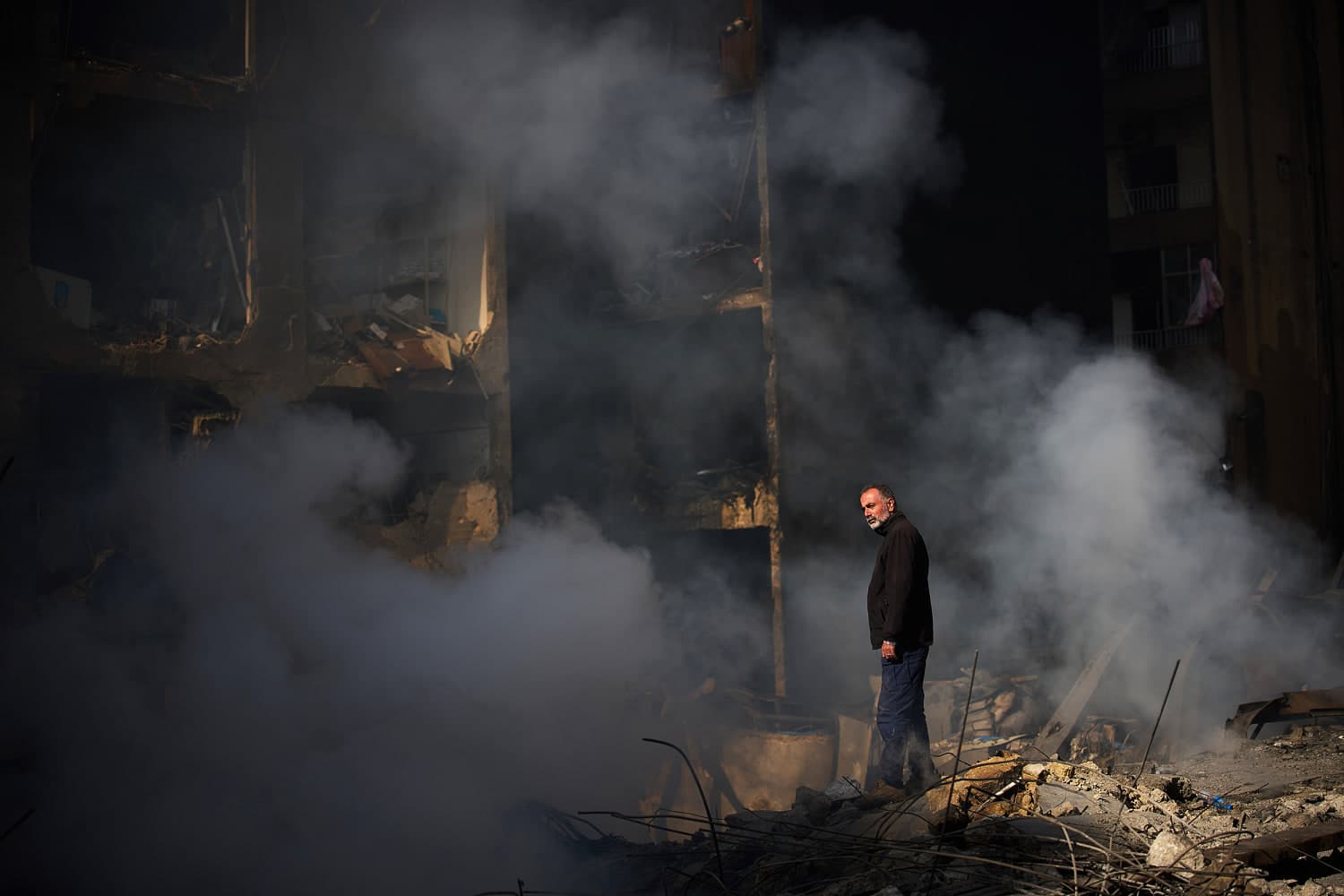
On April 8, 2026, Israel executed its most extensive airstrike campaign since March, targeting over 100 Hezbollah sites in a rapid 10-minute assault. This operation resulted in significant civilian casualties, with reports indicating at least 254 deaths and 1,165 injuries, according to Lebanon's Civil Defence. The strikes primarily affected central Beirut and southern suburbs, where residential buildings were destroyed, leading to widespread devastation and a national day of mourning in Lebanon.
The Israeli Defense Forces (IDF) justified the airstrikes as necessary to dismantle Hezbollah's military capabilities, particularly in light of the group's ongoing cross-border attacks into northern Israel. Prime Minister Netanyahu emphasized Israel's commitment to continuing operations against Hezbollah, which he characterized as a direct threat to Israeli security. In the wake of the strikes, evacuation warnings were issued to residents in areas likely to be targeted.
Despite the ceasefire brokered by the U.S. and Pakistan, which aimed to halt hostilities between Israel and Iran, the exclusion of Lebanon from this agreement created a precarious situation. Iran condemned the airstrikes as violations of the ceasefire and threatened retaliation, further complicating an already tense geopolitical landscape. Hezbollah responded by launching rockets into Israel, which were intercepted, indicating a potential escalation of hostilities.
The international community reacted with alarm, with European leaders urging an immediate halt to the violence. U.S. President Trump called for restraint from Israel, highlighting the delicate balance of power in the region. The situation has led to fluctuations in oil markets, with Brent crude prices rising to $95.92 per barrel, reflecting fears of further conflict and its implications for global energy supplies.
As the conflict continues, the potential for broader regional instability looms large. The dynamics between Israel, Hezbollah, and Iran are increasingly intertwined with global economic factors, particularly energy prices, which could have direct implications for consumers and businesses worldwide.
Who feels it first (and how)
- Residents of Lebanon: Directly impacted by airstrikes, facing loss of life and property.
- Middle Eastern oil producers: Fluctuations in oil prices affect revenue and economic stability.
- Global consumers: Rising fuel costs may lead to increased prices at the pump and higher costs of goods.
- International businesses: Companies with interests in the Middle East may face operational disruptions or increased costs.
What to watch next
- Oil price movements: Watch for fluctuations in Brent crude prices, as they could signal broader economic impacts.
- Diplomatic negotiations: Monitor any developments in U.S.-Iran negotiations and Israel-Lebanon talks, as these could influence regional stability.
- Hezbollah's military actions: Keep an eye on Hezbollah's responses to Israeli strikes, which may escalate or de-escalate tensions in the region.
The airstrikes resulted in significant civilian casualties and international condemnation.
Continued military operations by Israel and possible retaliatory actions from Hezbollah.
The long-term impact on regional stability and global oil markets.
Frequently Asked Questions
- Why it matters?
- The airstrikes exacerbate tensions in the Middle East, influencing global energy markets and international diplomatic relations.
- What happened (in 30 seconds)?
- On April 8, 2026, Israel launched over 100 airstrikes across Lebanon, killing at least 254 people and wounding 1,165 others. The strikes targeted Hezbollah infrastructure in densely populated areas, occurring just hours after a U.S.-brokered ceasefire with Iran took effect. International reactions included condemnation from Lebanon's Prime Minister and calls for de-escalation from European leaders.
- What's really happening?
- On April 8, 2026, Israel executed its most extensive airstrike campaign since March, targeting over 100 Hezbollah sites in a rapid 10-minute assault. This operation resulted in significant civilian casualties, with reports indicating at least 254 deaths and 1,165 injuries, according to Lebanon's Civil Defence. The strikes primarily affected central Beirut and southern suburbs, where residential buildings were destroyed, leading to widespread devastation and a national day of mourning in Lebanon.
- Who feels it first (and how)?
- Residents of Lebanon: Directly impacted by airstrikes, facing loss of life and property. Middle Eastern oil producers: Fluctuations in oil prices affect revenue and economic stability. Global consumers: Rising fuel costs may lead to increased prices at the pump and higher costs of goods. International businesses: Companies with interests in the Middle East may face operational disruptions or increased costs.
- What to watch next?
- Oil price movements: Watch for fluctuations in Brent crude prices, as they could signal broader economic impacts. Diplomatic negotiations: Monitor any developments in U.S.-Iran negotiations and Israel-Lebanon talks, as these could influence regional stability. Hezbollah's military actions: Keep an eye on Hezbollah's responses to Israeli strikes, which may escalate or de-escalate tensions in the region.
U.S. national news with a West Coast perspective.
"The Los Angeles Times is a major West Coast newspaper offering in-depth reporting with a liberal editorial tone and strong regional focus."
— A47 Editor
U.S. talks with Iran uncertain as ceasefire tested in Lebanon
The U.S.-Iran ceasefire agreement is facing significant challenges as Iran has accused Israel of violating the terms through recent airstrikes in Lebanon, which have reportedly resulted in numerous casualties. This escalation has raised concerns abou...
International news with cultural insight.
"The Los Angeles Times is a major West Coast newspaper offering in-depth reporting with a liberal editorial tone and strong regional focus."
— A47 Editor
U.S. talks with Iran uncertain as ceasefire tested in Lebanon
The U.S.-Iran ceasefire agreement is facing significant challenges as Iran has accused Israel of violating the terms through recent airstrikes in Lebanon, which have reportedly resulted in numerous casualties. This escalation has raised concerns abou...
Business, investment, entrepreneurship, leadership, and innovation.
"Forbes is known for its coverage of business leaders, market trends, and entrepreneurial ventures with a pro-business editorial stance."
— A47 Editor
Israel-Lebanon Peace Talks Could Start Next Week In D.C., Report Says
A ceasefire agreement involving the U.S., Israel, and Iran has been cast into doubt following Israel's recent military strikes against Lebanon, marking a significant escalation in tensions. This development raises concerns about the stability of the ...
Conservative-leaning political and national coverage.
"The Washington Times is a conservative-leaning newspaper known for its political coverage and advocacy of right-of-center viewpoints."
— A47 Editor
Iran warns ceasefire violations will meet 'strong' response, as Lebanon emerges as sticking point
A senior Iranian official has issued a warning that any violations of the recent U.S.-Iran ceasefire will incur significant consequences, as tensions escalate over ongoing Israeli military actions in Lebanon. This comes amid calls from European leade...
National headlines across the United States including breaking stories and societal issues.
"NBC News is a mainstream media outlet known for comprehensive national and international news coverage with a centrist to slightly left-leaning editorial tone."
— A47 Editor
Israeli strikes on Lebanon threaten U.S.-Iran ceasefire
Israeli military forces have intensified their airstrikes on Lebanon, marking a significant escalation in the ongoing conflict, particularly against Hezbollah. This surge in military action comes shortly after a U.S.-Iran ceasefire was declared, rais...
National headlines across the United States including breaking stories and societal issues.
"NBC News is a mainstream media outlet known for comprehensive national and international news coverage with a centrist to slightly left-leaning editorial tone."
— A47 Editor
Israel's attacks devastate Beirut and threaten U.S.-Iran ceasefire
Israel's military has intensified its bombardment of Beirut, resulting in significant devastation and casualties, as the ongoing attacks threaten the fragile ceasefire established between the U.S. and Iran. This escalation marks one of the most sever...
Comprehensive coverage of global events, politics, and international issues.
"NBC News is a mainstream outlet known for comprehensive national and international coverage with a centrist to slightly left-leaning editorial tone."
— A47 Editor
Israel's attacks devastate Beirut and threaten U.S.-Iran ceasefire
Israel's military has intensified its bombardment of Beirut, resulting in significant devastation and casualties, as the ongoing attacks threaten the fragile ceasefire established between the U.S. and Iran. This escalation marks one of the most sever...
Global news coverage with extensive reporting on Middle Eastern conflicts and geopolitics.
"Al Jazeera is a Qatar-based broadcaster known for wide regional coverage and alternative perspectives."
— A47 Editor
Why Israel’s attacks on Lebanon could cripple US-Iran ceasefire
Israel has intensified its military operations in Lebanon, launching extensive airstrikes that have resulted in significant casualties and widespread panic among civilians. This escalation follows a ceasefire agreement between the United States and I...
Comprehensive coverage of Middle Eastern and global issues.
"Al Jazeera is a prominent voice from the Global South, especially the Middle East, with an emphasis on underreported stories."
— A47 Editor
Why Israel’s attacks on Lebanon could cripple US-Iran ceasefire
Israel has intensified its military operations in Lebanon, launching extensive airstrikes that have resulted in significant casualties and widespread panic among civilians. This escalation follows a ceasefire agreement between the United States and I...
24/7 international news from a French perspective in multiple languages.
"France 24 is viewed as a globally focused outlet with balanced coverage and a European perspective."
— A47 Editor
US-Iran truce hangs in balance as war flares in Lebanon
The fragile two-week truce between the United States and Iran is at risk as Israel intensifies its military operations in Lebanon, launching extensive airstrikes that have resulted in at least 182 fatalities and nearly 900 injuries according to Leban...
Public radio coverage of American news and issues.
"NPR is an American public media organization known for thoughtful reporting and a slightly left-leaning editorial tone."
— A47 Editor
A fragile U.S.-Iran ceasefire shows cracks as attacks continue across the region
A fragile ceasefire between the U.S. and Iran is showing signs of strain as attacks continue across the region, with Iran, the U.S., and Israel having agreed to suspend strikes. However, Israel has indicated it will not cease its military operations ...
International stories from NPR’s global desk.
"NPR is an American public media organization known for thoughtful reporting and a slightly left-leaning editorial tone."
— A47 Editor
A fragile U.S.-Iran ceasefire shows cracks as attacks continue across the region
A fragile ceasefire between the U.S. and Iran is showing signs of strain as attacks continue across the region, with Iran, the U.S., and Israel having agreed to suspend strikes. However, Israel has indicated it will not cease its military operations ...