
Pro-Russian Hackers Attempt Destructive Cyberattack on Swedish Power Plant
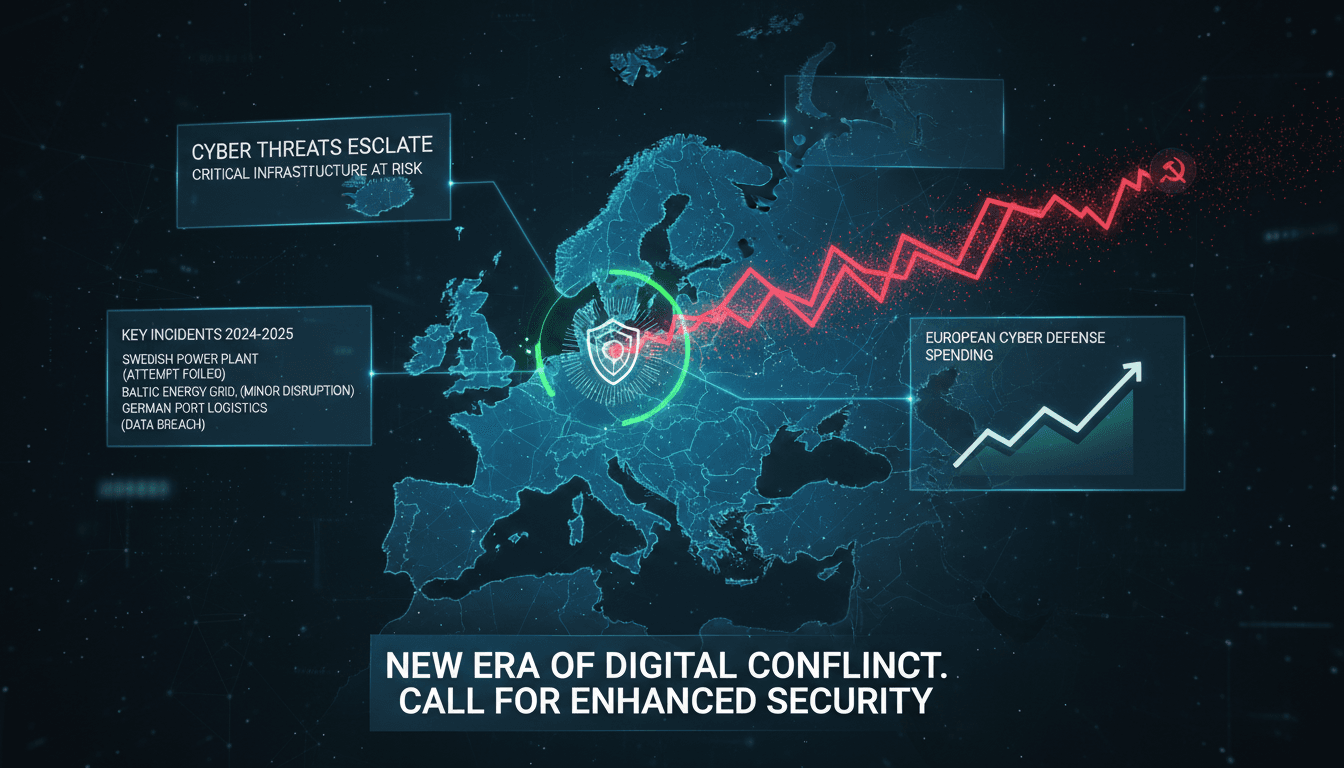
Here's what it means for you.
As a global operator, you must prepare for an increasingly complex landscape of cybersecurity threats that could impact critical infrastructure and, by extension, your business operations.
The Vibe
A notable shift is occurring in the realm of cyber warfare, with pro-Russian hackers moving from disruptive tactics to more destructive objectives targeting critical infrastructure.
What it signals
This escalation indicates a growing normalization of cyberattacks as a strategic tool in geopolitical conflicts. The implications for your status and work culture are profound, as organizations must now prioritize cybersecurity not just as an IT issue, but as a core component of operational resilience and risk management.
Why it's happening now
1. The ongoing geopolitical tensions stemming from Russia's invasion of Ukraine have intensified cyber operations, pushing hackers to adopt riskier tactics. 2. The increasing sophistication of operational technology systems makes them attractive targets for those seeking to disrupt essential services. 3. A lack of immediate repercussions for cyber aggressors has emboldened them to escalate their tactics, leading to a cycle of heightened threats against Western infrastructure.
Who it's for (and who it leaves out)
The primary beneficiaries of this trend are cybersecurity firms and technology providers who can offer advanced protective measures. Conversely, smaller organizations lacking robust cybersecurity frameworks may find themselves vulnerable and ill-prepared.
What to watch next
1. Monitor the responses from European cybersecurity agencies as they adapt to these evolving threats and enhance collaborative defenses. 2. Keep an eye on the development of new cybersecurity regulations that may emerge in response to these incidents, impacting compliance requirements across industries.
Visual Directive: A striking infographic illustrating the rise of cyber threats against critical infrastructure in Europe, highlighting key incidents and their implications.
A pro-Russian hacker group attempted a destructive cyberattack on a Swedish thermal power plant, which was thwarted without any operational disruption.
Similar attacks may increase as geopolitical tensions persist, prompting organizations to bolster their cybersecurity measures.
The long-term economic impact of these cyber threats on critical infrastructure and related sectors remains to be seen.
Consumer tech news, reviews, and buying guides for gadgets and electronics.
"TechRadar is known for comprehensive buying advice, hardware reviews, and consumer tech news targeted at mainstream audiences."
— A47 Editor
Russia hits European thermal power plant in attempted ‘destructive’ cyberattack – Pro-Kremlin hackers are engaging in ‘riskier and more reckless behavior’ in latest attempt to cripple Western critical infrastructure
A thermal power plant in Sweden was targeted in an attempted 'destructive' cyberattack attributed to Russian hackers, highlighting escalating cyber threats against Western critical infrastructure.
Startup news with frequent AI coverage.
"Covers launches, funding, and product updates in AI."
— A47 Editor
Sweden blames Russian hackers for attempting ‘destructive’ cyberattack on thermal plant
Sweden's minister for civil defense has accused Russian hackers of attempting a destructive cyberattack on a thermal plant, highlighting the increasing threat posed by such malicious activities in Europe.
Pan-Arab news coverage spanning politics, business, sports, and regional affairs.
"Asharq Al-Awsat reflects a broad Arab editorial perspective with strong attention to regional geopolitics."
— A47 Editor
السويد تحبط هجوماً إلكترونياً لمجموعة موالية لروسيا على محطة توليد طاقة حرارية
Sweden's Civil Defense Minister announced on Wednesday that the country thwarted a cyberattack planned by a Russia-aligned hacking group targeting a thermal power station in the western part of the country. This incident highlights ongoing cybersecur...