
Trump and Sharif Address US-Iran Talks Amid Escalating Tensions
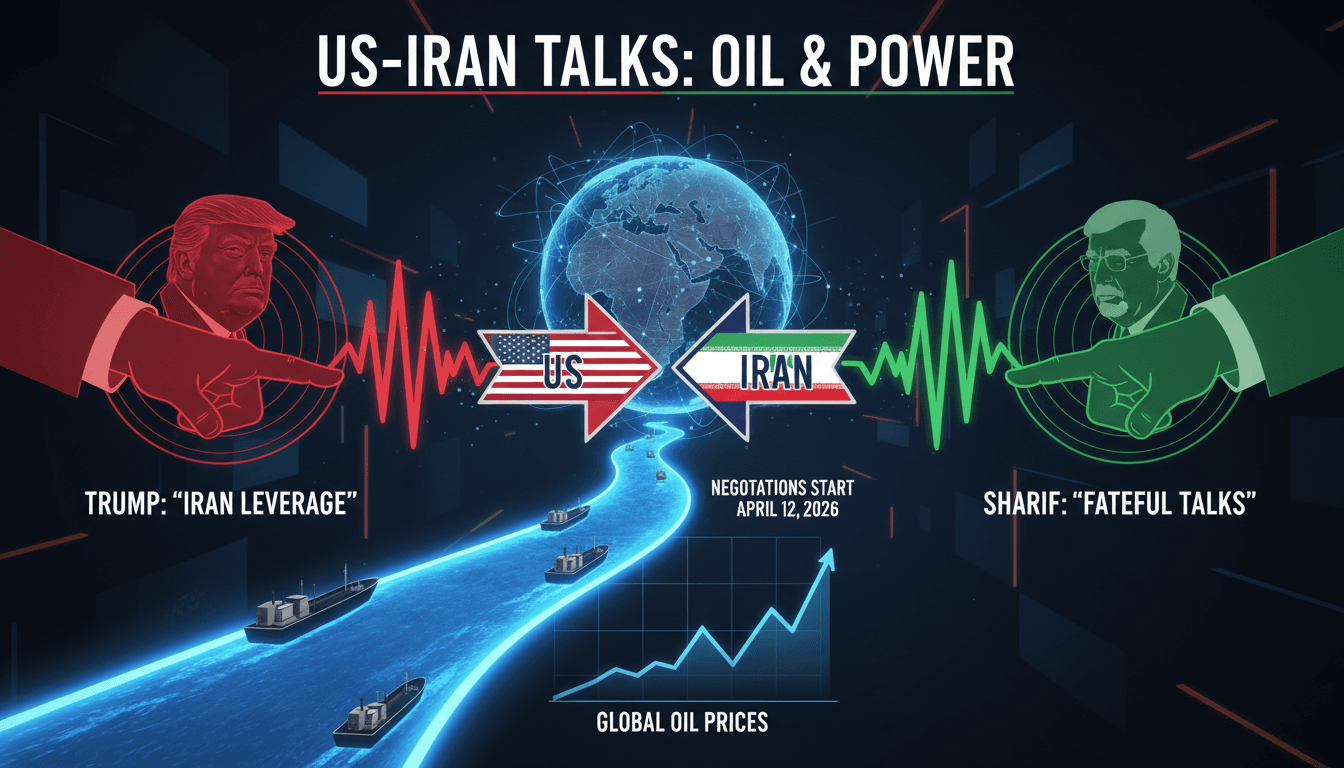
Here's what it means for you.
The outcome of U.S.-Iran negotiations could significantly impact global oil prices and regional stability, affecting your costs and investments.
Why it matters
The fragile ceasefire and upcoming negotiations could reshape energy markets and geopolitical alliances, influencing economic conditions worldwide.
What happened (in 30 seconds)
- Trump accused Iran of blackmailing the world via control of the Strait of Hormuz, framing negotiations as Iran's only option for survival.
- Pakistan Prime Minister Shehbaz Sharif labeled the U.S.-Iran talks as 'fateful', emphasizing their potential to either secure peace or escalate tensions.
- Delegations from both nations arrived in Islamabad on April 10, with peace talks set to begin on April 12, 2026, amid a backdrop of heightened military activity.
The context you actually need
- The Strait of Hormuz is crucial, with 20% of global oil passing through it; disruptions here can lead to significant economic repercussions.
- The U.S.-Iran conflict escalated after failed nuclear negotiations and military interventions, leading to a blockade that has already affected oil supply and prices.
- Pakistan's role as a mediator is pivotal, given its relationships with both the U.S. and Iran, and its ability to provide a neutral ground for discussions.
What's really happening
The current diplomatic landscape is a direct response to escalating tensions between the U.S. and Iran, which have reached a critical juncture following a series of military confrontations and failed negotiations. In early 2026, the situation deteriorated sharply after Israeli strikes on Iranian assets and U.S. military interventions, leading to a blockade of the Strait of Hormuz. This chokepoint is vital for global oil transport, with around 107 vessels per day traversing it before the conflict. Now, the flow has been severely restricted, with reports indicating only one tanker on April 10, 2026.
Trump's assertion that Iran has "no cards" beyond short-term extortion reflects a strategic positioning aimed at undermining Iran's negotiating power. His comments are designed to rally domestic support while applying pressure on Iran to concede in talks. Meanwhile, Sharif's characterization of the negotiations as "fateful" underscores the high stakes involved—not just for the U.S. and Iran, but for global markets and regional stability.
The ceasefire brokered by Pakistan on April 8, 2026, offers a brief window for diplomacy, but the underlying tensions remain. The Iranian Revolutionary Guard's announcement of a "new phase" in managing the Strait of Hormuz indicates a potential escalation in military posturing, which could further complicate negotiations. The stakes are high, with both sides aware that failure to reach an agreement could lead to renewed hostilities, impacting oil prices and global economic stability.
In this context, the UAE is particularly concerned about the implications of any deal, demanding guarantees for access through the Strait of Hormuz. The UAE's logistical hub status is at risk, and it is prepared to join coalitions to ensure safe passage for vessels. As oil prices have already shown volatility—plummeting up to 15% on ceasefire news but remaining elevated—any disruption could have immediate effects on global markets, inflation, and energy costs.
Who feels it first (and how)
- Energy sector professionals: Fluctuations in oil prices directly impact their operations and profitability.
- Consumers globally: Rising fuel prices affect transportation costs and everyday expenses.
- Investors: Market volatility can influence stock prices, particularly in energy and logistics sectors.
- UAE residents: Increased fuel costs and potential disruptions in aviation and logistics could affect their daily lives and travel plans.
What to watch next
- Negotiation outcomes: The success or failure of talks will dictate immediate market reactions and geopolitical stability.
- Oil price trends: Watch for fluctuations in oil prices as negotiations unfold, which could signal broader economic impacts.
- Regional military movements: Increased military activity or rhetoric from either side could indicate a shift toward escalation, affecting global security.
The U.S. and Iranian delegations are in Islamabad for peace talks.
Oil prices will remain volatile in response to negotiation outcomes and military posturing.
The long-term implications of any agreement on U.S.-Iran relations and regional stability remain uncertain.
Frequently Asked Questions
- Why it matters?
- The fragile ceasefire and upcoming negotiations could reshape energy markets and geopolitical alliances, influencing economic conditions worldwide.
- What happened (in 30 seconds)?
- Trump accused Iran of blackmailing the world via control of the Strait of Hormuz, framing negotiations as Iran's only option for survival. Pakistan Prime Minister Shehbaz Sharif labeled the U.S.-Iran talks as 'fateful', emphasizing their potential to either secure peace or escalate tensions. Delegations from both nations arrived in Islamabad on April 10, with peace talks set to begin on April 12, 2026, amid a backdrop of heightened military activity.
- What's really happening?
- The current diplomatic landscape is a direct response to escalating tensions between the U.S. and Iran, which have reached a critical juncture following a series of military confrontations and failed negotiations. In early 2026, the situation deteriorated sharply after Israeli strikes on Iranian assets and U.S. military interventions, leading to a blockade of the Strait of Hormuz. This chokepoint is vital for global oil transport, with around 107 vessels per day traversing it before the conflict
- Who feels it first (and how)?
- Energy sector professionals: Fluctuations in oil prices directly impact their operations and profitability. Consumers globally: Rising fuel prices affect transportation costs and everyday expenses. Investors: Market volatility can influence stock prices, particularly in energy and logistics sectors. UAE residents: Increased fuel costs and potential disruptions in aviation and logistics could affect their daily lives and travel plans.
- What to watch next?
- Negotiation outcomes: The success or failure of talks will dictate immediate market reactions and geopolitical stability. Oil price trends: Watch for fluctuations in oil prices as negotiations unfold, which could signal broader economic impacts. Regional military movements: Increased military activity or rhetoric from either side could indicate a shift toward escalation, affecting global security.
Arabic-language coverage of political affairs and current events.
"Okaz political coverage typically follows mainstream Saudi framing on national and regional affairs."
— A47 Editor
ترمب: إيران تبتز العالم بلا أوراق.. وشريف: مفاوضات إسلام آباد «مصيرية»
U.S. President Donald Trump intensified his rhetoric against Iran, asserting that Tehran lacks genuine leverage and accusing it of extorting the world by threatening international shipping routes. He emphasized that Iran's only means of survival has ...
Arabic-language coverage of international news and geopolitics.
"RT Arabic is a Russian state-funded outlet often criticized for promoting Kremlin-aligned narratives."
— A47 Editor
ترامب: إيران لا تملك سوى التهديد بالممرات وبقاء مسؤوليها على قيد الحياة فقط من أجل التفاوض
U.S. President Donald Trump stated that Iran lacks any real leverage, asserting that its capabilities are limited to short-term global intimidation through the use of international waterways. He emphasized that the only remaining option for Iranian o...
Arabic-language political and world news coverage for UAE readers.
"Emarat Al Youm world coverage usually presents international developments through a UAE and Arab audience lens."
— A47 Editor
ترامب: "لا أوراق" تفاوضية بيد إيران باستثناء التحكم بمضيق هرمز ترامب: "لا أوراق" تفاوضية بيد إيران باستثناء التحكم بمضيق هرمز
On April 10, 2026, U.S. President Donald Trump stated that Iran lacks any negotiation leverage in the upcoming talks with the United States, except for its control over the Strait of Hormuz. This comment underscores the U.S. administration's stance o...