
US-Iran ceasefire negotiations fail as intermediaries withdraw
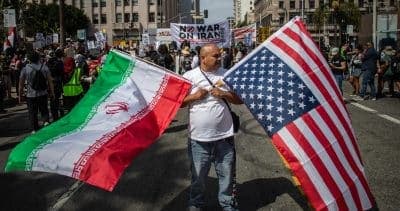
Here's what it means for you.
The ongoing tensions between the US and Iran could lead to increased economic instability and volatility in global markets, affecting your investments and energy prices.
Why it matters
The failure of ceasefire negotiations heightens geopolitical risks, impacting oil prices and regional stability.
What happened (in 30 seconds)
- Intermediaries announced on April 7, 2026, that US-Iran ceasefire talks are terminated.
- Prediction market odds for a ceasefire plummeted to 2.3% from 12% in just one week.
- Iran rejected temporary measures, insisting on permanent resolutions amid escalating threats from President Trump.
The context you actually need
- The conflict escalated after Israeli strikes on Iran in June 2025, leading to US military involvement.
- Iran's closure of the Strait of Hormuz on March 4, 2026, disrupted global oil flows, causing economic shocks in the Gulf region.
- Negotiations mediated by various countries failed, with Pakistan's recent efforts collapsing due to irreconcilable positions.
What's really happening
The collapse of US-Iran ceasefire talks on April 7, 2026, marks a significant turning point in a conflict that has escalated since mid-2025. The situation began with Israeli airstrikes on Iranian targets, prompting the US to engage militarily in February 2026. This involvement included a bombing campaign aimed at Iran's nuclear and missile infrastructure, which intensified hostilities and led to Iran's strategic closure of the Strait of Hormuz. This closure not only disrupted global oil supplies but also triggered economic instability across the Gulf Cooperation Council (GCC) countries.
As negotiations unfolded, various regional mediators, including Turkey, Egypt, Qatar, and Pakistan, attempted to facilitate a ceasefire. However, these efforts were hampered by President Trump's ultimatums and Iran's insistence on a permanent resolution rather than temporary measures. The situation reached a critical juncture when intermediaries informed Iran that further diplomatic talks were terminated, leading to a dramatic drop in prediction market odds for a ceasefire. The odds fell from 12% to a mere 2.3%, reflecting a widespread belief that a resolution is increasingly unlikely.
Iran's response to the cessation of talks included a counterproposal for a 10-point permanent peace plan, which included demands for sanctions relief and tolls for the Strait of Hormuz. However, this proposal was deemed insufficient by President Trump, who threatened to escalate military actions against Iranian infrastructure if no agreement was reached by April 8. The stakes are high, as the potential for military escalation could lead to significant retaliatory actions from Iran, further destabilizing the region.
The broader implications of this deadlock are profound. With oil prices already rising amid fears of conflict, the economic repercussions will likely extend beyond the Middle East, affecting global markets and energy prices. Investors and businesses must brace for increased volatility as the situation unfolds, particularly in sectors sensitive to oil prices and geopolitical stability.
Who feels it first (and how)
- Energy Sector: Increased oil prices and supply chain disruptions will impact profitability and operational costs.
- Investors: Heightened market volatility may lead to losses in energy stocks and related investments.
- Gulf Cooperation Council (GCC) Countries: Economic shocks from oil supply disruptions will strain regional economies and government budgets.
- Global Consumers: Rising energy prices will affect transportation and goods costs, leading to higher consumer prices.
What to watch next
- Oil Prices: Monitor fluctuations in oil prices, as any escalation in conflict could lead to significant increases, affecting global markets.
- US Military Movements: Watch for changes in US military posture in the region, which could indicate potential escalations or de-escalations.
- Iran's Response: Pay attention to Iran's actions following the collapse of talks, as retaliatory measures could further destabilize the region and impact global economic conditions.
- The US-Iran ceasefire talks have collapsed, leading to increased geopolitical tensions.
- Oil prices will continue to rise amid fears of conflict and supply disruptions.
- The potential for further military escalation and its impact on global markets remains uncertain.
Frequently Asked Questions
- Why it matters?
- The failure of ceasefire negotiations heightens geopolitical risks, impacting oil prices and regional stability.
- What happened (in 30 seconds)?
- Intermediaries announced on April 7, 2026, that US-Iran ceasefire talks are terminated. Prediction market odds for a ceasefire plummeted to 2.3% from 12% in just one week. Iran rejected temporary measures, insisting on permanent resolutions amid escalating threats from President Trump.
- What's really happening?
- The collapse of US-Iran ceasefire talks on April 7, 2026, marks a significant turning point in a conflict that has escalated since mid-2025. The situation began with Israeli airstrikes on Iranian targets, prompting the US to engage militarily in February 2026. This involvement included a bombing campaign aimed at Iran's nuclear and missile infrastructure, which intensified hostilities and led to Iran's strategic closure of the Strait of Hormuz. This closure not only disrupted global oil supplies
- Who feels it first (and how)?
- Energy Sector: Increased oil prices and supply chain disruptions will impact profitability and operational costs. Investors: Heightened market volatility may lead to losses in energy stocks and related investments. Gulf Cooperation Council (GCC) Countries: Economic shocks from oil supply disruptions will strain regional economies and government budgets. Global Consumers: Rising energy prices will affect transportation and goods costs, leading to higher consumer prices.
- What to watch next?
- Oil Prices: Monitor fluctuations in oil prices, as any escalation in conflict could lead to significant increases, affecting global markets. US Military Movements: Watch for changes in US military posture in the region, which could indicate potential escalations or de-escalations. Iran's Response: Pay attention to Iran's actions following the collapse of talks, as retaliatory measures could further destabilize the region and impact global economic conditions.
Real-time updates, analysis, and reports on the blockchain and cryptocurrency sectors.
"Crypto News delivers real-time updates, analysis, and reports on the blockchain and cryptocurrency sectors."
— A47 Editor
Will crypto market rally as ceasefire talks between the U.S. and Iran intensify?
The United States and Iran are currently engaged in discussions regarding a potential temporary ceasefire, which could pave the way for a more permanent resolution to ongoing tensions. Reports indicate that regional mediators are involved in these ta...
Research, news, and analysis on blockchain startups, DeFi, and regulations.
"Crypto Briefing provides research, news, and analysis on blockchain startups, DeFi, and crypto regulations with investor-focused coverage."
— A47 Editor
US, Iran in talks for potential 45-day ceasefire as market skepticism grows
The United States and Iran are currently engaged in discussions aimed at establishing a potential 45-day ceasefire, amidst growing skepticism in the market regarding the viability of these diplomatic efforts. This skepticism is fueled by a history of...
Research, news, and analysis on blockchain startups, DeFi, and regulations.
"Crypto Briefing provides research, news, and analysis on blockchain startups, DeFi, and crypto regulations with investor-focused coverage."
— A47 Editor
Ceasefire odds for US-Iran talks plummet as intermediaries step back
Diplomatic efforts between the United States and Iran have reached a critical juncture, with ceasefire prospects diminishing significantly as intermediaries withdraw from negotiations. This development follows a series of stalled talks and Iran's rej...