
Trump Announces Immediate Lifting of Iranian Ports Blockade Upon Agreement Signing
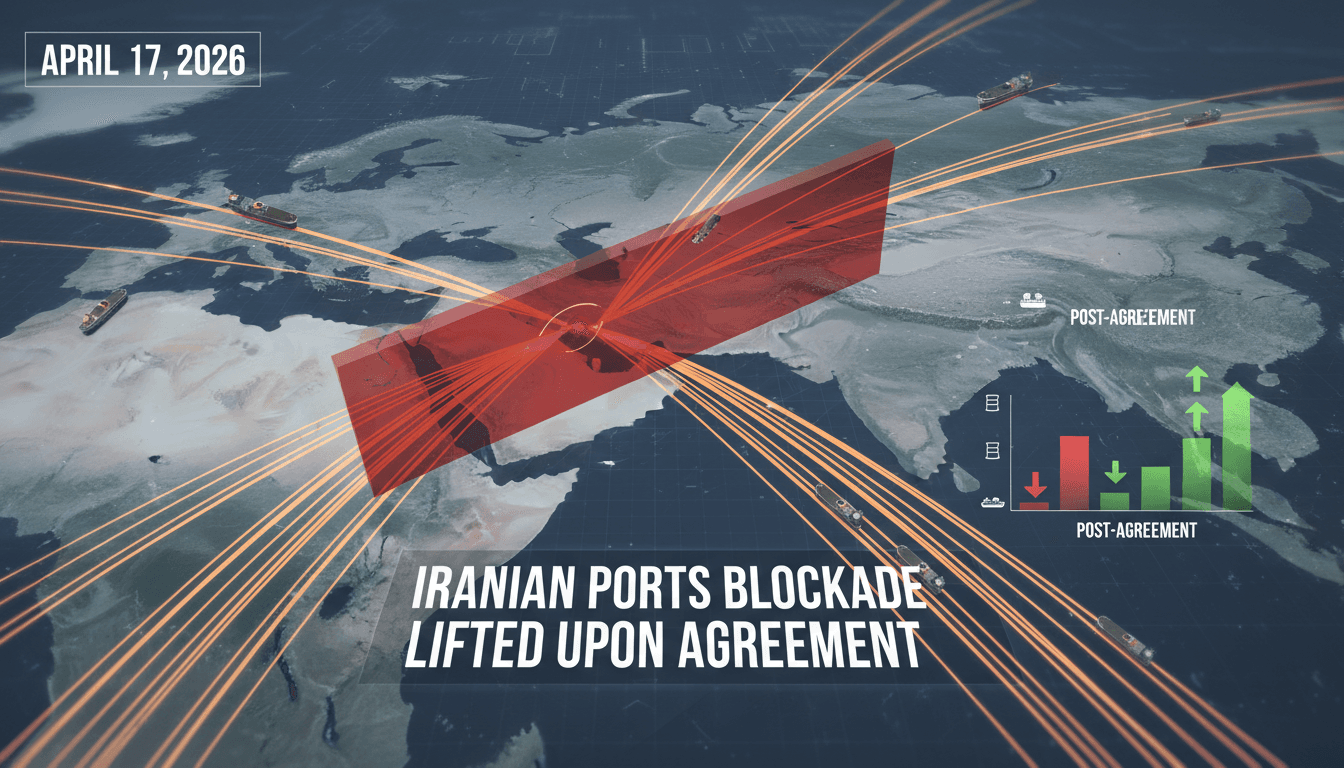
Here's what it means for you.
If you rely on stable energy prices or global shipping routes, the ongoing U.S.-Iran negotiations could significantly impact your costs.
Why it matters
The U.S. naval blockade on Iranian ports directly affects global oil prices and shipping logistics, with ripple effects felt across various sectors.
What happened (in 30 seconds)
- Trump announced that the U.S. blockade on Iranian ports would lift immediately upon signing a deal, citing limited differences in negotiations.
- Iran's response included a denial of Trump's claims, with officials highlighting contradictions in U.S. statements regarding the Strait of Hormuz.
- Oil prices surged above $100 per barrel following the blockade, indicating market volatility and inflationary pressures.
The context you actually need
- The U.S.-Iran war began on February 28, 2026, following U.S.-Israeli strikes on Iranian military sites, escalating tensions in the region.
- A ceasefire was brokered on April 8, 2026, but subsequent talks in Pakistan failed, leading to the enforcement of the naval blockade on April 13.
- The Strait of Hormuz is a critical chokepoint for global oil trade, with 20% of the world's oil passing through, making disruptions here particularly impactful.
What's really happening
The recent remarks by President Trump signal a pivotal moment in U.S.-Iran relations, particularly in the context of the ongoing conflict that erupted earlier this year. The U.S. initiated military action against Iran, citing concerns over its nuclear capabilities and regional influence. The blockade, enforced on April 13, 2026, was a strategic move aimed at crippling Iran's economy and pressuring its government to negotiate.
Trump's assertion that the blockade would be lifted upon signing a deal reflects a calculated approach to leverage U.S. military power in negotiations. By framing the blockade as a temporary measure contingent on an agreement, the U.S. aims to create urgency for Iran to concede on key issues. However, the Iranian government has publicly rejected this narrative, emphasizing that the blockade is an act of aggression that contradicts diplomatic efforts.
The implications of this blockade extend beyond immediate military strategy. With ship traffic through the Strait of Hormuz plummeting by 95% since the onset of the war, global oil markets are experiencing significant volatility. The surge in oil prices above $100 per barrel is a direct consequence of these disruptions, leading to inflationary pressures that affect consumers and businesses alike.
Dubai, as a major trading hub, is particularly vulnerable to these shifts. The rising costs of fuel, transportation, and groceries are already being felt by residents, as the UAE's economy heavily relies on stable shipping routes for its imports. The blockade not only threatens the flow of goods but also exacerbates existing economic challenges in the region.
As negotiations continue, the stakes remain high. The U.S. is incentivized to maintain pressure on Iran while also seeking a resolution that allows for the lifting of sanctions and the restoration of trade. Conversely, Iran faces the dual challenge of negotiating under duress while managing domestic pressures from its populace, who are increasingly affected by the economic fallout of the blockade.
Who feels it first (and how)
- Energy sector professionals: Increased oil prices directly impact their operations and profitability.
- Logistics and shipping companies: Disruptions in shipping routes lead to delays and increased costs.
- Consumers in Dubai: Rising fuel and grocery prices affect daily living expenses, leading to inflationary pressures.
- Investors in global markets: Volatility in oil prices can lead to fluctuations in stock markets and investment strategies.
What to watch next
- Next round of negotiations: The outcome of upcoming talks in Pakistan will be crucial in determining the future of the blockade and regional stability.
- Oil price trends: Continued fluctuations in oil prices will indicate market reactions to geopolitical developments and could signal broader economic impacts.
- Iran's domestic response: Monitoring public sentiment in Iran will provide insights into how the blockade and negotiations are affecting the populace and government stability.
The U.S. blockade on Iranian ports is currently enforced and impacting global oil prices.
Continued negotiations will occur, but the outcome remains uncertain.
The long-term effects of the blockade on regional stability and economic conditions in the UAE and beyond.
Frequently Asked Questions
- Why it matters?
- The U.S. naval blockade on Iranian ports directly affects global oil prices and shipping logistics, with ripple effects felt across various sectors.
- What happened (in 30 seconds)?
- Trump announced that the U.S. blockade on Iranian ports would lift immediately upon signing a deal, citing limited differences in negotiations. Iran's response included a denial of Trump's claims, with officials highlighting contradictions in U.S. statements regarding the Strait of Hormuz. Oil prices surged above $100 per barrel following the blockade, indicating market volatility and inflationary pressures.
- What's really happening?
- The recent remarks by President Trump signal a pivotal moment in U.S.-Iran relations, particularly in the context of the ongoing conflict that erupted earlier this year. The U.S. initiated military action against Iran, citing concerns over its nuclear capabilities and regional influence. The blockade, enforced on April 13, 2026, was a strategic move aimed at crippling Iran's economy and pressuring its government to negotiate. Trump's assertion that the blockade would be lifted upon signing a d
- Who feels it first (and how)?
- Energy sector professionals: Increased oil prices directly impact their operations and profitability. Logistics and shipping companies: Disruptions in shipping routes lead to delays and increased costs. Consumers in Dubai: Rising fuel and grocery prices affect daily living expenses, leading to inflationary pressures. Investors in global markets: Volatility in oil prices can lead to fluctuations in stock markets and investment strategies.
- What to watch next?
- Next round of negotiations: The outcome of upcoming talks in Pakistan will be crucial in determining the future of the blockade and regional stability. Oil price trends: Continued fluctuations in oil prices will indicate market reactions to geopolitical developments and could signal broader economic impacts. Iran's domestic response: Monitoring public sentiment in Iran will provide insights into how the blockade and negotiations are affecting the populace and government stability.
Arabic-language coverage of international news and geopolitics.
"RT Arabic is a Russian state-funded outlet often criticized for promoting Kremlin-aligned narratives."
— A47 Editor
ترامب: الخلافات مع إيران كبيرة في قضايا قليلة والحصار على الموانئ سيرفع فور توقيع الاتفاق
U.S. President Donald Trump announced that the country will lift the blockade on Iranian ports immediately upon reaching an agreement with Tehran, emphasizing that the blockade will end as soon as the deal is signed.
Arabic-language UAE newspaper coverage focused on domestic affairs, public institutions, business, society, and regional developments.
"Al Khaleej coverage generally reflects a mainstream UAE editorial lens with strong attention to public affairs, institutions, and regional developments."
— A47 Editor
ترامب: الحصار الأمريكي على موانئ إيران سيبقى قائماً بالكامل
President Donald Trump announced that the U.S. blockade on Iranian ports will remain in full effect until a peace agreement is reached to end the ongoing conflict. This statement follows the collapse of recent peace talks in Pakistan, which lasted 21...
Arabic-language coverage of international news and geopolitics.
"RT Arabic is a Russian state-funded outlet often criticized for promoting Kremlin-aligned narratives."
— A47 Editor
ترامب: حصار موانئ إيران محكم ومتماسك ويريدون إبرام صفقة
U.S. President Donald Trump stated that the blockade on Iran's ports is tight and cohesive, emphasizing that Tehran is eager to reach an agreement with Washington. This statement highlights the ongoing tensions between the U.S. and Iran regarding tra...
Pan-Arab news coverage spanning politics, business, sports, and regional affairs.
"Asharq Al-Awsat reflects a broad Arab editorial perspective with strong attention to regional geopolitics."
— A47 Editor
واشنطن تلوّح بمزيد من الضغوط الاقتصادية على طهران
The Trump administration has signaled an intention to impose further economic pressure on Iran following the recent implementation of a maritime blockade on Iranian ports, which has restricted the country's ability to export oil.
Arabic-language coverage of political affairs and current events.
"Okaz political coverage typically follows mainstream Saudi framing on national and regional affairs."
— A47 Editor
رغم التفاؤل الحذر بنجاح الوساطة الباكستانية.. الحصار الأمريكي يتواصل على إيران
The U.S. military announced that it continues surveillance and patrol missions in the region's waters, supporting the ongoing maritime blockade against Iran, which has been in effect since Monday amid the escalating conflict. The U.S. Central Command...