
Quadrilateral Meeting in Islamabad Focuses on De-escalation Amid US-Israel-Iran Tensions
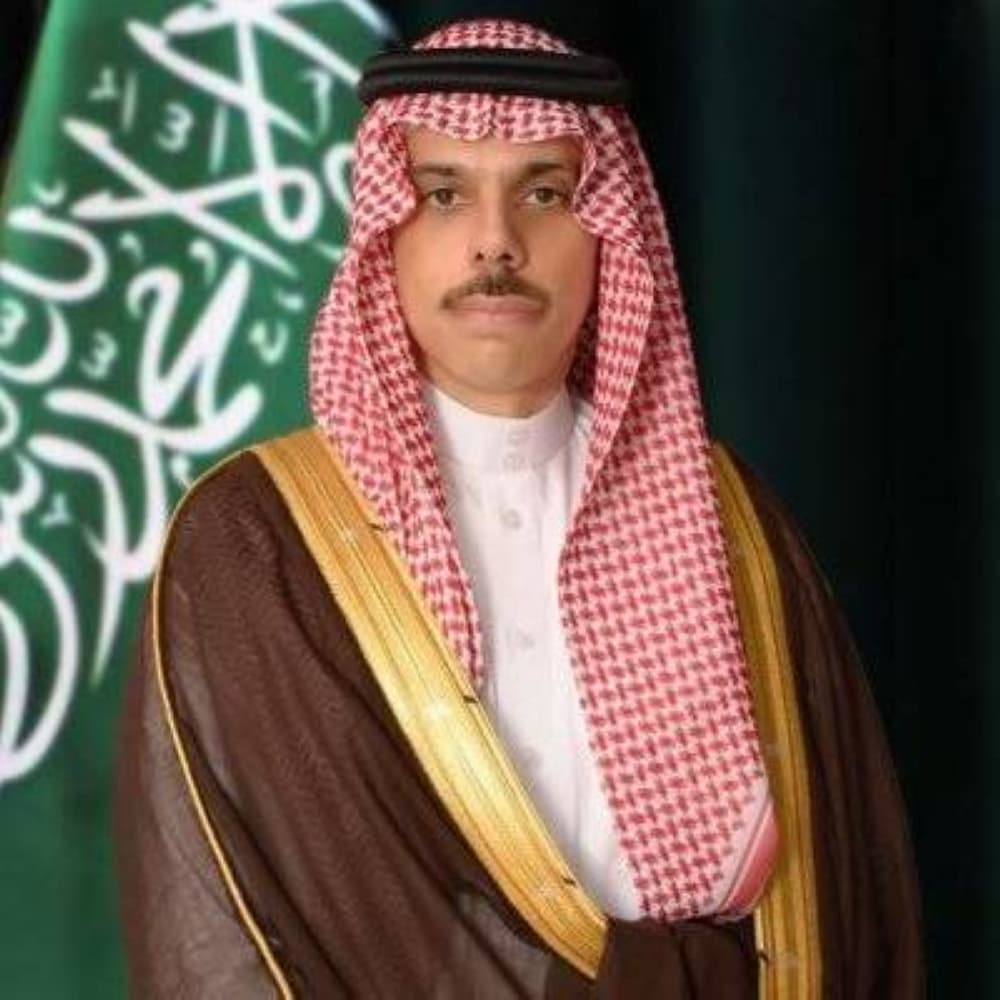
Here's what it means for you.
Stabilizing tensions in the Middle East could protect trade routes and bolster investor confidence in Dubai's economy.
Why it matters
The Quadrilateral Ministerial Meeting signals a coordinated diplomatic effort to address escalating conflicts that could impact global markets and regional stability.
What happened (in 30 seconds)
- The Quadrilateral Ministerial Meeting took place in Islamabad on March 29–30, 2026, involving foreign ministers from Pakistan, Saudi Arabia, Egypt, and Türkiye.
- Discussions focused on de-escalation strategies amid the ongoing US-Israel-Iran conflict, with Pakistan facilitating indirect communications between the US and Iran.
- No joint communiqué was issued, but participants reaffirmed their commitment to coordinated peace efforts in the region.
The context you actually need
- The quadrilateral mechanism was established on March 19, 2026, to enhance defense cooperation and evolve into a diplomatic channel for conflict resolution.
- Pakistan's mediation role is critical, as it relays a 15-point US framework to Iran, indicating potential pathways for negotiations.
- International endorsements from the UN Secretary-General and other nations highlight the meeting's significance in fostering regional stability.
What's really happening
The Quadrilateral Ministerial Meeting in Islamabad represents a strategic pivot in the Middle East, where escalating tensions between the US, Israel, and Iran have created a precarious security environment. The ongoing conflict has implications not only for regional players but also for global markets, particularly oil supply routes that are vital for economies like Dubai's.
Pakistan's role as a mediator is pivotal. By facilitating indirect communications between the US and Iran, it has positioned itself as a key player in the diplomatic landscape. The 15-point framework presented to Iran reflects a structured approach to negotiations, aiming to de-escalate tensions that have persisted for over a month. This framework is under Iranian review, indicating a willingness to engage in dialogue, albeit cautiously.
The shift of the meeting venue from Türkiye to Islamabad underscores Pakistan's growing diplomatic momentum in the region. The presence of foreign ministers from Saudi Arabia, Egypt, and Türkiye signifies a collective commitment to addressing security concerns and enhancing stability. While the absence of a publicized joint communiqué may raise questions about the outcomes, the reaffirmation of coordinated efforts for peace suggests a unified front among these nations.
The implications of this meeting extend beyond immediate diplomatic engagements. For Dubai and the broader UAE, the stabilization of the Persian Gulf is crucial. The region's oil supply routes, particularly through the Strait of Hormuz, are essential for trade and energy sectors. Any disruption in these routes could lead to increased oil prices and economic instability, affecting everything from consumer prices to investment flows.
Moreover, the emphasis on diplomatic paths reinforces stability signals amid ongoing conflict. Investors are likely to respond positively to these developments, as reduced risks in the region could enhance investor confidence and support the UAE's economic diversification efforts. As the situation evolves, the outcomes of these diplomatic engagements will be closely monitored, with potential ripple effects felt across various sectors.
Who feels it first (and how)
- Investors in Dubai: Increased confidence in regional stability may lead to higher investment inflows.
- Energy sector stakeholders: Oil supply stability directly impacts pricing and market dynamics.
- Trade businesses: Secure trade routes through the Persian Gulf are essential for operational continuity.
What to watch next
- US-Iran negotiations: The progress of the 15-point framework could indicate a shift towards direct talks, impacting regional dynamics.
- Market reactions: Monitor oil prices and stock market trends in response to developments in the US-Israel-Iran conflict.
- Regional diplomatic engagements: Future meetings among Middle Eastern nations could signal further collaborative efforts for peace.
The Quadrilateral Meeting took place and involved key regional players.
Continued diplomatic efforts will emerge as nations seek to stabilize the region.
The immediate impact on oil prices and market stability remains to be seen.
Frequently Asked Questions
- Why it matters?
- The Quadrilateral Ministerial Meeting signals a coordinated diplomatic effort to address escalating conflicts that could impact global markets and regional stability.
- What happened (in 30 seconds)?
- The Quadrilateral Ministerial Meeting took place in Islamabad on March 29–30, 2026, involving foreign ministers from Pakistan, Saudi Arabia, Egypt, and Türkiye. Discussions focused on de-escalation strategies amid the ongoing US-Israel-Iran conflict, with Pakistan facilitating indirect communications between the US and Iran. No joint communiqué was issued, but participants reaffirmed their commitment to coordinated peace efforts in the region.
- What's really happening?
- The Quadrilateral Ministerial Meeting in Islamabad represents a strategic pivot in the Middle East, where escalating tensions between the US, Israel, and Iran have created a precarious security environment. The ongoing conflict has implications not only for regional players but also for global markets, particularly oil supply routes that are vital for economies like Dubai's. Pakistan's role as a mediator is pivotal. By facilitating indirect communications between the US and Iran, it has positio
- Who feels it first (and how)?
- Investors in Dubai: Increased confidence in regional stability may lead to higher investment inflows. Energy sector stakeholders: Oil supply stability directly impacts pricing and market dynamics. Trade businesses: Secure trade routes through the Persian Gulf are essential for operational continuity.
- What to watch next?
- US-Iran negotiations: The progress of the 15-point framework could indicate a shift towards direct talks, impacting regional dynamics. Market reactions: Monitor oil prices and stock market trends in response to developments in the US-Israel-Iran conflict. Regional diplomatic engagements: Future meetings among Middle Eastern nations could signal further collaborative efforts for peace.
Arabic-language coverage of Saudi, regional, and international affairs.
"Al Bilad offers mainstream Saudi newspaper coverage across domestic and broader Arab topics."
— A47 Editor
ناقش بمشاركة وزير الخارجية تكثيف الجهود الدبلوماسية.. «وزاري رباعي» يبحث احتواء أزمة المنطقة
A quadrilateral ministerial meeting was held in Islamabad, Pakistan, focusing on regional developments and the need for enhanced diplomatic efforts to contain the ongoing crisis and promote regional security and stability. The meeting included partic...
Arabic-language reporting focused on domestic developments in Saudi Arabia.
"Okaz is a mainstream Saudi newspaper that often reflects domestic priorities and official-facing coverage."
— A47 Editor
فيصل بن فرحان يناقش مع نظيريه المصري والباكستاني جهود دعم استقرار المنطقة
Saudi Foreign Minister Prince Faisal bin Farhan participated in a quadrilateral ministerial meeting in Islamabad, alongside his counterparts from Pakistan, Egypt, and Turkey. The discussions focused on regional developments, emphasizing the need for ...
Arabic-language coverage of political affairs and current events.
"Okaz political coverage typically follows mainstream Saudi framing on national and regional affairs."
— A47 Editor
اجتماع باكستان يشدد على خفض التصعيد ويدعو لتغليب الدبلوماسية والحوار
Foreign ministers from Egypt, Saudi Arabia, Turkey, and Pakistan convened in Islamabad to discuss strategies for de-escalation and promoting diplomacy amid the ongoing tensions related to the Iran conflict. They assessed the severe economic repercuss...
Coverage of political affairs and regional developments from a Saudi perspective.
"Al Watan political coverage typically follows a mainstream Saudi framing of regional and national issues."
— A47 Editor
وزير الخارجية يصل إلى إسلام آباد للمشاركة في الاجتماع الوزاري الرباعي
Prince Faisal bin Farhan Al Saud, the Minister of Foreign Affairs of Saudi Arabia, arrived in Islamabad today to participate in the quadrilateral ministerial meeting involving Saudi Arabia, Pakistan, Egypt, and Turkey. The meeting aims to discuss reg...