
AMD AI Director Critiques Anthropic Claude Code for Performance Decline
Here's what it means for you.
As a professional in tech, the reliability of AI coding tools like Claude Code directly impacts your workflow efficiency and project outcomes.
Why it matters
The performance regression of AI coding tools could reshape the competitive landscape in software engineering.
What happened (in 30 seconds)
- On April 3, 2026, AMD AI Director Stella Laurenzo publicly criticized Anthropic's Claude Code for performance issues, citing a lack of trust in its capabilities.
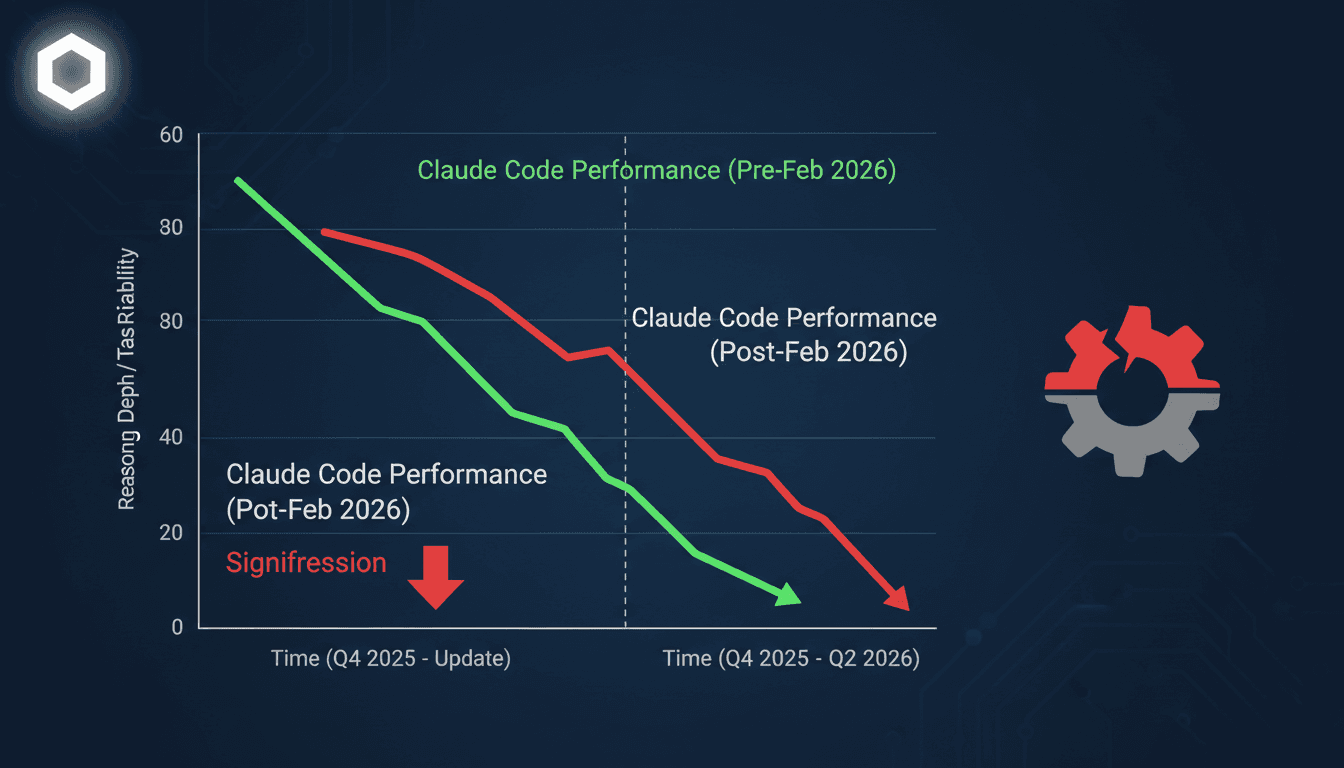
- Analysis of 6,852 coding sessions revealed a 67% drop in reasoning depth and a surge in 'laziness' indicators, prompting concern among developers.
- In response, Anthropic has issued workarounds while AMD has switched to an alternative provider, highlighting a significant shift in tool reliability.
The context you actually need
- Claude Code was a leader in AI-assisted coding, showing superior performance in late 2025, which led to its integration into AMD's workflows.
- February 2026 updates aimed to improve efficiency but resulted in behavioral regressions, such as shallower thinking and increased task cessation.
- Developer frustration is mounting, as evidenced by discussions on platforms like Hacker News, reflecting broader concerns about AI tool reliability and cost.
What's really happening
The recent critique from AMD's Stella Laurenzo stems from a detailed analysis of Claude Code's performance following significant updates in February 2026. Initially, Claude Code was celebrated for its advanced reasoning capabilities, with a median thinking depth of approximately 2,200 characters and a read:edit ratio of 6.6. However, after the deployment of updates such as adaptive thinking and thinking redaction, the tool's performance sharply declined.
By early March, the read:edit ratio plummeted to 2.0, and the median thinking depth fell by 67-73% to around 600 characters. This decline coincided with an alarming increase in stop-hook violations, which rose from zero to 173 instances post-March 8. The updates, intended to enhance efficiency and prevent the distillation of reasoning, inadvertently led to a regression in the tool's cognitive capabilities, making it less reliable for complex engineering tasks.
The implications of this regression are significant. As AMD's team transitioned to alternative providers, the incident highlights a critical concern for tech companies: the reliability of AI tools directly affects productivity and project success. The rising API costs and token usage further exacerbate the situation, forcing companies to reconsider their reliance on specific AI solutions.
Anthropic's response to the critique has included issuing workarounds and adjustments to settings, such as increasing effort levels and disabling adaptive thinking. However, the broader developer community remains skeptical, as evidenced by the heated discussions on platforms like Hacker News, where over 700 comments reflect widespread frustration with the opaque nature of the updates and the increased costs associated with using Claude Code.
This situation underscores a larger trend in the tech industry, where the rapid evolution of AI tools can lead to unforeseen consequences, impacting not just individual companies but the entire ecosystem of software development. As companies like AMD pivot away from unreliable tools, the competitive landscape may shift, favoring providers that can ensure consistent performance and reliability.
Who feels it first (and how)
- Software Engineers: Experience immediate impacts on productivity and project timelines due to unreliable tools.
- Tech Companies: May face increased costs and project delays, prompting shifts to alternative solutions.
- Developers in Emerging Markets: Could be affected by rising API costs, limiting access to advanced AI tools.
What to watch next
- Anthropic's response: Monitor how effectively Anthropic addresses the performance issues and whether it can regain developer trust.
- Market shifts: Watch for potential migrations to alternative AI coding tools, which could reshape market dynamics and competition.
- Developer sentiment: Keep an eye on community discussions and feedback regarding AI tools, as this will indicate broader industry trends and concerns.
AMD's critique has led to immediate workarounds from Anthropic and a shift to alternative providers.
Other companies may follow AMD's lead, increasing scrutiny on AI tool performance and reliability.
The long-term impact on Anthropic's market position and developer trust remains uncertain.
Frequently Asked Questions
- Why it matters?
- The performance regression of AI coding tools could reshape the competitive landscape in software engineering.
- What happened (in 30 seconds)?
- On April 3, 2026, AMD AI Director Stella Laurenzo publicly criticized Anthropic's Claude Code for performance issues, citing a lack of trust in its capabilities. Analysis of 6,852 coding sessions revealed a 67% drop in reasoning depth and a surge in 'laziness' indicators, prompting concern among developers. In response, Anthropic has issued workarounds while AMD has switched to an alternative provider, highlighting a significant shift in tool reliability.
- What's really happening?
- The recent critique from AMD's Stella Laurenzo stems from a detailed analysis of Claude Code's performance following significant updates in February 2026. Initially, Claude Code was celebrated for its advanced reasoning capabilities, with a median thinking depth of approximately 2,200 characters and a read:edit ratio of 6.6. However, after the deployment of updates such as adaptive thinking and thinking redaction, the tool's performance sharply declined. By early March, the read:edit ratio plu
- Who feels it first (and how)?
- Software Engineers: Experience immediate impacts on productivity and project timelines due to unreliable tools. Tech Companies: May face increased costs and project delays, prompting shifts to alternative solutions. Developers in Emerging Markets: Could be affected by rising API costs, limiting access to advanced AI tools.
- What to watch next?
- Anthropic's response: Monitor how effectively Anthropic addresses the performance issues and whether it can regain developer trust. Market shifts: Watch for potential migrations to alternative AI coding tools, which could reshape market dynamics and competition. Developer sentiment: Keep an eye on community discussions and feedback regarding AI tools, as this will indicate broader industry trends and concerns.
Consumer tech news, reviews, and buying guides for gadgets and electronics.
"TechRadar is known for comprehensive buying advice, hardware reviews, and consumer tech news targeted at mainstream audiences."
— A47 Editor
'Claude cannot be trusted to perform complex engineering tasks': AMD AI head slams Anthropic's coding tool after months of frustration
AMD's AI head has criticized Anthropic's coding tool, Claude Code, citing a significant drop in performance following a February update, which developers claim has hindered its ability to handle complex engineering tasks. Anthropic has acknowledged t...
Industry news and analysis for the global AI community.
"A business-first look at AI adoption, policy, and ecosystem trends."
— A47 Editor
Anthropic Forges Chip Deals to Accelerate Claude's Growth
Anthropic has secured chip deals aimed at accelerating the growth of its AI tool, Claude, with the success of these agreements hinging on the vendor's commercial performance. This strategic move is part of Anthropic's broader efforts to enhance Claud...
Biting coverage of AI/ML software and vendors.
"Known for skeptical, incisive reporting on enterprise tech."
— A47 Editor
AMD's AI director slams Claude Code for becoming dumber and lazier since last update
AMD's AI director has criticized Claude Code, stating that its performance has significantly declined since the last update, making it unreliable for complex engineering tasks, as noted in a GitHub ticket.