
NATO Secretary-General Rutte Addresses Trump's Frustration Over Delayed Support in U.S.-Iran Conflict
Here's what it means for you.
If you're in the global oil market or rely on stable energy prices, this situation could directly impact your costs and investment strategies.
Why it matters
The NATO allies' slow response to U.S. requests during the U.S.-Iran conflict raises questions about the alliance's cohesion and its implications for global security.
What happened (in 30 seconds)
- On April 9, 2026, NATO Secretary-General Mark Rutte acknowledged U.S. President Donald Trump's frustration with NATO allies for their delayed support during the U.S.-Israel war against Iran.
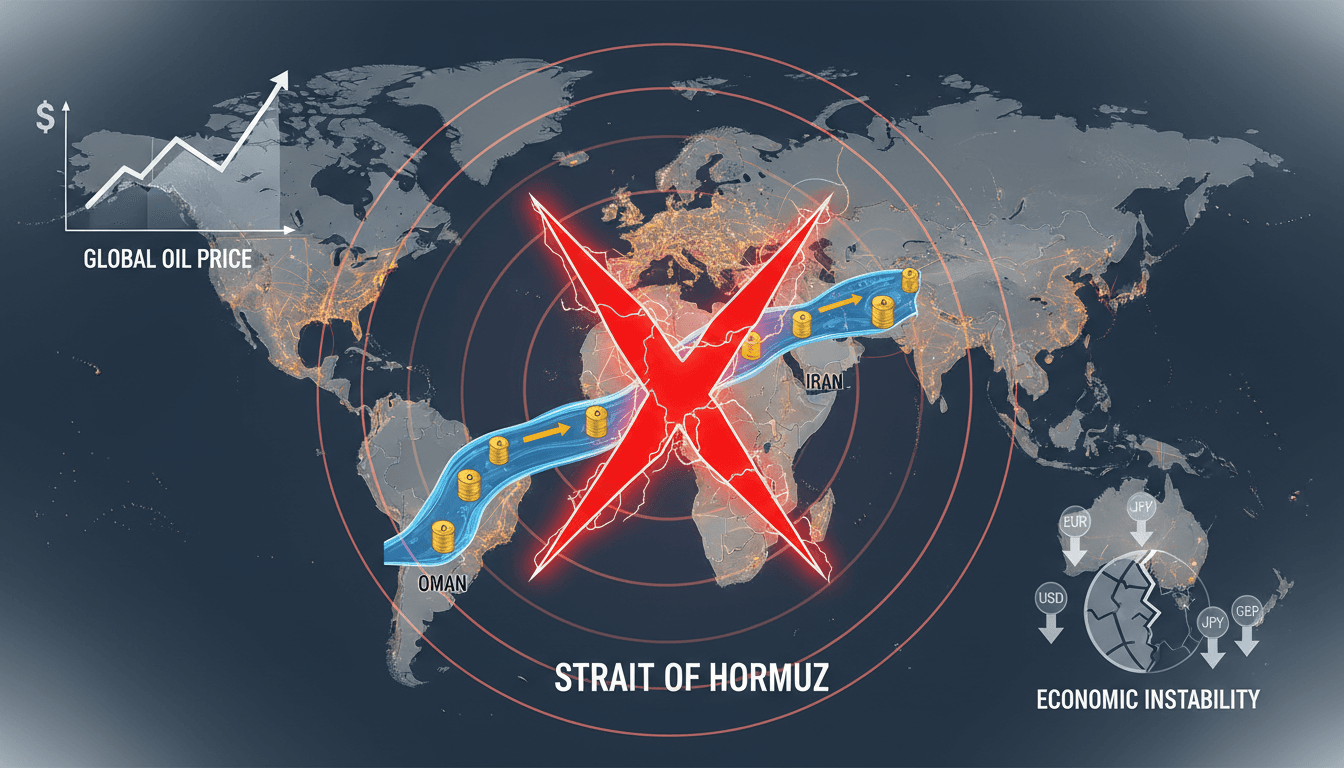
- The conflict began on February 28, 2026, when the U.S. and Israel launched airstrikes against Iran, prompting Iran to close the Strait of Hormuz, disrupting 20% of global oil shipments.
- Rutte urged NATO members to accelerate their commitments to secure the Strait of Hormuz, amid Trump's threats to exit the alliance due to perceived inaction.
The context you actually need
- The U.S.-Israel war against Iran has significant geopolitical implications, especially for energy security, as the Strait of Hormuz is a critical chokepoint for oil shipments.
- NATO's Article 5 was not invoked, leading to hesitance among European allies to fully engage in what many perceived as a U.S.-initiated offensive.
- Trump's criticism of NATO reflects longstanding tensions regarding defense spending and the expectations of U.S. leadership within the alliance.
What's really happening
The U.S.-Israel war against Iran, which began with airstrikes on February 28, 2026, has escalated into a complex geopolitical crisis with far-reaching implications. The immediate trigger for NATO Secretary-General Mark Rutte's comments was the logistical strain faced by the U.S. military as it sought rapid support from its NATO allies for securing the vital Strait of Hormuz, a key passage for global oil shipments. The closure of this strait by Iran disrupted approximately 20% of the world's oil supply, leading to a spike in oil prices and heightened global economic uncertainty.
Rutte's acknowledgment of Trump's disappointment highlights a critical moment in transatlantic relations. The U.S. military's decision to launch strikes without prior consultation with NATO allies was intended to maintain operational secrecy, but it backfired by creating a perception of unilateralism. This has exacerbated existing frictions rooted in defense spending disputes, where Trump has long criticized European allies for not meeting their NATO commitments. The situation underscores a significant shift in the dynamics of international alliances, where the expectations of collective defense are being tested against the backdrop of unilateral military actions.
The reluctance of NATO allies to engage fully in the conflict stems from a combination of political, military, and economic factors. Countries like Spain and France have maintained restrictions on support, reflecting a cautious approach to involvement in what is perceived as a U.S.-initiated conflict. This hesitance is compounded by the fear of escalation and the potential for broader regional instability, which could have dire consequences for European security.
As the situation evolves, the fragility of the U.S.-Iran ceasefire remains a critical concern. The recent commitments from European allies for additional logistical support indicate a recognition of the need for a united front, but the ongoing tensions and differing national interests complicate the path forward. The U.S. administration's disappointment with NATO's initial response may lead to further calls for reform within the alliance, as well as a reevaluation of the U.S.'s role in global security.
Who feels it first (and how)
- Energy Sector: Companies reliant on stable oil prices face increased costs and volatility due to disruptions in the Strait of Hormuz.
- European Governments: Political leaders in NATO countries must navigate public sentiment regarding defense spending and military commitments.
- Consumers: Individuals in regions dependent on oil imports may experience rising fuel prices and inflationary pressures.
What to watch next
- NATO's Response: Monitor how NATO members adjust their commitments and support in response to ongoing U.S. demands and regional instability.
- Oil Prices: Keep an eye on fluctuations in Brent crude prices, which could signal broader economic impacts stemming from the conflict.
- U.S.-Iran Relations: Watch for developments in the fragile ceasefire and potential diplomatic efforts to stabilize the situation.
The closure of the Strait of Hormuz disrupts 20% of global oil shipments.
NATO will face increased pressure to unify its response to future conflicts involving member states.
The long-term implications for U.S.-NATO relations and the future of collective defense commitments.
Frequently Asked Questions
- Why it matters?
- The NATO allies' slow response to U.S. requests during the U.S.-Iran conflict raises questions about the alliance's cohesion and its implications for global security.
- What happened (in 30 seconds)?
- On April 9, 2026, NATO Secretary-General Mark Rutte acknowledged U.S. President Donald Trump's frustration with NATO allies for their delayed support during the U.S.-Israel war against Iran. The conflict began on February 28, 2026, when the U.S. and Israel launched airstrikes against Iran, prompting Iran to close the Strait of Hormuz, disrupting 20% of global oil shipments. Rutte urged NATO members to accelerate their commitments to secure the Strait of Hormuz, amid Trump's threats to exit the a
- What's really happening?
- The U.S.-Israel war against Iran, which began with airstrikes on February 28, 2026, has escalated into a complex geopolitical crisis with far-reaching implications. The immediate trigger for NATO Secretary-General Mark Rutte's comments was the logistical strain faced by the U.S. military as it sought rapid support from its NATO allies for securing the vital Strait of Hormuz, a key passage for global oil shipments. The closure of this strait by Iran disrupted approximately 20% of the world's oil
- Who feels it first (and how)?
- Energy Sector: Companies reliant on stable oil prices face increased costs and volatility due to disruptions in the Strait of Hormuz. European Governments: Political leaders in NATO countries must navigate public sentiment regarding defense spending and military commitments. Consumers: Individuals in regions dependent on oil imports may experience rising fuel prices and inflationary pressures.
- What to watch next?
- NATO's Response: Monitor how NATO members adjust their commitments and support in response to ongoing U.S. demands and regional instability. Oil Prices: Keep an eye on fluctuations in Brent crude prices, which could signal broader economic impacts stemming from the conflict. U.S.-Iran Relations: Watch for developments in the fragile ceasefire and potential diplomatic efforts to stabilize the situation.
News from the United States including domestic politics, society, and culture.
"Global News is a mainstream Canadian media outlet generally considered to have a centrist editorial stance, covering news with a focus on factual reporting and national interest."
— A47 Editor
NATO chief says he understands Trump’s ‘disappointment’ with allies on Iran
NATO Secretary-General Mark Rutte expressed understanding of President Trump's disappointment with NATO allies regarding their support in the ongoing conflict in Iran, while also voicing support for U.S. military actions. This acknowledgment came dur...
International coverage of politics, security, and social issues.
"Global News is a mainstream Canadian outlet with a centrist editorial stance, focusing on factual reporting."
— A47 Editor
NATO chief says he understands Trump’s ‘disappointment’ with allies on Iran
NATO Secretary-General Mark Rutte expressed understanding of President Trump's disappointment with NATO allies regarding their support in the ongoing conflict in Iran, while also voicing support for U.S. military actions. This acknowledgment came dur...
International news, politics, and culture.
"Sky News is a UK-based 24-hour channel known for fast-breaking news and political coverage."
— A47 Editor
Trump hits out at NATO after meeting alliance chief
Donald Trump has reiterated his criticism of NATO following a meeting with Secretary General Mark Rutte in Washington, expressing dissatisfaction with the alliance's lack of support for U.S. military operations in Iran. Trump conveyed his disappointm...
European current affairs, EU politics, and regional developments.
"France 24 is viewed as a globally focused outlet with balanced coverage and a European perspective."
— A47 Editor
Trump meets NATO’s Rutte as US weighs exit over Iran war
U.S. President Donald Trump met with NATO Secretary-General Mark Rutte to discuss the alliance's future amid Trump's dissatisfaction with NATO allies' refusal to support U.S. military operations against Iran. This meeting reflects Trump's growing fru...
English-language news from Qatar covering domestic and regional affairs.
"Gulf Times reflects Qatari perspectives on regional developments."
— A47 Editor
‘Trump meeting with Rutte to decide on Nato withdrawal’
US President Donald Trump is scheduled to meet with NATO chief Mark Rutte to discuss the potential withdrawal of the United States from NATO, amid accusations that allies are not sufficiently supporting military efforts against Iran. This meeting ref...