
U.S. President Trump Issues Ultimatum to Iran Over Strait of Hormuz Amid Market Turmoil
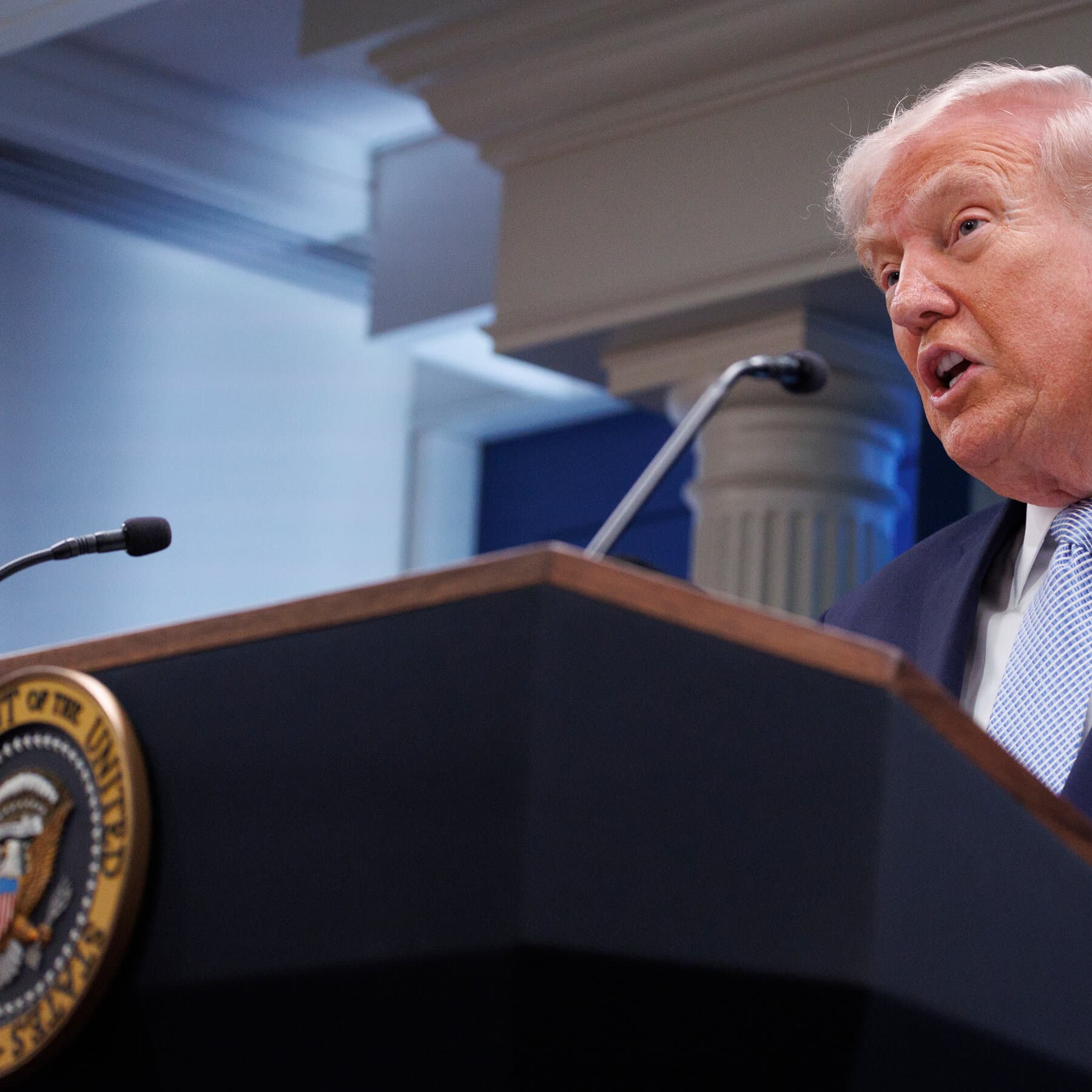
Here's what it means for you.
If you’re involved in global trade or energy markets, the recent volatility could impact your costs and investment strategies.
Why it matters
The Strait of Hormuz is a critical chokepoint for global oil supply, and disruptions can have immediate and far-reaching effects on energy prices and market stability.
What happened (in 30 seconds)
- On April 7, 2026, U.S. President Donald Trump issued an ultimatum to Iran regarding the reopening of the Strait of Hormuz, threatening military action.
- Oil prices surged, with Brent crude exceeding $110 per barrel, as investors reacted to potential supply disruptions.
- A ceasefire was announced just hours before the deadline, leading to a sharp reversal in oil prices and a recovery in global equity markets.
The context you actually need
- The Strait of Hormuz is vital for global oil shipments, accounting for approximately 20% of the world's oil supply.
- The ultimatum followed a five-week conflict involving the U.S. and Israel against Iran, during which Iran had enforced a blockade.
- Market reactions included a significant sell-off in equities and a spike in gasoline prices, reflecting investor anxiety over potential military conflict.
What's really happening
The ultimatum issued by President Trump on April 7, 2026, was a culmination of escalating tensions between the U.S. and Iran, driven by a five-week conflict that saw Iran block the Strait of Hormuz. This strategic waterway is crucial for global oil transport, and any disruption can lead to immediate price hikes and market instability. The U.S. has a vested interest in maintaining open shipping lanes, as a significant portion of its energy supply and that of its allies flows through this route.
When Trump set a deadline for Iran to reopen the Strait, it sent shockwaves through the financial markets. Investors reacted swiftly, driving Brent crude prices above $110 per barrel and West Texas Intermediate (WTI) crude to $115. This reaction was not just about the immediate threat; it reflected deep-seated fears about the potential for military escalation and its implications for global energy supply. The spike in oil prices also led to increased gasoline prices, with U.S. consumers facing costs of $4.14 per gallon.
However, just hours before the ultimatum's deadline, a ceasefire was announced, allowing for a partial reopening of the Strait. This sudden de-escalation led to a rapid decline in oil prices, with Brent crude dropping below $100 per barrel shortly thereafter. The S&P 500 index gained 2.7%, and the Dow Jones surged by over 1,300 points, showcasing the market's relief at the avoidance of conflict.
The underlying mechanism here is the interplay between geopolitical tensions and market psychology. Investors are acutely aware that any military action could lead to sustained disruptions in oil supply, which would not only affect energy prices but also ripple through various sectors of the economy. The swift recovery in equity markets post-ceasefire indicates that investors are closely monitoring geopolitical developments and are quick to react to signs of de-escalation.
Moreover, the situation highlights the fragility of global markets in the face of geopolitical risks. Analysts from firms like JPMorgan Chase have projected that if the Strait remained closed, U.S. gasoline prices could exceed $5 per gallon, further emphasizing the stakes involved. The recent events serve as a reminder that geopolitical dynamics can have immediate and profound impacts on global markets, influencing everything from energy costs to stock valuations.
Who feels it first (and how)
- Energy sector: Companies involved in oil production and distribution face immediate impacts on pricing and supply chains.
- Investors: Stock market fluctuations affect portfolios, especially those heavily invested in energy or related sectors.
- Consumers: Rising gasoline prices directly impact household budgets, particularly for those in lower-income brackets who spend a larger portion of their income on fuel.
- Global trade: Businesses reliant on oil for shipping and logistics may see increased costs passed down the supply chain.
What to watch next
- Future U.S.-Iran negotiations: Continued diplomatic efforts will be crucial in determining whether tensions escalate or stabilize, impacting market confidence.
- Oil price trends: Watch for fluctuations in crude oil prices as they reflect ongoing geopolitical developments and market sentiment.
- Consumer price indices: Rising fuel costs can lead to broader inflationary pressures, affecting consumer spending and economic growth.
The Strait of Hormuz is a critical chokepoint for global oil supply.
Continued volatility in oil prices as geopolitical tensions fluctuate.
The long-term effects of the recent ceasefire on U.S.-Iran relations and global market stability.
Frequently Asked Questions
- Why it matters?
- The Strait of Hormuz is a critical chokepoint for global oil supply, and disruptions can have immediate and far-reaching effects on energy prices and market stability.
- What happened (in 30 seconds)?
- On April 7, 2026, U.S. President Donald Trump issued an ultimatum to Iran regarding the reopening of the Strait of Hormuz, threatening military action. Oil prices surged, with Brent crude exceeding $110 per barrel, as investors reacted to potential supply disruptions. A ceasefire was announced just hours before the deadline, leading to a sharp reversal in oil prices and a recovery in global equity markets.
- What's really happening?
- The ultimatum issued by President Trump on April 7, 2026, was a culmination of escalating tensions between the U.S. and Iran, driven by a five-week conflict that saw Iran block the Strait of Hormuz. This strategic waterway is crucial for global oil transport, and any disruption can lead to immediate price hikes and market instability. The U.S. has a vested interest in maintaining open shipping lanes, as a significant portion of its energy supply and that of its allies flows through this route.
- Who feels it first (and how)?
- Energy sector: Companies involved in oil production and distribution face immediate impacts on pricing and supply chains. Investors: Stock market fluctuations affect portfolios, especially those heavily invested in energy or related sectors. Consumers: Rising gasoline prices directly impact household budgets, particularly for those in lower-income brackets who spend a larger portion of their income on fuel. Global trade: Businesses reliant on oil for shipping and logistics may see increased cost
- What to watch next?
- Future U.S.-Iran negotiations: Continued diplomatic efforts will be crucial in determining whether tensions escalate or stabilize, impacting market confidence. Oil price trends: Watch for fluctuations in crude oil prices as they reflect ongoing geopolitical developments and market sentiment. Consumer price indices: Rising fuel costs can lead to broader inflationary pressures, affecting consumer spending and economic growth.
Stock market news, investing ideas, and trading analysis.
"TheStreet provides market news and retail-investor-focused analysis."
— A47 Editor
Trump’s Iran speech puts drivers on edge
President Trump has issued a stark ultimatum to Iran, demanding the reopening of the Strait of Hormuz by 8:00 p.m. ET on Tuesday, amidst rising tensions and uncertainty regarding U.S.-Iran relations. This situation has led to increased volatility in ...
Markets desk coverage, trading insights, and investor updates.
"WSJ’s markets reporting provides in-depth analysis and context for investors."
— A47 Editor
Traders Are Racing to Place Their Bets Ahead of Trump’s Iran Deadline
Investors are bracing for potential outcomes as President Trump has set a deadline for Iran to reopen the Strait of Hormuz, a crucial maritime route for global oil shipments, by 8:00 p.m. ET on Tuesday. This ultimatum has led to increased volatility ...
Markets, economy, and company analysis from NYT’s business desk.
"The New York Times is a globally recognized newspaper offering authoritative reporting with a center-left editorial stance."
— A47 Editor
Markets on Edge as Trump’s Iran Ultimatum Looms
Oil prices are rising and stock markets are experiencing volatility as President Trump intensifies threats against Iran, warning of severe consequences if his demands are not met. Investors are reacting to the uncertainty surrounding potential milita...
Business, markets, economy, and corporate news with strong UAE and regional relevance.
"Emirates 24|7 business coverage tends to center UAE markets, property, regulation, and regional economic developments."
— A47 Editor
Oil prices climb as Hormuz stays shut ahead of Trump deadline Oil prices climb as Hormuz stays shut ahead of Trump deadline
Oil prices surged on Tuesday as tensions escalated following U.S. President Donald Trump's ultimatum to Iran, demanding the reopening of the Strait of Hormuz by a specified deadline or face military action. Brent crude futures rose by 1.6% to $111.51...
Corporate news, economic trends, and markets with UK and global scope.
"BBC News is widely regarded as reputable and impartial, with a public service mandate."
— A47 Editor
Trump's deadline looms but Asian nations already have deals with Iran
President Donald Trump has set a final deadline of 8:00 p.m. ET on Tuesday for Iran to reopen the Strait of Hormuz, a critical maritime route for global oil shipments. This ultimatum comes amid escalating tensions and military threats, with Asian nat...