
MZLA Technologies Releases Thunderbolt Open-Source AI Client Focusing on Data Sovereignty
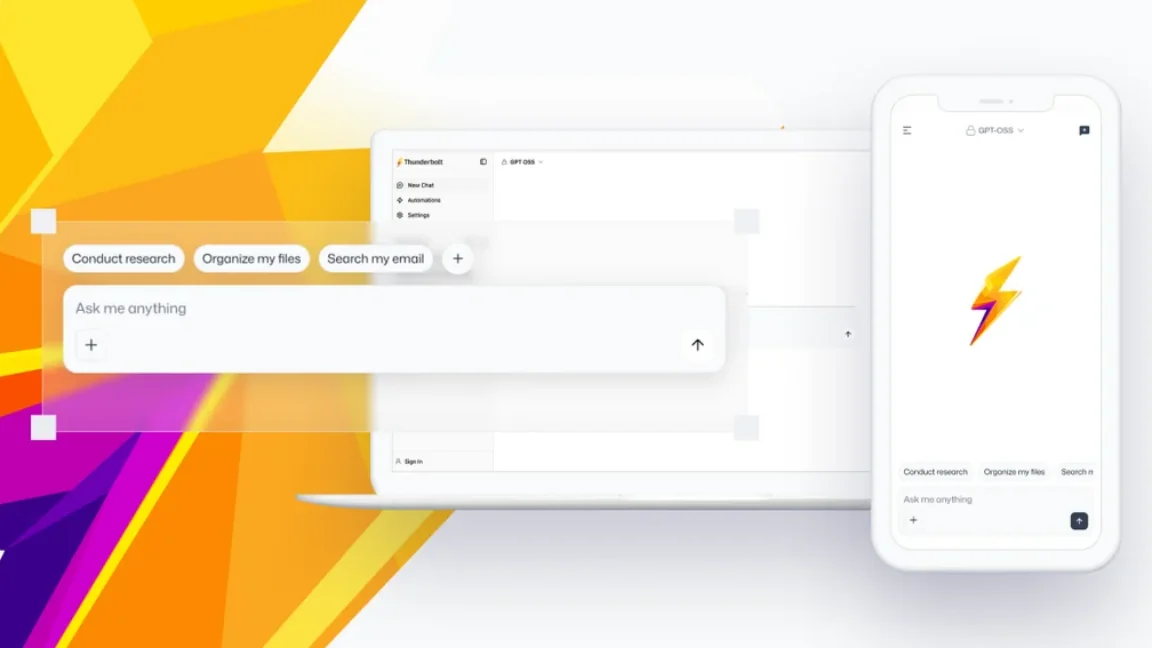
Here's what it means for you.
As organizations seek to maintain control over their data, the launch of Thunderbolt offers a compelling alternative to proprietary AI solutions.
Why it matters
The emergence of self-hosted AI solutions like Thunderbolt signals a shift towards greater data sovereignty and independence from major tech vendors.
What happened (in 30 seconds)
- MZLA Technologies launched the Thunderbolt AI client on April 16, 2026, focusing on self-hosted infrastructure.
- Thunderbolt is an open-source platform that integrates with existing frameworks and supports multiple AI models.
- The launch has been positively received in tech media, highlighting its potential as a viable alternative to proprietary AI services.
The context you actually need
- MZLA Technologies is a subsidiary of the Mozilla Foundation, known for its commitment to open-source initiatives.
- Thunderbolt aims to address enterprise concerns over data privacy and dependency on cloud providers amid rising adoption of proprietary AI tools.
- The platform supports self-hosting via Docker or Kubernetes, allowing organizations to maintain control over their AI infrastructure.
What's really happening
On April 16, 2026, MZLA Technologies unveiled Thunderbolt, an open-source AI client designed to empower organizations with self-hosted capabilities. This launch is part of a broader trend towards decentralization in the tech industry, where companies are increasingly wary of vendor lock-in and data privacy issues associated with proprietary AI solutions like Microsoft Copilot and ChatGPT Enterprise.
Thunderbolt is built on deepset's Haystack framework, which facilitates AI orchestration, and it supports multiple models through OpenAI-compatible APIs. This flexibility allows organizations to tailor their AI solutions to specific needs without being tethered to a single vendor. The platform's architecture supports deployment via Docker or Kubernetes, making it accessible for various IT environments.
The decision to focus on self-hosted infrastructure is a strategic response to growing enterprise concerns about data sovereignty. As organizations face stricter regulations regarding data privacy and security, the ability to self-host AI solutions becomes increasingly attractive. Thunderbolt's open-source nature means that organizations can customize the software to meet their specific compliance requirements, ensuring that sensitive data remains within their control.
The initial reception of Thunderbolt has been positive, with tech media outlets portraying it as a viable alternative to proprietary platforms. Enthusiastic responses on social media highlight the platform's potential to disrupt the current AI landscape dominated by major tech companies. MZLA CEO Ryan Sipes has positioned Thunderbolt as part of a "rebel alliance" against Big Tech, emphasizing the importance of data control and independence.
As the demand for AI solutions continues to grow, Thunderbolt's launch could catalyze a shift in how organizations approach AI deployment. By providing a self-hosted option, MZLA Technologies is not only addressing immediate market needs but also fostering a more decentralized and open AI ecosystem. This could lead to increased competition among AI providers and ultimately benefit organizations seeking more control over their data and technology choices.
Who feels it first (and how)
- IT Departments: They will need to evaluate and implement self-hosted solutions, impacting their workflows and resource allocation.
- Data Privacy Officers: Increased focus on compliance and data sovereignty will drive demand for self-hosted AI solutions.
- Small to Medium Enterprises (SMEs): These organizations may benefit from reduced costs and increased control over their AI infrastructure.
- Developers: They will have new opportunities to contribute to and customize open-source AI projects.
What to watch next
- Adoption Rates: Monitor how quickly organizations begin to implement Thunderbolt and similar self-hosted solutions, as this will indicate market demand.
- Security Audits: Keep an eye on the outcomes of ongoing security audits for Thunderbolt, as these will affect its credibility and adoption.
- Enterprise Pilots: Watch for announcements regarding enterprise pilots and licensing, which will provide insights into how larger organizations are integrating Thunderbolt into their operations.
Thunderbolt is publicly available as an open-source platform.
Organizations will increasingly seek self-hosted AI solutions to maintain data sovereignty.
The long-term impact of Thunderbolt on the market share of proprietary AI services remains to be seen.
Frequently Asked Questions
- Why it matters?
- The emergence of self-hosted AI solutions like Thunderbolt signals a shift towards greater data sovereignty and independence from major tech vendors.
- What happened (in 30 seconds)?
- MZLA Technologies launched the Thunderbolt AI client on April 16, 2026, focusing on self-hosted infrastructure. Thunderbolt is an open-source platform that integrates with existing frameworks and supports multiple AI models. The launch has been positively received in tech media, highlighting its potential as a viable alternative to proprietary AI services.
- What's really happening?
- On April 16, 2026, MZLA Technologies unveiled Thunderbolt, an open-source AI client designed to empower organizations with self-hosted capabilities. This launch is part of a broader trend towards decentralization in the tech industry, where companies are increasingly wary of vendor lock-in and data privacy issues associated with proprietary AI solutions like Microsoft Copilot and ChatGPT Enterprise. Thunderbolt is built on deepset's Haystack framework, which facilitates AI orchestration, and it
- Who feels it first (and how)?
- IT Departments: They will need to evaluate and implement self-hosted solutions, impacting their workflows and resource allocation. Data Privacy Officers: Increased focus on compliance and data sovereignty will drive demand for self-hosted AI solutions. Small to Medium Enterprises (SMEs): These organizations may benefit from reduced costs and increased control over their AI infrastructure. Developers: They will have new opportunities to contribute to and customize open-source AI projects.
- What to watch next?
- Adoption Rates: Monitor how quickly organizations begin to implement Thunderbolt and similar self-hosted solutions, as this will indicate market demand. Security Audits: Keep an eye on the outcomes of ongoing security audits for Thunderbolt, as these will affect its credibility and adoption. Enterprise Pilots: Watch for announcements regarding enterprise pilots and licensing, which will provide insights into how larger organizations are integrating Thunderbolt into their operations.
Curated tech headlines including AI stories.
"Influential aggregator surfacing the day’s top tech/AI links."
— A47 Editor
Mozilla launches Thunderbolt, an open-source AI client for users and businesses who want to run their own self-hosted AI infrastructure, available on GitHub (Kyle Orland/Ars Technica)
Mozilla has launched Thunderbolt, an open-source AI client designed for users and businesses seeking to establish their own self-hosted AI infrastructure, now available on GitHub. This initiative marks Mozilla's entry into the enterprise AI market, a...
Biting coverage of AI/ML software and vendors.
"Known for skeptical, incisive reporting on enterprise tech."
— A47 Editor
Mozilla throws Thunderbolt at enterprise AI providers
Mozilla has launched an open-source alternative to enterprise AI platforms, targeting major players like OpenAI and Microsoft with its Thunderbolt AI client, which connects to deepset's Haystack platform. This initiative emphasizes data privacy and u...
In-depth reporting on tech, policy, and science including AI.
"Respected analysis for technically savvy readers, including AI topics."
— A47 Editor
Mozilla launches Thunderbolt AI client with focus on self-hosted infrastructure
Mozilla has launched the Thunderbolt AI client, which emphasizes self-hosted infrastructure and builds upon deepset's Haystack, aiming to create a decentralized open-source AI ecosystem. This new tool reflects Mozilla's commitment to enhancing user c...
In-depth coverage of hardware, software, science, and policy.
"Ars Technica provides expert technology news, hardware reviews, and analysis for a technically savvy audience."
— A47 Editor
Mozilla launches Thunderbolt AI client with focus on self-hosted infrastructure
Mozilla has launched the Thunderbolt AI client, which emphasizes self-hosted infrastructure and builds upon deepset's Haystack, aiming to create a decentralized open-source AI ecosystem. This new tool reflects Mozilla's commitment to enhancing user c...