
Trump Signals Imminent Iran Nuclear Deal with Potential Signing in Pakistan
Here's what it means for you.
If a nuclear deal is finalized, it could stabilize oil prices and shipping routes, directly impacting your cost of living and business operations.
Why it matters
The potential Iran nuclear deal could reshape geopolitical dynamics and economic conditions in the Middle East, affecting global markets.
What happened (in 30 seconds)
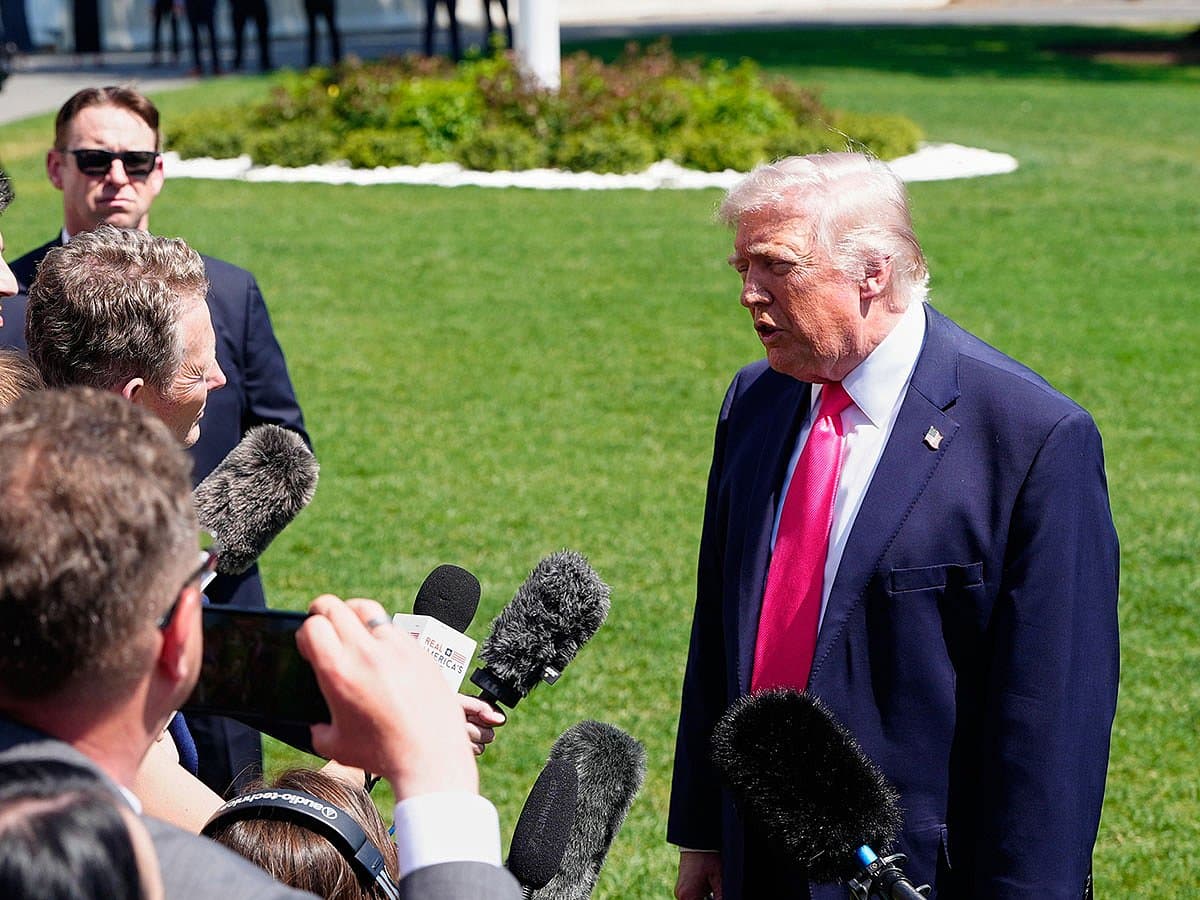
- On April 16, 2026, President Trump announced that a deal with Iran was "very close" and hinted at traveling to Pakistan for a signing.
- This follows a fragile ceasefire after a six-week US-Israeli military campaign against Iran, which resulted in over 2,000 deaths and significant regional tensions.
- Negotiations in Islamabad have been ongoing, with the US demanding nuclear disarmament while Iran seeks reparations and control over the Strait of Hormuz.
The context you actually need
- The US-Israeli military operation against Iran began on February 28, 2026, leading to a blockade of the Strait of Hormuz, disrupting 20% of global oil shipments.
- Preliminary talks in Oman failed, prompting a 21-hour negotiation session in Islamabad on April 11-12, which ended without agreement due to conflicting demands.
- Trump's optimism comes amid economic pressures in the UAE, where business leaders are advocating for a diplomatic resolution to stabilize the region.
What's really happening
The announcement by President Trump signals a critical juncture in US-Iran relations, which have been fraught with tension since the military operations began. The six-week conflict, which resulted in over 2,000 deaths, has not only escalated military tensions but also created significant economic repercussions, particularly in oil markets. The blockade of the Strait of Hormuz has disrupted global oil shipments, leading to increased prices and economic strain in oil-dependent regions, including the UAE.
The negotiations in Islamabad, mediated by Pakistan, reflect a complex interplay of regional politics. The US, represented by Vice President JD Vance, is pushing for stringent nuclear disarmament commitments from Iran, while Iran is focused on securing reparations and the release of assets frozen due to sanctions. The failure of the initial talks underscores the deep-seated mistrust between the two nations, yet Trump's declaration of being "very close" to a deal suggests that some concessions may be on the table.
The implications of a successful deal extend beyond immediate diplomatic relations. A de-escalation of tensions could lead to the reopening of the Strait of Hormuz, which is vital for global oil transport. This would likely stabilize oil prices, benefiting economies reliant on oil imports, including those in the UAE. Business leaders in Dubai have expressed concerns over the economic disruptions caused by the conflict, emphasizing the need for a resolution to restore stability.
Moreover, the potential signing of a deal in Pakistan highlights the country's emerging role as a mediator in regional conflicts, which could enhance its geopolitical standing. The involvement of Pakistani leaders, including Prime Minister Shehbaz Sharif and Army Chief Asim Munir, indicates a strategic pivot that may influence future diplomatic engagements in the region.
As the situation evolves, the focus will be on the next round of negotiations and whether both parties can bridge their differences. The stakes are high, not only for the US and Iran but also for global markets and regional stability.
Who feels it first (and how)
- Oil-dependent businesses: Fluctuations in oil prices directly impact operational costs.
- Middle Eastern governments: Regional stability affects diplomatic relations and economic conditions.
- Consumers in the UAE: Changes in fuel prices and import costs will influence daily expenses.
What to watch next
- Second round of negotiations: The outcomes will indicate whether a deal is feasible and what concessions are being made.
- Oil price movements: Watch for fluctuations in Brent crude prices as market reactions to the negotiations unfold.
- Regional diplomatic shifts: Monitor how other Middle Eastern countries respond to the potential deal and its implications for their own foreign policies.
The US and Iran are engaged in advanced negotiations, with a second round anticipated.
A successful deal could lead to a stabilization of oil prices and shipping routes.
The specific concessions that each side is willing to make remain uncertain.
Frequently Asked Questions
- Why it matters?
- The potential Iran nuclear deal could reshape geopolitical dynamics and economic conditions in the Middle East, affecting global markets.
- What happened (in 30 seconds)?
- On April 16, 2026, President Trump announced that a deal with Iran was "very close" and hinted at traveling to Pakistan for a signing. This follows a fragile ceasefire after a six-week US-Israeli military campaign against Iran, which resulted in over 2,000 deaths and significant regional tensions. Negotiations in Islamabad have been ongoing, with the US demanding nuclear disarmament while Iran seeks reparations and control over the Strait of Hormuz.
- What's really happening?
- The announcement by President Trump signals a critical juncture in US-Iran relations, which have been fraught with tension since the military operations began. The six-week conflict, which resulted in over 2,000 deaths, has not only escalated military tensions but also created significant economic repercussions, particularly in oil markets. The blockade of the Strait of Hormuz has disrupted global oil shipments, leading to increased prices and economic strain in oil-dependent regions, including
- Who feels it first (and how)?
- Oil-dependent businesses: Fluctuations in oil prices directly impact operational costs. Middle Eastern governments: Regional stability affects diplomatic relations and economic conditions. Consumers in the UAE: Changes in fuel prices and import costs will influence daily expenses.
- What to watch next?
- Second round of negotiations: The outcomes will indicate whether a deal is feasible and what concessions are being made. Oil price movements: Watch for fluctuations in Brent crude prices as market reactions to the negotiations unfold. Regional diplomatic shifts: Monitor how other Middle Eastern countries respond to the potential deal and its implications for their own foreign policies.
Arabic-language UAE newspaper coverage focused on domestic affairs, public institutions, business, society, and regional developments.
"Al Khaleej coverage generally reflects a mainstream UAE editorial lens with strong attention to public affairs, institutions, and regional developments."
— A47 Editor
ترامب مستعد للذهاب إلى باكستان إذا تم التوصل إلى اتفاق مع إيران
On Thursday, U.S. President Donald Trump stated that he would be willing to travel to Pakistan if an agreement with Iran is reached and signed in Islamabad, noting that Iran has agreed to nearly everything.
Arabic-language coverage of international news and geopolitics.
"RT Arabic is a Russian state-funded outlet often criticized for promoting Kremlin-aligned narratives."
— A47 Editor
ترامب: قد أسافر شخصيا إلى إسلام آباد لتوقيع الاتفاق مع إيران
U.S. President Donald Trump has expressed the possibility of traveling to Islamabad to personally participate in the signing ceremony of a potential peace agreement with Iran. This statement highlights Trump's willingness to engage directly in diplom...
UAE-based newspaper covering Gulf politics, society, and international developments.
"Gulf News is one of the UAE’s most prominent English-language publications."
— A47 Editor
Trump says Iran deal 'very close,' may go to Pakistan to sign
U.S. President Donald Trump announced that a deal with Iran regarding its enriched uranium supply is 'very close' to being finalized, with the possibility of signing the agreement in Pakistan. This development follows ongoing diplomatic efforts and h...
A curated Gulf News feed featuring major stories across news, business, opinion, and lifestyle.
"Gulf News is a major UAE newspaper whose featured stories feed reflects a broad editorial mix shaped for a Gulf audience."
— A47 Editor
Trump says Iran deal 'very close,' may go to Pakistan to sign
U.S. President Donald Trump announced that a deal with Iran regarding its enriched uranium supply is 'very close' to being finalized, with the possibility of signing the agreement in Pakistan. This development follows ongoing diplomatic efforts and h...
Capitol Hill news, legislation, and policy insight.
"The Hill specializes in U.S. politics and policy, with a focus on Capitol Hill developments and a reputation for insider reporting."
— A47 Editor
Trump says he may go to Islamabad if Iran war deal signed in Pakistan
President Trump indicated that he may travel to Islamabad, Pakistan, if a peace deal between the U.S. and Iran is finalized there. This statement reflects ongoing diplomatic efforts to resolve tensions following a fragile ceasefire and highlights Pak...
Oil, metals, and agriculture: supply/demand headlines, OPEC chatter, inventories, and price action.
"Solid tape for energy and metals traders tracking macro and micro catalysts."
— A47 Editor
Trump says he may go to Islamabad if Iran deal reached
President Donald Trump indicated that he may visit Islamabad if a deal with Iran is successfully negotiated, highlighting ongoing diplomatic efforts. This statement comes amid discussions about the current ceasefire and the potential for future talks...
Pan-Arab news coverage spanning politics, business, sports, and regional affairs.
"Asharq Al-Awsat reflects a broad Arab editorial perspective with strong attention to regional geopolitics."
— A47 Editor
ترمب: واشنطن وطهران قريبتان جداً من التوصل إلى اتفاق
On Thursday, U.S. President Donald Trump announced that the United States and Iran are very close to reaching an agreement, indicating a potential diplomatic breakthrough. He also mentioned considering a visit to Pakistan to sign this agreement, high...