
Iran Continues Control Over Strait of Hormuz Amid US-Iran Ceasefire
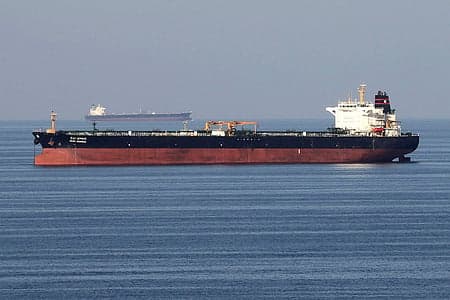
Here's what it means for you.
The ongoing tensions in the Strait of Hormuz could lead to increased shipping costs and supply chain disruptions that impact global markets.
Why it matters
Iran's dominance over this critical maritime route threatens global oil supply and regional stability, affecting economies worldwide.
What happened (in 30 seconds)
- Iran maintained control of the Strait of Hormuz despite a US-Iran ceasefire, alarming Gulf states.
- Shipping traffic plummeted from over 100 vessels daily to just 2-7, severely disrupting global oil trade.
- Iran's demands for IRGC coordination and potential tolls have complicated safe passage for commercial shipping.
The context you actually need
- The Strait of Hormuz is a vital chokepoint, facilitating 20% of global seaborne oil trade, equating to 20 million barrels daily.
- The crisis escalated following US-Israeli airstrikes on Iranian nuclear sites, prompting Iran to impose a blockade and retaliate with missile strikes.
- Gulf states like the UAE and Saudi Arabia are increasingly wary of Iran's leverage, pushing for navigation freedom amid rising oil prices and shipping costs.
What's really happening
The situation in the Strait of Hormuz is a direct consequence of escalating tensions between Iran and the United States, particularly following the initiation of the 2026 Iran war. This conflict began with Operation Epic Fury, a series of US-Israeli airstrikes targeting Iranian nuclear facilities and leadership, including Supreme Leader Ali Khamenei. In retaliation, Iran launched missile strikes against Israel and US bases, leading to a significant maritime blockade enforced by the Islamic Revolutionary Guard Corps (IRGC).
The IRGC's blockade has included laying naval mines, attacking vessels, and issuing selective permissions for non-Western flagged ships, particularly those from China and Russia. This has resulted in a staggering drop in shipping traffic through the strait, from over 100 vessels daily to a mere 2-7, severely disrupting the flow of oil and other goods. The strait is critical for global trade, as it facilitates the transit of approximately 20 million barrels of oil per day, which constitutes about 20% of the world's seaborne oil trade.
Despite a ceasefire announced on April 8, 2026, the situation remains precarious. Iran has issued warnings regarding the need for IRGC approval for vessels wishing to transit, alongside potential tolls payable in cryptocurrencies or yuan. This has created a climate of uncertainty for shipping firms, with many opting to divert their routes, leading to increased costs and delays. The economic stakes are high, as Gulf states express alarm over Iran's newfound leverage, fearing that their economies could be adversely affected by rising oil prices and shipping disruptions.
The aftermath of the ceasefire has seen oil prices experience volatility, with Brent crude dropping 13% to $94.80, but the risks of further escalation remain. Shipping firms like Maersk are now seeking clarity on IRGC protocols to navigate the strait safely. With 34,000 shipping routes already diverted and war-risk insurance premiums spiking, the implications of Iran's control over the Strait of Hormuz extend far beyond regional borders, affecting global supply chains and economic stability.
Who feels it first (and how)
- Shipping companies: Increased operational costs and insurance premiums due to heightened risks.
- Gulf states: Economic instability and potential inflation from disrupted oil supplies and shipping delays.
- Consumers: Rising prices for fuel and goods as supply chain congestion leads to increased costs.
What to watch next
- Shipping traffic levels: Monitor daily vessel passages through the Strait of Hormuz to gauge the impact of Iran's control.
- Oil price fluctuations: Keep an eye on Brent crude prices as they reflect market reactions to geopolitical tensions.
- US-Iran relations: Watch for any shifts in diplomatic efforts or military actions that could alter the current ceasefire dynamics.
Iran's control over the Strait of Hormuz is affecting global shipping and oil prices.
Continued shipping disruptions and rising costs for consumers and businesses.
The long-term implications of the ceasefire on US-Iran relations and regional stability.
Frequently Asked Questions
- Why it matters?
- Iran's dominance over this critical maritime route threatens global oil supply and regional stability, affecting economies worldwide.
- What happened (in 30 seconds)?
- Iran maintained control of the Strait of Hormuz despite a US-Iran ceasefire, alarming Gulf states. Shipping traffic plummeted from over 100 vessels daily to just 2-7, severely disrupting global oil trade. Iran's demands for IRGC coordination and potential tolls have complicated safe passage for commercial shipping.
- What's really happening?
- The situation in the Strait of Hormuz is a direct consequence of escalating tensions between Iran and the United States, particularly following the initiation of the 2026 Iran war. This conflict began with Operation Epic Fury, a series of US-Israeli airstrikes targeting Iranian nuclear facilities and leadership, including Supreme Leader Ali Khamenei. In retaliation, Iran launched missile strikes against Israel and US bases, leading to a significant maritime blockade enforced by the Islamic Revol
- Who feels it first (and how)?
- Shipping companies: Increased operational costs and insurance premiums due to heightened risks. Gulf states: Economic instability and potential inflation from disrupted oil supplies and shipping delays. Consumers: Rising prices for fuel and goods as supply chain congestion leads to increased costs.
- What to watch next?
- Shipping traffic levels: Monitor daily vessel passages through the Strait of Hormuz to gauge the impact of Iran's control. Oil price fluctuations: Keep an eye on Brent crude prices as they reflect market reactions to geopolitical tensions. US-Iran relations: Watch for any shifts in diplomatic efforts or military actions that could alter the current ceasefire dynamics.
UAE-based newspaper covering Gulf politics, society, and international developments.
"Gulf News is one of the UAE’s most prominent English-language publications."
— A47 Editor
Iran’s grip on Strait of Hormuz alarms Gulf states as shipping remains disrupted despite ceasefire
Iran's continued control over the Strait of Hormuz has raised alarms among Gulf states, as shipping disruptions persist despite a recent ceasefire agreement with the United States. The ceasefire was intended to stabilize the region and ensure safe pa...
A curated Gulf News feed featuring major stories across news, business, opinion, and lifestyle.
"Gulf News is a major UAE newspaper whose featured stories feed reflects a broad editorial mix shaped for a Gulf audience."
— A47 Editor
Iran’s grip on Strait of Hormuz alarms Gulf states as shipping remains disrupted despite ceasefire
Iran's continued control over the Strait of Hormuz has raised alarms among Gulf states, as shipping disruptions persist despite a recent ceasefire agreement with the United States. The ceasefire was intended to stabilize the region and ensure safe pa...
English-language reporting on Saudi politics, policy, and society.
"Saudi Gazette reflects mainstream Saudi institutional perspectives."
— A47 Editor
Iran says Strait of Hormuz shipping halted after alleged ceasefire violation
Iran's Islamic Revolutionary Guard Corps (IRGC) announced a significant halt in shipping traffic through the Strait of Hormuz, attributing this disruption to an alleged ceasefire violation by Israel in Lebanon. MarineTraffic data corroborates the IRG...