
U.S. Defense Secretary Claims Iran Requested Ceasefire Amid Ongoing Conflict
Here's what it means for you.
If you’re in the energy sector or rely on oil prices, the recent ceasefire could significantly impact your costs and investments.
Why it matters
The conditional ceasefire between the U.S. and Iran may stabilize global oil markets, affecting prices and energy security.
What happened (in 30 seconds)
- U.S. Defense Secretary Pete Hegseth announced Iran 'begged' for a ceasefire after U.S. military successes in Operation Epic Fury.
- A two-week pause in hostilities was agreed upon, facilitating negotiations in Islamabad starting April 11.
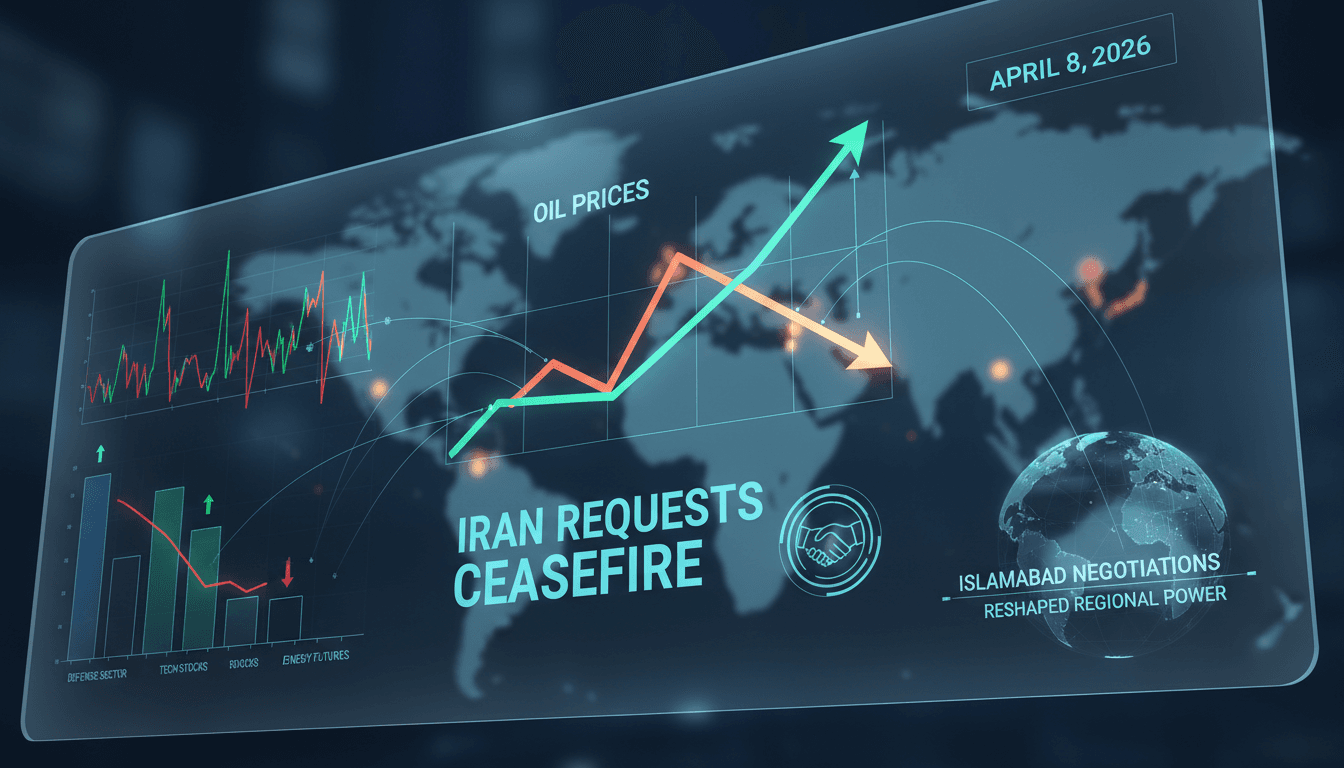
- Global oil prices dropped below $100/barrel, with stock markets reacting positively to the news.
The context you actually need
- The U.S.-Iran war began on February 28, 2026, following Iranian actions that threatened the Strait of Hormuz, a critical oil shipping route.
- Operation Epic Fury involved extensive U.S. and Israeli airstrikes that reportedly decimated Iran's military capabilities, leading to significant casualties on both sides.
- Negotiations are complicated by regional dynamics, including Israel's ongoing military actions and Iran's demands for sanctions relief.
What's really happening
The recent ceasefire marks a pivotal moment in the ongoing U.S.-Iran conflict, which has escalated dramatically since February 2026. The U.S. and Israel launched Operation Epic Fury in response to Iran's closure of the Strait of Hormuz, a strategic chokepoint for global oil shipments. This operation was characterized by nearly 900 airstrikes targeting Iranian military infrastructure, which reportedly resulted in the death of Supreme Leader Ali Khamenei. The scale of the U.S. military response was unprecedented, leading to significant Iranian counterattacks and a rising death toll, with over 5,000 casualties reported across various fronts.
The ceasefire, announced by President Trump and mediated by Pakistan, is conditional on Iran reopening the Strait and engaging in nuclear talks. Hegseth's assertion that Iran 'begged' for the ceasefire reflects a narrative of U.S. military dominance, suggesting that the overwhelming force applied during the operation has left Iran in a vulnerable position. This narrative serves to bolster U.S. domestic and international credibility while framing the ceasefire as a strategic victory.
However, the implications of this ceasefire extend beyond military considerations. The immediate aftermath has seen a plunge in global oil prices, which fell below $100/barrel, providing relief to consumers and businesses reliant on stable energy costs. In Dubai, for instance, residents are experiencing a 13-16% drop in oil prices, which is likely to spur real estate rallies and stock market gains. Yet, the volatility in energy security remains a concern, especially with reports of Iranian strikes on facilities in the UAE.
The geopolitical landscape is also shifting, as talks in Islamabad will involve not just U.S. and Iranian representatives but also key regional players like Pakistan and Israel. The inclusion of Lebanon in these discussions has raised tensions, with Israel continuing its military operations and disputing the scope of the ceasefire.
The structural implications of this ceasefire are significant. It could lead to a re-evaluation of U.S. military commitments in the region, a potential thaw in U.S.-Iran relations, and shifts in energy markets that could affect global supply chains. As negotiations unfold, the outcome will likely influence not just regional stability but also global economic conditions.
Who feels it first (and how)
- Energy sector professionals: Fluctuations in oil prices will directly impact revenues and operational costs.
- Investors: Stock market reactions to the ceasefire could influence investment strategies, particularly in energy and defense sectors.
- Consumers: Lower oil prices may lead to reduced fuel costs, impacting household budgets and spending power.
- Geopolitical analysts: Shifts in U.S.-Iran relations will be closely monitored for implications on global security and trade.
What to watch next
- Negotiation outcomes: The talks in Islamabad starting April 11 will reveal the future of U.S.-Iran relations and potential sanctions relief.
- Oil price trends: Continued monitoring of global oil prices will indicate market reactions to geopolitical developments and supply chain stability.
- Regional military actions: Ongoing military operations by Israel and Iran could disrupt the ceasefire and impact broader regional stability.
A conditional ceasefire is currently in effect, facilitating negotiations.
Oil prices will remain volatile as geopolitical tensions evolve and negotiations progress.
The long-term implications of the ceasefire on U.S.-Iran relations and regional stability remain uncertain.
Frequently Asked Questions
- Why it matters?
- The conditional ceasefire between the U.S. and Iran may stabilize global oil markets, affecting prices and energy security.
- What happened (in 30 seconds)?
- U.S. Defense Secretary Pete Hegseth announced Iran 'begged' for a ceasefire after U.S. military successes in Operation Epic Fury. A two-week pause in hostilities was agreed upon, facilitating negotiations in Islamabad starting April 11. Global oil prices dropped below $100/barrel, with stock markets reacting positively to the news.
- What's really happening?
- The recent ceasefire marks a pivotal moment in the ongoing U.S.-Iran conflict, which has escalated dramatically since February 2026. The U.S. and Israel launched Operation Epic Fury in response to Iran's closure of the Strait of Hormuz, a strategic chokepoint for global oil shipments. This operation was characterized by nearly 900 airstrikes targeting Iranian military infrastructure, which reportedly resulted in the death of Supreme Leader Ali Khamenei. The scale of the U.S. military response wa
- Who feels it first (and how)?
- Energy sector professionals: Fluctuations in oil prices will directly impact revenues and operational costs. Investors: Stock market reactions to the ceasefire could influence investment strategies, particularly in energy and defense sectors. Consumers: Lower oil prices may lead to reduced fuel costs, impacting household budgets and spending power. Geopolitical analysts: Shifts in U.S.-Iran relations will be closely monitored for implications on global security and trade.
- What to watch next?
- Negotiation outcomes: The talks in Islamabad starting April 11 will reveal the future of U.S.-Iran relations and potential sanctions relief. Oil price trends: Continued monitoring of global oil prices will indicate market reactions to geopolitical developments and supply chain stability. Regional military actions: Ongoing military operations by Israel and Iran could disrupt the ceasefire and impact broader regional stability.
News from the United States including domestic politics, society, and culture.
"The Guardian is known for its progressive editorial stance and in-depth analysis, often advocating for social justice, environmental issues, and liberal values."
— A47 Editor
Hegseth claims Iran ‘begged’ for ceasefire after US and Tehran agree to two-week pause
U.S. Defense Secretary Pete Hegseth announced a two-week ceasefire with Iran, claiming that Iran had 'begged' for the pause after a prolonged military campaign that left its military severely weakened. This ceasefire follows a series of threats from ...
International coverage from The Guardian's global desks.
"The Guardian is known for its progressive editorial stance and in-depth analysis."
— A47 Editor
Hegseth claims Iran ‘begged’ for ceasefire after US and Tehran agree to two-week pause
U.S. Defense Secretary Pete Hegseth announced that Iran had 'begged' for a ceasefire after a two-week pause in hostilities was agreed upon by the U.S. and Iran, following 40 days of intense conflict. This ceasefire was announced by President Donald T...
24/7 international news from a French perspective in multiple languages.
"France 24 is viewed as a globally focused outlet with balanced coverage and a European perspective."
— A47 Editor
REPLAY: Hegseth claims Iran suffered 'devastating military defeat'
U.S. Defense Secretary Pete Hegseth announced that Iran has suffered a 'devastating military defeat' and that its missile program has been effectively destroyed. This statement followed the agreement of a two-week ceasefire between the United States ...
Conservative-leaning political and national coverage.
"The Washington Times is a conservative-leaning newspaper known for its political coverage and advocacy of right-of-center viewpoints."
— A47 Editor
Defense Secretary Pete Hegseth: U.S. forces prepared to restart strikes if ceasefire with Iran fails
Defense Secretary Pete Hegseth and Joint Chiefs Chairman Gen. Dan Caine announced that U.S. forces are prepared to resume military strikes against Iran if the newly established ceasefire is violated. This readiness reflects ongoing tensions and the p...