
Iran War Disrupts Global Fertilizer Supplies and Drives Food Prices Higher
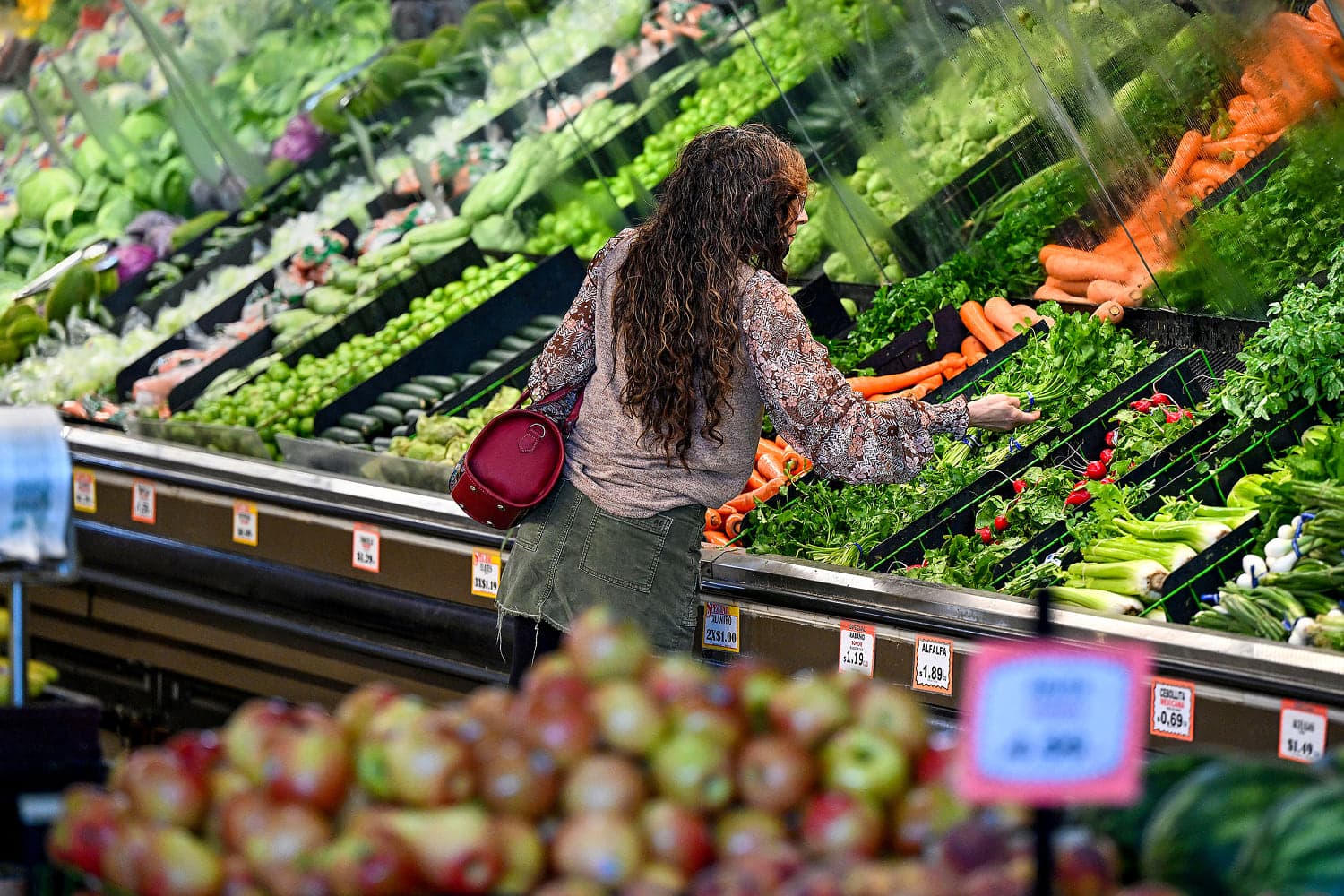
Here's what it means for you.
If you're involved in agriculture or food production, the escalating conflict in the Persian Gulf could significantly impact your input costs and pricing strategies.
Why it matters
The closure of the Strait of Hormuz threatens global fertilizer supplies, which could lead to increased food prices and supply chain disruptions worldwide.
What happened (in 30 seconds)
- On February 28, 2026, U.S. and Israeli airstrikes initiated the 2026 Iran War, prompting Iran to close the Strait of Hormuz.
- Fertilizer prices surged, with urea prices rising by $80 per metric ton globally and Middle East ammonia prices increasing by 92% year-over-year.
- Commercial shipping is halted, idling hundreds of tankers and disrupting vital supply routes for agricultural inputs.
The context you actually need
- The Strait of Hormuz is a critical chokepoint for global trade, handling one-fifth of the world's oil and one-third of fertilizer ingredients.
- Pre-existing market vulnerabilities from previous disruptions, such as Russian gas shortages and Chinese export restrictions, have intensified the impact of this conflict.
- Regional fertilizer producers account for nearly half of global urea exports and a significant portion of ammonia exports, making their operational status crucial for global supply.
What's really happening
The 2026 Iran War has triggered a complex chain of events that disrupts not only regional stability but also global agricultural supply chains. The U.S. and Israeli airstrikes targeted Iranian military infrastructure, which Iran retaliated against by closing the Strait of Hormuz. This strategic waterway is vital for the transit of goods, especially fertilizers, which are essential for crop production.
With Iran's blockade, shipping through the Strait has come to a standstill, leading to a backlog of vessels and a significant increase in shipping costs. Insurance premiums for vessels operating in the region have skyrocketed due to the heightened risk, further complicating logistics for fertilizer suppliers. As a result, many fertilizer plants, including Qatar's QAFCO, have had to shut down operations, exacerbating the supply crunch.
The immediate effect has been a sharp rise in fertilizer prices. Urea, a key ingredient for nitrogen fertilizers, saw a price increase of $80 per metric ton, reaching $683 at U.S. import hubs. Similarly, ammonia prices surged by 92% year-over-year as of March 10, 2026. These price hikes are not just an isolated phenomenon; they reflect a broader trend of escalating agricultural input costs that could ripple through to consumer prices for food.
Farmers globally are facing procurement delays and yield concerns as they prepare for planting seasons. The U.S. Agriculture Secretary has indicated that measures are being considered to mitigate these rising costs, but the effectiveness of such interventions remains to be seen. Economists are warning that these disruptions could lead to a significant impact on global food supply chains, with grain futures already reflecting surges as producers rush to secure sales amid uncertainty.
Who feels it first (and how)
- Farmers: Facing higher input costs and potential supply shortages, impacting crop yields and profitability.
- Agricultural suppliers: Experiencing procurement delays and rising prices for essential inputs.
- Consumers: Likely to see increased food prices as agricultural costs rise, affecting household budgets.
- Shipping companies: Struggling with halted operations and increased insurance costs, impacting their profitability.
- Investors in agricultural commodities: Experiencing volatility in grain and fertilizer markets, affecting investment strategies.
What to watch next
- Fertilizer price trends: Monitoring price fluctuations will be crucial as they directly impact agricultural production costs and food prices.
- U.S. government interventions: Any announcements regarding cost mitigation measures for farmers could influence market dynamics and consumer prices.
- Geopolitical developments: Changes in the conflict status or negotiations could either ease or exacerbate supply chain disruptions.
The closure of the Strait of Hormuz is currently halting commercial shipping and disrupting fertilizer supplies.
Continued price increases for fertilizers and food products as supply chain disruptions persist.
The long-term geopolitical implications of the Iran War and how they will affect global agricultural markets.
Frequently Asked Questions
- Why it matters?
- The closure of the Strait of Hormuz threatens global fertilizer supplies, which could lead to increased food prices and supply chain disruptions worldwide.
- What happened (in 30 seconds)?
- On February 28, 2026, U.S. and Israeli airstrikes initiated the 2026 Iran War, prompting Iran to close the Strait of Hormuz. Fertilizer prices surged, with urea prices rising by $80 per metric ton globally and Middle East ammonia prices increasing by 92% year-over-year. Commercial shipping is halted, idling hundreds of tankers and disrupting vital supply routes for agricultural inputs.
- What's really happening?
- The 2026 Iran War has triggered a complex chain of events that disrupts not only regional stability but also global agricultural supply chains. The U.S. and Israeli airstrikes targeted Iranian military infrastructure, which Iran retaliated against by closing the Strait of Hormuz. This strategic waterway is vital for the transit of goods, especially fertilizers, which are essential for crop production. With Iran's blockade, shipping through the Strait has come to a standstill, leading to a back
- Who feels it first (and how)?
- Farmers: Facing higher input costs and potential supply shortages, impacting crop yields and profitability. Agricultural suppliers: Experiencing procurement delays and rising prices for essential inputs. Consumers: Likely to see increased food prices as agricultural costs rise, affecting household budgets. Shipping companies: Struggling with halted operations and increased insurance costs, impacting their profitability. Investors in agricultural commodities: Experiencing volatility in gr
- What to watch next?
- Fertilizer price trends: Monitoring price fluctuations will be crucial as they directly impact agricultural production costs and food prices. U.S. government interventions: Any announcements regarding cost mitigation measures for farmers could influence market dynamics and consumer prices. Geopolitical developments: Changes in the conflict status or negotiations could either ease or exacerbate supply chain disruptions.
International coverage from The Guardian's global desks.
"The Guardian is known for its progressive editorial stance and in-depth analysis."
— A47 Editor
Global food supplies could be badly hit if Iran war drags on, says fertiliser boss
*# The CEO of Yara International has warned that a prolonged war involving Iran could severely disrupt global food supplies, especially if the Strait of Hormuz remains closed, raising concerns about soaring food prices in vulnerable countries. *# Thi...
Comprehensive coverage of global events, politics, and international issues.
"NBC News is a mainstream outlet known for comprehensive national and international coverage with a centrist to slightly left-leaning editorial tone."
— A47 Editor
The Iran war's looming economic threat: Higher food prices
*# The ongoing war in Iran is disrupting fertilizer shipments through the Strait of Hormuz, raising farmers' costs and pushing food prices higher, according to NBC News. *# This disruption is significant for global agriculture and consumers, as highe...
National headlines across the United States including breaking stories and societal issues.
"NBC News is a mainstream media outlet known for comprehensive national and international news coverage with a centrist to slightly left-leaning editorial tone."
— A47 Editor
The Iran war's looming economic threat: Higher food prices
*# The ongoing war in Iran is disrupting fertilizer shipments through the Strait of Hormuz, raising farmers' costs and pushing food prices higher, according to NBC News. *# This disruption is significant for global agriculture and consumers, as highe...
Markets, economy, and company analysis from NYT’s business desk.
"The New York Times is a globally recognized newspaper offering authoritative reporting with a center-left editorial stance."
— A47 Editor
How the Iran War Threatens the Global Food, Energy and Other Supplies
*# The escalating war involving Iran in the Middle East has severely disrupted global supply chains, affecting not only oil and gas but also shipping and airfreight, and threatening the availability of a wide range of goods worldwide. *# This disrupt...
Global news coverage with extensive reporting on Middle Eastern conflicts and geopolitics.
"Al Jazeera is a Qatar-based broadcaster known for wide regional coverage and alternative perspectives."
— A47 Editor
How will the war on Iran impact the US economy?
The ongoing conflict involving Iran has raised concerns about its potential impact on the US economy, particularly regarding oil supply routes through the Strait of Hormuz. Experts indicate that the speed at which oil tankers can resume operations in...
Comprehensive coverage of Middle Eastern and global issues.
"Al Jazeera is a prominent voice from the Global South, especially the Middle East, with an emphasis on underreported stories."
— A47 Editor
How will the war on Iran impact the US economy?
*# The ongoing war involving Iran has led to the closure and disruption of the Strait of Hormuz, a critical maritime passage for global oil shipments, with attacks on ships and fears of mines halting tanker traffic. *# This situation has significant ...
Markets, economy, and company analysis from NYT’s business desk.
"The New York Times is a globally recognized newspaper offering authoritative reporting with a center-left editorial stance."
— A47 Editor
Fallout From Iran War and Oil Shock Deliver Another Blow to World Economy
*# The ongoing conflict involving Iran and the closure of the Strait of Hormuz have triggered a sharp surge in oil prices, compounding economic strain on countries already affected by disrupted trade, the war in Ukraine, and unstable U.S. policies. *...
International stories from NPR’s global desk.
"NPR is an American public media organization known for thoughtful reporting and a slightly left-leaning editorial tone."
— A47 Editor
Threats to the Strait of Hormuz raises concerns about global oil prices
*# The threat of Iran laying mines in the Strait of Hormuz, a critical waterway for about 20% of global oil supply, has heightened fears over global oil prices and disrupted maritime traffic. *# This escalation poses significant risks for global ener...