
European Nations Form Naval Coalition for Strait of Hormuz Security Without US Involvement
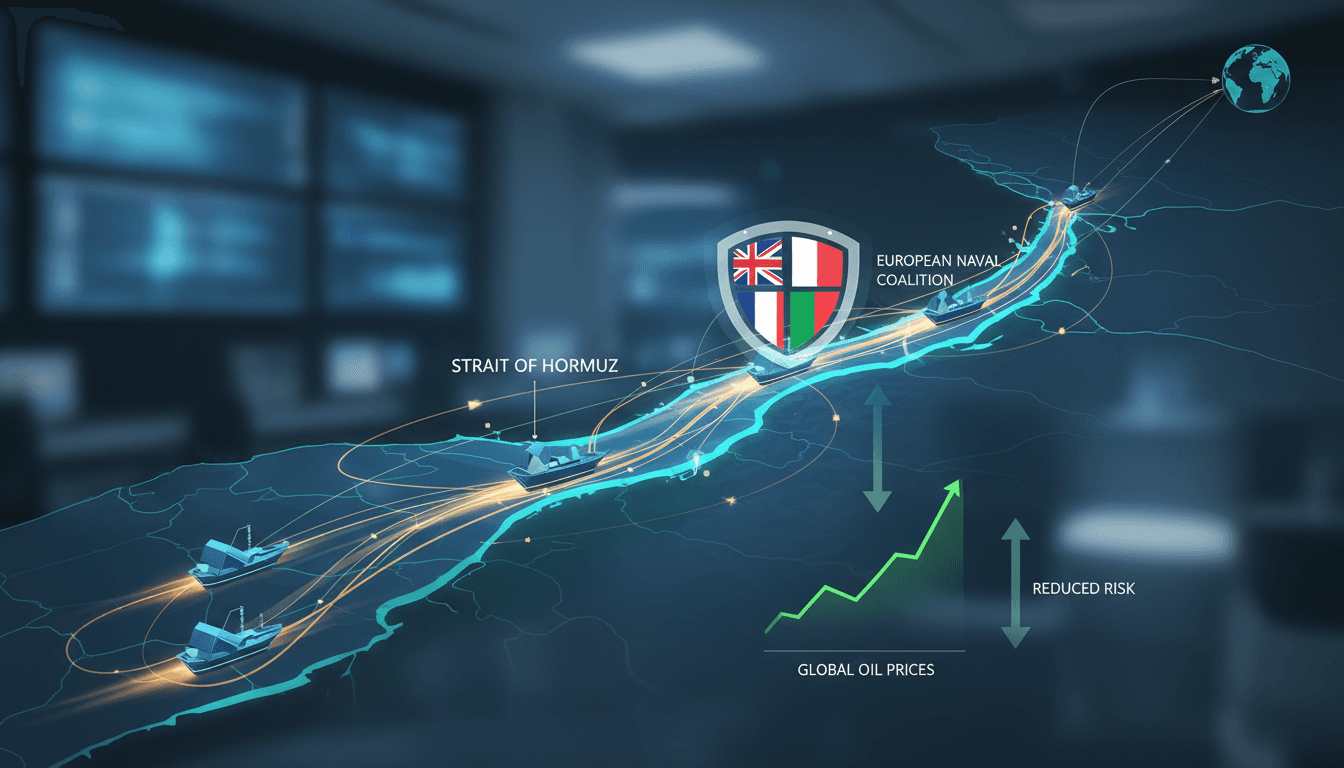
Here's what it means for you.
If you rely on global oil markets or shipping routes, the evolving security dynamics in the Strait of Hormuz could directly impact your costs and supply stability.
Why it matters
The Strait of Hormuz is a critical chokepoint for global oil supply, and European efforts to secure it without U.S. involvement could reshape international maritime security and energy markets.
What happened (in 30 seconds)
- European nations are drafting a plan to establish a naval coalition for the Strait of Hormuz, excluding the U.S. and other belligerents.
- Tensions between the U.S. and Iran have escalated, leading to a U.S. naval blockade of Iranian ports after failed ceasefire talks.
- Oil prices surged above $100 per barrel following the blockade announcement, raising concerns over energy security in Europe and beyond.
The context you actually need
- The Strait of Hormuz is vital for global oil transport, with 20% of the world's seaborne oil supply passing through it annually.
- European leaders are increasingly wary of U.S. military actions under President Trump, prompting them to seek independent security measures.
- The ongoing crisis has already halved oil flows through the strait, creating urgency for European nations to stabilize the region and ensure commercial navigation.
What's really happening
The current geopolitical landscape in the Persian Gulf is fraught with tension, primarily due to the ongoing hostilities between the U.S. and Iran. Since February 2026, Iran has blocked the Strait of Hormuz, a strategic maritime route that carries approximately 20% of the global oil supply. This blockade has prompted the U.S. to impose a naval blockade on Iranian ports, escalating the situation further after ceasefire talks in Islamabad failed on April 12, 2026.
In response to these developments, European nations, led by the United Kingdom and France, are drafting a post-conflict maritime security initiative aimed at restoring safe passage through the Strait of Hormuz. This initiative is notable for its exclusion of the U.S. and other belligerent parties, reflecting a shift in European diplomatic strategy. The coalition's focus on demining operations, naval escorts, and surveillance highlights a proactive approach to securing vital shipping lanes without direct U.S. military involvement.
The urgency of this initiative is underscored by the significant economic implications of the ongoing crisis. Oil prices have surged, with European crude nearing $150 per barrel, leading to market declines and heightened concerns over energy security. The European leaders' criticism of U.S. aggression indicates a growing rift in transatlantic relations, as they seek to assert their own influence in a region critical to their energy needs.
Moreover, the potential involvement of Germany in this coalition signals a broader European commitment to regional stability. As the situation evolves, European nations are likely to prioritize diplomatic solutions that do not rely on U.S. military support, reflecting a desire for greater autonomy in foreign policy.
This coalition could reshape the dynamics of maritime security in the region, as European nations aim to stabilize oil flows and ensure the safety of commercial navigation. However, the exclusion of the U.S. raises questions about the effectiveness of this initiative, particularly in light of Iran's threats of countermeasures in the Red Sea.
Who feels it first (and how)
- Oil companies: Increased shipping costs and price volatility could impact profit margins and operational planning.
- Logistics firms: Disruptions in shipping routes may lead to delays and increased costs for transporting goods.
- Consumers: Rising oil prices could translate to higher fuel costs, affecting transportation and goods prices globally.
- European governments: They may face pressure to respond to rising energy costs and ensure national security without U.S. support.
- Middle Eastern nations: Countries like the UAE may experience heightened risks and economic impacts due to instability in the region.
What to watch next
- European coalition developments: Monitor announcements regarding the coalition's formation and operational plans, as these will influence regional security dynamics.
- Oil price fluctuations: Keep an eye on oil prices in response to developments in the Strait of Hormuz, as they will affect global markets and consumer costs.
- Iran's response: Watch for any Iranian countermeasures or escalations that could further disrupt shipping routes and impact international relations.
The Strait of Hormuz is critical for global oil supply, with 20% of it transiting through the strait.
European nations will continue to seek independent security measures in the region, potentially leading to a shift in U.S.-European relations.
The effectiveness of the proposed coalition without U.S. involvement remains uncertain, particularly in the face of Iranian threats.
Frequently Asked Questions
- Why it matters?
- The Strait of Hormuz is a critical chokepoint for global oil supply, and European efforts to secure it without U.S. involvement could reshape international maritime security and energy markets.
- What happened (in 30 seconds)?
- European nations are drafting a plan to establish a naval coalition for the Strait of Hormuz, excluding the U.S. and other belligerents. Tensions between the U.S. and Iran have escalated, leading to a U.S. naval blockade of Iranian ports after failed ceasefire talks. Oil prices surged above $100 per barrel following the blockade announcement, raising concerns over energy security in Europe and beyond.
- What's really happening?
- The current geopolitical landscape in the Persian Gulf is fraught with tension, primarily due to the ongoing hostilities between the U.S. and Iran. Since February 2026, Iran has blocked the Strait of Hormuz, a strategic maritime route that carries approximately 20% of the global oil supply. This blockade has prompted the U.S. to impose a naval blockade on Iranian ports, escalating the situation further after ceasefire talks in Islamabad failed on April 12, 2026. In response to these development
- Who feels it first (and how)?
- Oil companies: Increased shipping costs and price volatility could impact profit margins and operational planning. Logistics firms: Disruptions in shipping routes may lead to delays and increased costs for transporting goods. Consumers: Rising oil prices could translate to higher fuel costs, affecting transportation and goods prices globally. European governments: They may face pressure to respond to rising energy costs and ensure national security without U.S. support. Middle Eastern na
- What to watch next?
- European coalition developments: Monitor announcements regarding the coalition's formation and operational plans, as these will influence regional security dynamics. Oil price fluctuations: Keep an eye on oil prices in response to developments in the Strait of Hormuz, as they will affect global markets and consumer costs. Iran's response: Watch for any Iranian countermeasures or escalations that could further disrupt shipping routes and impact international relations.
Arabic-language UAE newspaper coverage focused on domestic affairs, public institutions, business, society, and regional developments.
"Al Khaleej coverage generally reflects a mainstream UAE editorial lens with strong attention to public affairs, institutions, and regional developments."
— A47 Editor
خطة أوروبية محتملة لتأمين مضيق هرمز تستثني واشنطن
European Union countries are exploring the establishment of a naval force to ensure navigation security in the Strait of Hormuz without U.S. involvement, amid differing opinions within Europe regarding the nature of this alliance. The discussions com...
Regional coverage and analysis focused on politics, diplomacy, and business across the Middle East.
"Al-Monitor is known for analytical reporting on Middle East politics and policy developments."
— A47 Editor
Exclusive-Iran offers proposal allowing ships to exit Oman side of Hormuz free of attack, source says
Iran has proposed allowing ships to navigate freely through the Oman side of the Strait of Hormuz without the risk of attack, contingent upon successful negotiations with the United States aimed at preventing further conflict. This proposal emerges a...
Arabic-language coverage of international news and geopolitics.
"RT Arabic is a Russian state-funded outlet often criticized for promoting Kremlin-aligned narratives."
— A47 Editor
صحيفة: الأوروبيون يعملون على تشكيل تحالف لضمان الملاحة في مضيق هرمز بدون واشنطن
The Wall Street Journal reports that European countries are working on a plan to form a coalition aimed at ensuring freedom of navigation in the Strait of Hormuz, excluding the United States. This initiative reflects a shift in European strategy rega...
Jordanian news and regional updates.
"Roya News is a Jordanian outlet focused on breaking news and local affairs."
— A47 Editor
إعلام أمريكي: الأوروبيون يرفضون القيادة الأمريكية لمهمة تأمين مضيق هرمز
According to the Wall Street Journal, European officials have expressed their refusal to accept American leadership in the mission to secure the Strait of Hormuz. This development highlights a growing rift between European nations and the United Stat...
Global political, business, and cultural coverage from WSJ international desks.
"The Wall Street Journal offers extensive international reporting with a reputation for financial insight and a center-right editorial stance."
— A47 Editor
Europe Drafts Postwar Plan to Free Up Hormuz Without U.S.
The U.K. and France have drafted a postwar plan aimed at restoring confidence among shipping companies to navigate the Strait of Hormuz following ongoing conflicts in the region. This initiative seeks to ensure safe passage for vessels once hostiliti...
English-language news from Qatar covering domestic and regional affairs.
"Gulf Times reflects Qatari perspectives on regional developments."
— A47 Editor
France, UK to host summit on Hormuz this week
France and the UK are set to co-host a summit this week aimed at establishing a coordinated, independent, multinational plan to ensure the safety of shipping in the Strait of Hormuz, as announced by UK Prime Minister Keir Starmer. This initiative com...
Regional coverage and analysis focused on politics, diplomacy, and business across the Middle East.
"Al-Monitor is known for analytical reporting on Middle East politics and policy developments."
— A47 Editor
UK and France to co-host talks this week on possible defensive naval mission for Hormuz
This week, the UK and France will co-host talks focused on restoring freedom of navigation in the Strait of Hormuz, with discussions on a potential strictly defensive naval mission as proposed by French President Emmanuel Macron. The initiative aims ...
Regional and international reporting focused on Middle Eastern politics, diplomacy, and economics.
"Asharq Al-Awsat is a Saudi-owned international newspaper reflecting mainstream Gulf political perspectives."
— A47 Editor
France, UK to Work on ‘Peaceful Multinational Mission’ for Hormuz
France and the UK are collaborating to establish a peaceful multinational mission aimed at securing the Strait of Hormuz, a vital maritime route for global oil transport. This initiative comes amid rising tensions in the region, particularly concerni...