
Tehran Residents React to US-Iran Ceasefire Amid Ongoing Tensions
Here's what it means for you.
The recent ceasefire between the US, Iran, and Israel may stabilize oil prices and enhance regional security, impacting global markets and travel.
Why it matters
This ceasefire could reshape geopolitical dynamics in the Middle East, influencing global oil supply and economic stability.
What happened (in 30 seconds)
- On April 8, 2026, a two-week ceasefire was announced, halting six weeks of intense aerial bombardments in the 2026 Iran War.
- Tehran residents expressed mixed emotions, celebrating the pause while voicing skepticism about its durability and the potential for renewed conflict.
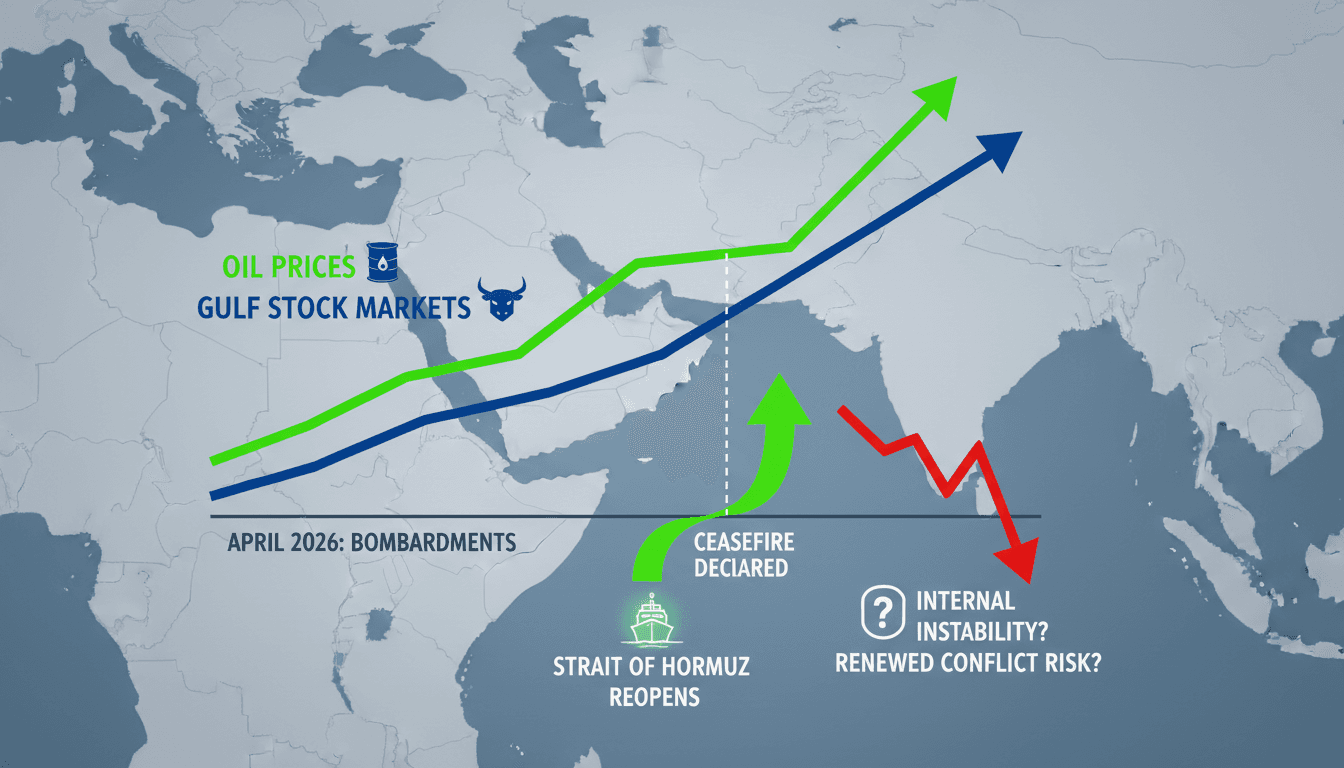
- Global markets reacted positively, with oil prices dropping significantly and stock indices in Dubai experiencing their largest gains in six years.
The context you actually need
- The 2026 Iran War began on February 28, 2026, following stalled nuclear negotiations and escalating military actions from both the US and Iran.
- Economic fallout from the war has been severe, with an estimated $120 billion loss to Arab economies by March 31, 2026, due to disruptions in trade and oil supply.
- The ceasefire negotiations were mediated by Pakistan, highlighting the complex web of alliances and tensions in the region.
What's really happening
The ceasefire agreement, reached after intense negotiations, reflects a temporary halt in hostilities that have escalated since the onset of the 2026 Iran War. The conflict was ignited by a combination of stalled nuclear talks and perceived threats from Iranian missile capabilities, leading to joint airstrikes by the US and Israel targeting key Iranian military and nuclear sites. As the war progressed, Iran retaliated with missile strikes on US bases and regional allies, further destabilizing the Gulf region.
The announcement of the ceasefire has elicited a wave of relief among Tehran residents, who have endured weeks of bombardments and uncertainty. However, this relief is tempered by skepticism regarding the truce's longevity, particularly given the ongoing tensions in the Strait of Hormuz and continued Israeli strikes in Lebanon. Many residents fear that the ceasefire may merely be a pause before hostilities resume, especially with the exclusion of Lebanon from the agreement.
The Iranian government has framed the ceasefire as a strategic victory, likely to bolster its domestic standing amid public discontent. However, hardliners within Iran criticize any engagement with the US, fearing it undermines national sovereignty. This internal division may influence future policy decisions and the likelihood of compliance with the ceasefire terms.
The economic implications of the ceasefire are significant. With the war having already cost Arab nations an estimated $120 billion, the cessation of hostilities could restore some level of stability to the oil markets, which have been volatile due to the conflict. Dubai's stock market, for instance, has seen a surge in investor confidence, reflecting optimism for a return to normalcy in regional trade and travel.
As the ceasefire holds, the international community will be watching closely for signs of compliance from both sides. The potential for renewed negotiations on nuclear issues could emerge, but the path forward remains fraught with challenges, including the need to address the concerns of regional players like Israel and Saudi Arabia, who remain wary of Iran's intentions.
Who feels it first (and how)
- Residents of Tehran: Experiencing immediate relief but also anxiety about future conflicts.
- Investors in the Gulf region: Benefiting from market recoveries and increased economic activity.
- Global oil consumers: Potentially seeing lower prices and more stable supply chains.
- Travel and tourism sectors: Likely to experience a boost as regional tensions ease.
What to watch next
- Compliance with ceasefire terms: Monitoring how both Iran and the US adhere to the agreement will be crucial for long-term stability.
- Negotiations on nuclear issues: Any movement towards renewed talks could signal a shift in regional dynamics and impact global markets.
- Regional military activities: Continued strikes in Lebanon or other areas could undermine the ceasefire and reignite hostilities.
A two-week ceasefire is currently in effect, providing temporary relief from hostilities.
Economic recovery in Gulf states as markets respond positively to the ceasefire.
The long-term durability of the ceasefire and its implications for future US-Iran relations.
Frequently Asked Questions
- Why it matters?
- This ceasefire could reshape geopolitical dynamics in the Middle East, influencing global oil supply and economic stability.
- What happened (in 30 seconds)?
- On April 8, 2026, a two-week ceasefire was announced, halting six weeks of intense aerial bombardments in the 2026 Iran War. Tehran residents expressed mixed emotions, celebrating the pause while voicing skepticism about its durability and the potential for renewed conflict. Global markets reacted positively, with oil prices dropping significantly and stock indices in Dubai experiencing their largest gains in six years.
- What's really happening?
- The ceasefire agreement, reached after intense negotiations, reflects a temporary halt in hostilities that have escalated since the onset of the 2026 Iran War. The conflict was ignited by a combination of stalled nuclear talks and perceived threats from Iranian missile capabilities, leading to joint airstrikes by the US and Israel targeting key Iranian military and nuclear sites. As the war progressed, Iran retaliated with missile strikes on US bases and regional allies, further destabilizing th
- Who feels it first (and how)?
- Residents of Tehran: Experiencing immediate relief but also anxiety about future conflicts. Investors in the Gulf region: Benefiting from market recoveries and increased economic activity. Global oil consumers: Potentially seeing lower prices and more stable supply chains. Travel and tourism sectors: Likely to experience a boost as regional tensions ease.
- What to watch next?
- Compliance with ceasefire terms: Monitoring how both Iran and the US adhere to the agreement will be crucial for long-term stability. Negotiations on nuclear issues: Any movement towards renewed talks could signal a shift in regional dynamics and impact global markets. Regional military activities: Continued strikes in Lebanon or other areas could undermine the ceasefire and reignite hostilities.
24/7 international news from a French perspective in multiple languages.
"France 24 is viewed as a globally focused outlet with balanced coverage and a European perspective."
— A47 Editor
Tehran residents welcome ceasefire but voice concerns
Residents of Tehran have expressed relief following the announcement of a two-week ceasefire between the United States and Iran, which was reached after 40 days of intense conflict. The ceasefire, facilitated by Pakistan, is set to commence as both n...
UAE-based English-language newspaper covering regional politics, economics, and global affairs.
"The National reflects Emirati policy perspectives while maintaining international editorial standards."
— A47 Editor
Manus on Markets: How credible are US-Iran talks in Islamabad?
Recent talks between the United States and Iran are set to take place in Islamabad, following a two-week ceasefire brokered by Pakistan aimed at reducing escalating tensions in the region. The Iranian delegation is expected to arrive shortly before t...