
UAE Ministry of Energy and Infrastructure Initiates Nationwide Microgrid Project
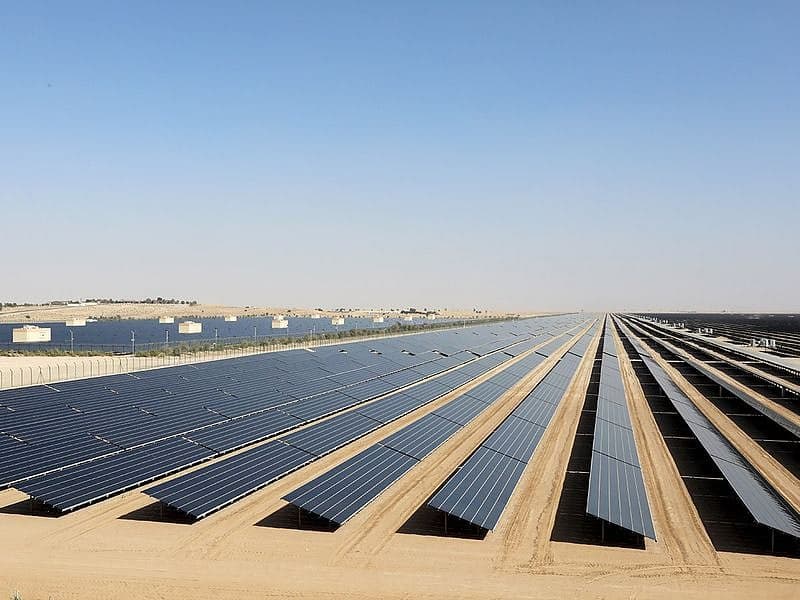
Here's what it means for you.
If you’re in the UAE, expect a more resilient energy landscape that could stabilize costs and enhance sustainability.
Why it matters
This initiative aligns with the UAE's strategic vision for energy security and sustainability, impacting both public infrastructure and private sector opportunities.
What happened (in 30 seconds)
- On April 12, 2026, the UAE Ministry of Energy and Infrastructure launched a microgrid project for federal buildings after a successful pilot in Sharjah.
- The pilot demonstrated a 362,000 kWh annual reduction in energy use, saving Dh110,000 and reducing CO2 emissions by 76 tonnes.
- Future plans include nationwide expansion, public-private partnerships, and the development of a regulatory framework for microgrid standards.
The context you actually need
- The UAE's energy strategy emphasizes a shift towards renewable energy and decentralized systems, responding to global trends in energy transition.
- The pilot project at the Ministry's Sharjah headquarters validated the microgrid concept, showcasing its potential to enhance energy resilience during outages.
- The We the UAE 2031 vision aims to build advanced infrastructure, making this microgrid initiative a critical step towards achieving broader national goals.
What's really happening
The UAE's microgrid project for federal buildings represents a significant shift in how energy is managed and consumed across the nation. At its core, this initiative is about decentralizing energy production and enhancing resilience against outages. The pilot program, which achieved impressive results in Sharjah, serves as a model for future implementations.
The microgrid system integrates clean energy generation, storage, and digital management, allowing for localized control over energy resources. This means that federal buildings can operate independently from the centralized grid, reducing vulnerability to outages and enhancing energy security. The pilot's success—362,000 kWh of energy saved and 76 tonnes of CO2 emissions reduced—demonstrates the tangible benefits of this approach.
The strategic expansion to federal buildings nationwide is not merely about energy efficiency; it aligns with the UAE's broader energy strategy, which includes commitments to net-zero emissions by 2050. By adopting microgrid technology, the UAE is positioning itself as a leader in sustainable energy practices while also addressing the challenges posed by climate change and energy dependence.
Moreover, the project opens up avenues for public-private partnerships, inviting private sector investment and innovation in energy solutions. This collaborative approach is likely to enhance the overall effectiveness of the microgrid systems and could lead to new business opportunities in the energy sector.
As the Ministry of Energy and Infrastructure develops a regulatory framework for microgrid standards, it sets the stage for a more structured and scalable implementation across the country. This regulatory clarity will be crucial for attracting private investments and ensuring that the microgrid systems operate efficiently and effectively.
In summary, the microgrid project is a pivotal step towards a more resilient and sustainable energy infrastructure in the UAE. It not only addresses immediate energy needs but also positions the nation for future challenges in energy management and environmental sustainability.
Who feels it first (and how)
- Government agencies: They will benefit from reduced energy costs and enhanced operational resilience.
- Energy sector companies: Opportunities for collaboration and innovation in microgrid technology and services.
- Residents of Dubai: Indirect benefits from improved energy stability and potential cost savings in public services.
What to watch next
- Regulatory developments: The establishment of a national regulatory framework for microgrids will be crucial for guiding future implementations and attracting investment.
- Private sector involvement: Look for announcements regarding partnerships or investments from private companies in the microgrid space, indicating market confidence.
- Energy consumption trends: Monitor changes in energy use and emissions across federal buildings as the project expands, which could inform broader energy policies.
The pilot project successfully reduced energy consumption and emissions at the Ministry's Sharjah headquarters.
The nationwide rollout will attract private sector investment and partnerships, enhancing the project's scalability.
The long-term impact on energy prices for consumers and businesses in the UAE remains to be seen.
Frequently Asked Questions
- Why it matters?
- This initiative aligns with the UAE's strategic vision for energy security and sustainability, impacting both public infrastructure and private sector opportunities.
- What happened (in 30 seconds)?
- On April 12, 2026, the UAE Ministry of Energy and Infrastructure launched a microgrid project for federal buildings after a successful pilot in Sharjah. The pilot demonstrated a 362,000 kWh annual reduction in energy use, saving Dh110,000 and reducing CO2 emissions by 76 tonnes. Future plans include nationwide expansion, public-private partnerships, and the development of a regulatory framework for microgrid standards.
- What's really happening?
- The UAE's microgrid project for federal buildings represents a significant shift in how energy is managed and consumed across the nation. At its core, this initiative is about decentralizing energy production and enhancing resilience against outages. The pilot program, which achieved impressive results in Sharjah, serves as a model for future implementations. The microgrid system integrates clean energy generation, storage, and digital management, allowing for localized control over energy res
- Who feels it first (and how)?
- Government agencies: They will benefit from reduced energy costs and enhanced operational resilience. Energy sector companies: Opportunities for collaboration and innovation in microgrid technology and services. Residents of Dubai: Indirect benefits from improved energy stability and potential cost savings in public services.
- What to watch next?
- Regulatory developments: The establishment of a national regulatory framework for microgrids will be crucial for guiding future implementations and attracting investment. Private sector involvement: Look for announcements regarding partnerships or investments from private companies in the microgrid space, indicating market confidence. Energy consumption trends: Monitor changes in energy use and emissions across federal buildings as the project expands, which could inform broader energy polic
UAE-based newspaper covering Gulf politics, society, and international developments.
"Gulf News is one of the UAE’s most prominent English-language publications."
— A47 Editor
Ministry of Energy and Infrastructure launches innovative microgrid project for federal government buildings
The Ministry of Energy and Infrastructure has launched an innovative microgrid project aimed at enhancing energy efficiency for federal government buildings. This initiative is part of a broader strategy to modernize energy systems and promote sustai...
A curated Gulf News feed featuring major stories across news, business, opinion, and lifestyle.
"Gulf News is a major UAE newspaper whose featured stories feed reflects a broad editorial mix shaped for a Gulf audience."
— A47 Editor
Ministry of Energy and Infrastructure launches innovative microgrid project for federal government buildings
The Ministry of Energy and Infrastructure has launched an innovative microgrid project aimed at enhancing energy efficiency for federal government buildings. This initiative is part of a broader strategy to modernize energy systems and promote sustai...
Arabic-language UAE newspaper coverage focused on domestic affairs, public institutions, business, society, and regional developments.
"Al Khaleej coverage generally reflects a mainstream UAE editorial lens with strong attention to public affairs, institutions, and regional developments."
— A47 Editor
مشروع مبتكر لتطبيق أنظمة الشبكات المصغرة في المباني الحكومية
The Ministry of Energy and Infrastructure has launched an innovative strategic project to implement microgrid systems in federal government buildings, marking a significant step towards establishing a smart and flexible energy system that can adapt t...
Arabic-language digital news outlet covering UAE, regional, and international developments with broad general-news coverage.
"Al Ain News coverage typically blends UAE-focused reporting with wider Arab regional and international news."
— A47 Editor
لأول مرة في الإمارات.. مشروع مبتكر لشبكات الطاقة المصغرة بالمباني الحكومية
The UAE's Ministry of Energy and Infrastructure has announced the launch of an innovative strategic project to implement microgrid systems in government buildings. This initiative marks a significant step towards enhancing energy efficiency and susta...
Arabic-language economic and business reporting with strong UAE market relevance.
"Emarat Al Youm business coverage often centers UAE property, banking, consumer issues, and economic policy."
— A47 Editor
الإمارات تطلق أول مشروع للشبكات المصغّرة لتعزيز أمن الطاقة واستدامتها الإمارات تطلق أول مشروع للشبكات المصغّرة لتعزيز أمن الطاقة واستدامتها
The Ministry of Energy and Infrastructure in the UAE has announced the launch of an innovative strategic project to implement microgrid systems, aimed at enhancing energy security and sustainability. This initiative represents a significant step towa...