
US-Iran Indirect Peace Talks in Pakistan Encounter Major Obstacles
Here's what it means for you.
The outcomes of these negotiations could significantly impact global energy prices and security dynamics in the Gulf region.
Why it matters
The ongoing tensions between the US and Iran directly affect global oil markets and regional stability.
What happened (in 30 seconds)
- Indirect peace negotiations between the US and Iran, mediated by Pakistan, are set to advance in Islamabad amid a fragile ceasefire.
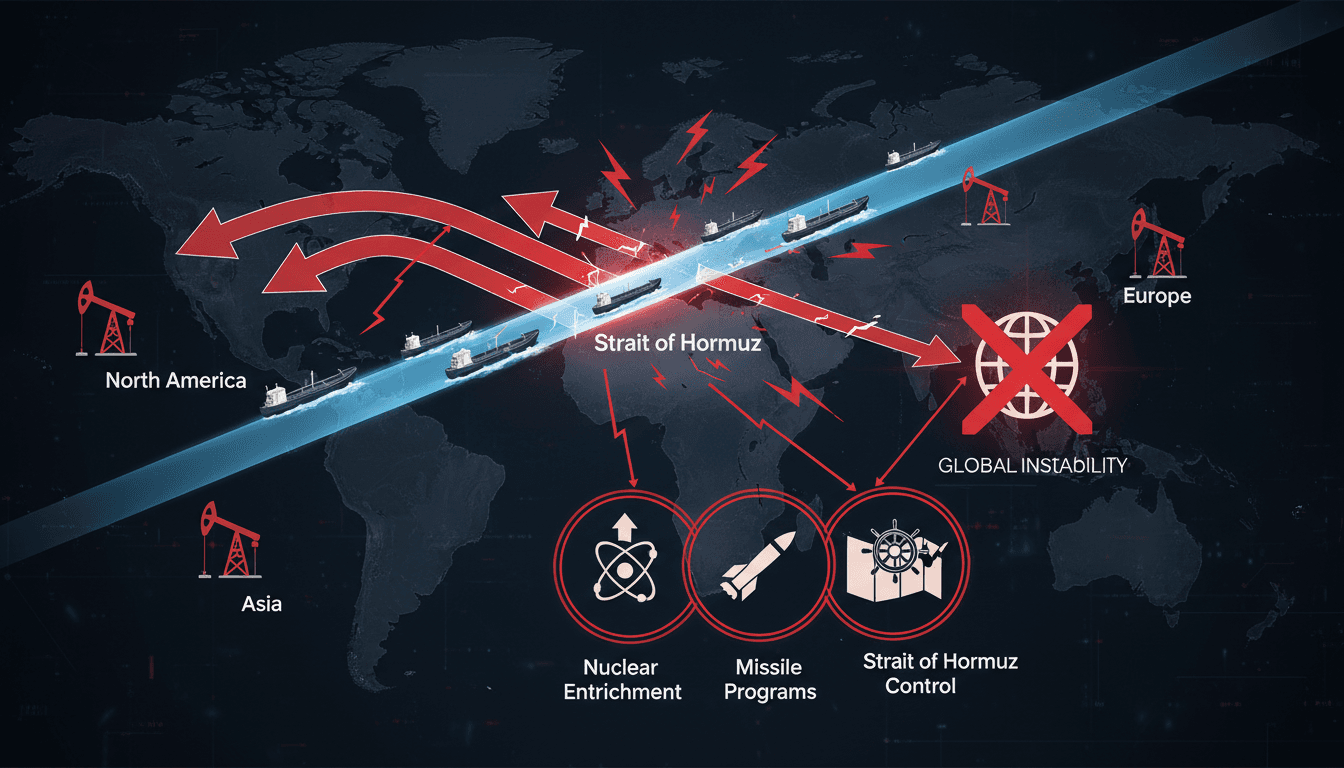
- Key issues include Iran's nuclear enrichment rights, control over the Strait of Hormuz, and funding for regional proxies.
- Persistent gaps between the US and Iranian proposals threaten to prolong instability in the region.
The context you actually need
- Escalating tensions between the US and Iran have roots in the 2018 withdrawal from the JCPOA, leading to increased military confrontations and proxy conflicts.
- The closure of the Strait of Hormuz by Iran has disrupted approximately 20% of global oil and LNG supplies, impacting energy prices and security in the region.
- Previous negotiations in Oman and Vienna failed over nuclear and missile issues, culminating in the recent outbreak of war on February 28, 2026.
What's really happening
The indirect peace talks in Pakistan represent a critical juncture in US-Iran relations, following a series of escalating conflicts that began with the US-Israel strikes on Iranian targets. The war, which erupted on February 28, 2026, has led to significant geopolitical shifts, particularly concerning the Strait of Hormuz, a vital transit route for global energy supplies. The Iranian closure of this strait has already caused fuel price surges exceeding 30% in regions like Dubai, illustrating the immediate economic repercussions of these tensions.
The negotiations, set against a backdrop of a fragile two-week ceasefire, highlight the stark differences between the US and Iranian positions. Iran's 10-point proposal includes demands for enrichment rights, control of the Strait of Hormuz, and sanction relief, while the US insists on a 15-point plan focused on nuclear dismantlement, missile reductions, and cuts to proxy funding. These fundamental discrepancies create a challenging environment for mediation, as neither side appears willing to make significant concessions.
The role of Pakistan as a mediator is crucial, as it seeks to stabilize the region while balancing its own interests. The presence of key figures such as US President Donald Trump and Iranian President Masoud Pezeshkian underscores the high stakes involved. However, skepticism remains prevalent, particularly regarding Iran's willingness to compromise on enrichment and missile programs, which are seen as non-negotiable by Tehran.
The implications of these talks extend beyond immediate diplomatic outcomes. Should the negotiations fail, the potential for renewed conflict looms large, with global energy markets likely to react violently to any escalations. Conversely, a successful agreement could pave the way for a more stable Middle East, but the path to such an outcome is fraught with obstacles.
Who feels it first (and how)
- Energy consumers: Residents in regions like Dubai are already experiencing increased fuel prices due to supply disruptions.
- Global investors: Fluctuations in oil prices will impact investment strategies and market stability.
- Regional governments: Countries reliant on Gulf stability for economic growth will face heightened risks and uncertainties.
What to watch next
- Ceasefire durability: Monitoring the continuation of the ceasefire will be crucial in assessing the likelihood of successful negotiations.
- Market reactions: Watch for volatility in oil markets, particularly in response to any news from the talks or military actions.
- Proxy activities: Increased funding or military actions by Iranian proxies could signal a breakdown in negotiations and escalate tensions further.
The US and Iran have fundamentally opposing views on nuclear enrichment and regional influence.
The negotiations will face significant challenges, with both sides unwilling to make major concessions.
The long-term impact of these talks on regional stability and global energy markets remains uncertain.
Frequently Asked Questions
- Why it matters?
- The ongoing tensions between the US and Iran directly affect global oil markets and regional stability.
- What happened (in 30 seconds)?
- Indirect peace negotiations between the US and Iran, mediated by Pakistan, are set to advance in Islamabad amid a fragile ceasefire. Key issues include Iran's nuclear enrichment rights, control over the Strait of Hormuz, and funding for regional proxies. Persistent gaps between the US and Iranian proposals threaten to prolong instability in the region.
- What's really happening?
- The indirect peace talks in Pakistan represent a critical juncture in US-Iran relations, following a series of escalating conflicts that began with the US-Israel strikes on Iranian targets. The war, which erupted on February 28, 2026, has led to significant geopolitical shifts, particularly concerning the Strait of Hormuz, a vital transit route for global energy supplies. The Iranian closure of this strait has already caused fuel price surges exceeding 30% in regions like Dubai, illustrating the
- Who feels it first (and how)?
- Energy consumers: Residents in regions like Dubai are already experiencing increased fuel prices due to supply disruptions. Global investors: Fluctuations in oil prices will impact investment strategies and market stability. Regional governments: Countries reliant on Gulf stability for economic growth will face heightened risks and uncertainties.
- What to watch next?
- Ceasefire durability: Monitoring the continuation of the ceasefire will be crucial in assessing the likelihood of successful negotiations. Market reactions: Watch for volatility in oil markets, particularly in response to any news from the talks or military actions. Proxy activities: Increased funding or military actions by Iranian proxies could signal a breakdown in negotiations and escalate tensions further.
Pan-Arab news coverage spanning politics, business, sports, and regional affairs.
"Asharq Al-Awsat reflects a broad Arab editorial perspective with strong attention to regional geopolitics."
— A47 Editor
هل تستطيع أميركا وإيران تجاوز خلافاتهما خلال المحادثات؟
The United States and Iran are set to engage in peace talks in Pakistan, which is acting as a mediator, although significant disagreements remain between the two sides on key issues.
Arabic-language UAE newspaper coverage focused on domestic affairs, public institutions, business, society, and regional developments.
"Al Khaleej coverage generally reflects a mainstream UAE editorial lens with strong attention to public affairs, institutions, and regional developments."
— A47 Editor
هل تستطيع أمريكا وإيران تجاوز خلافاتهما خلال المحادثات؟
The United States and Iran are set to hold peace talks in Pakistan, which is acting as a mediator, although significant disagreements remain between the two nations.
Arabic-language reporting focused on domestic developments in Saudi Arabia.
"Okaz is a mainstream Saudi newspaper that often reflects domestic priorities and official-facing coverage."
— A47 Editor
بعد هدنة الأسبوعين.. مسار تفاوضي صعب
The United States and Iran have entered a two-week temporary truce, facilitated by Pakistani mediation, aimed at containing military escalation that threatened to expand the conflict in the region. Despite international support for this fragile step,...