
Pakistan Hosts US-Iran Peace Negotiations Amid Regional Tensions
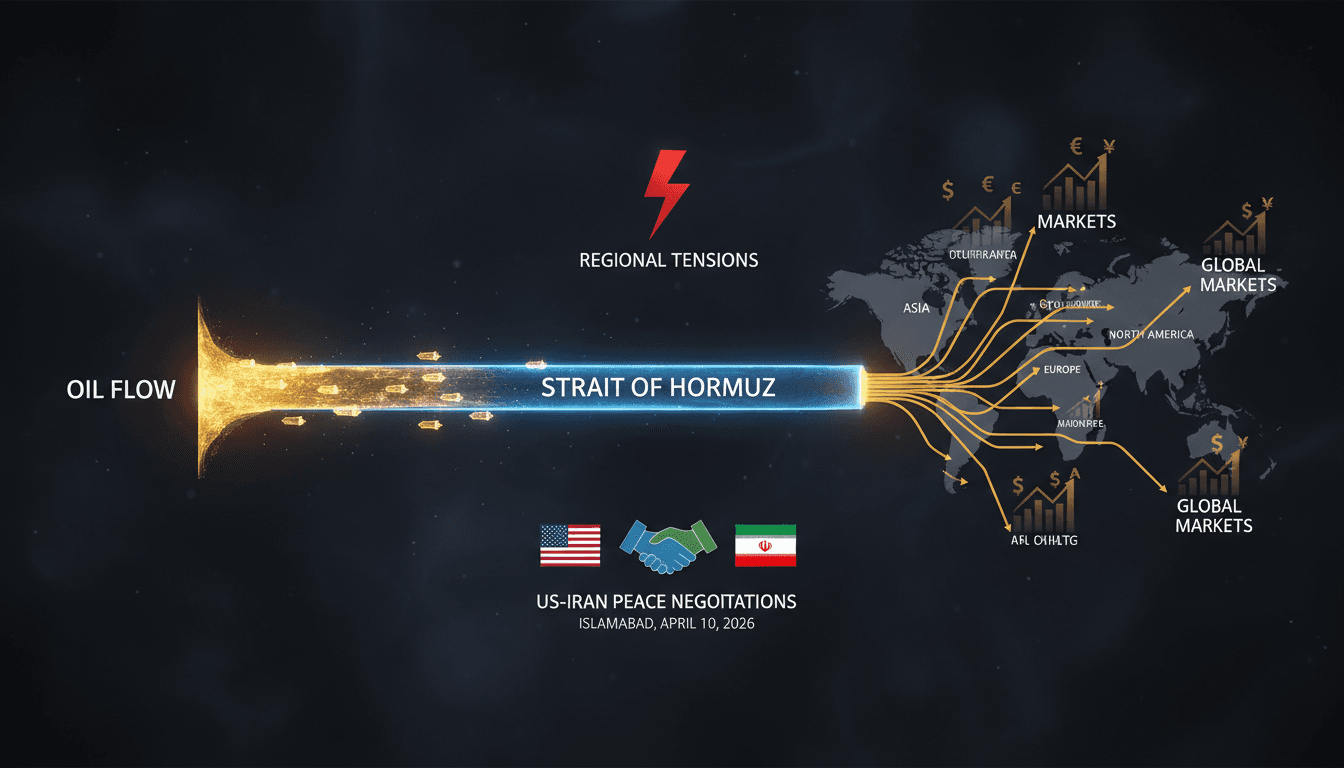
Here's what it means for you.
The outcome of these negotiations could reshape energy markets and geopolitical dynamics, impacting global trade and economic stability.
Why it matters
The resolution of US-Iran tensions could stabilize oil prices and enhance security in a critical shipping corridor.
What happened (in 30 seconds)
- Pakistan has finalized preparations for historic peace negotiations between the US and Iran, starting April 10, 2026.
- Key delegations are in Islamabad, with US Vice President JD Vance and Iran's Parliament Speaker Mohammad Bagher Ghalibaf leading their respective teams.
- Negotiations aim to address critical issues including the Strait of Hormuz, nuclear concerns, and regional ceasefires, following a recent ceasefire brokered by Pakistan.
The context you actually need
- The US-Iran conflict escalated after a US-Israel war on Iran began in February 2026, leading to significant regional instability.
- Pakistan's role as a mediator is bolstered by its historical ties with Iran and strategic interests in maintaining regional peace.
- The closure of the Strait of Hormuz has disrupted 20% of global oil and gas passage, heightening the urgency for diplomatic resolution.
What's really happening
The upcoming US-Iran peace negotiations in Islamabad represent a pivotal moment in Middle Eastern geopolitics. Following the assassination of Iran's Supreme Leader Ayatollah Ali Khamenei in February 2026, the region has been engulfed in conflict, prompting retaliatory actions from Iran, including the closure of the Strait of Hormuz. This closure has had a profound impact on global oil supply, as the Strait is a critical passage for approximately 20% of the world's oil and gas. The resulting tensions have not only led to increased military posturing but have also caused significant casualties and economic disruptions across the region.
Pakistan's involvement as a mediator stems from its unique position. With a 900 km border with Iran and a significant Shia population, Pakistan has cultivated relationships with both Tehran and Washington, making it an ideal host for these negotiations. The Pakistani government, led by Prime Minister Shehbaz Sharif, has been proactive in facilitating dialogue, leveraging its diplomatic ties and regional influence. In March 2026, after consultations with regional powers like Turkey and Egypt, Pakistan offered to host the talks, which were accepted by both parties.
The negotiations are set against a backdrop of a fragile two-week ceasefire brokered by Pakistan, which has temporarily halted hostilities. This ceasefire is crucial as it provides a window for diplomatic engagement, allowing both sides to explore potential agreements on contentious issues such as nuclear capabilities, sanctions relief, and the reopening of the Strait of Hormuz. The stakes are high; failure to reach an agreement could reignite conflict, further destabilizing the region and impacting global markets.
As the delegations arrive in Islamabad, the Pakistani government has implemented strict security measures, including a lockdown of the Red Zone where the talks will take place. This reflects the seriousness of the negotiations and the potential risks involved. The outcome of these discussions will likely influence not only regional stability but also global energy prices and international relations.
Who feels it first (and how)
- Energy Sector: Fluctuations in oil prices will directly impact energy companies and consumers globally.
- Geopolitical Analysts: Experts will closely monitor the negotiations for insights into future US-Iran relations.
- Investors: Market reactions will be swift, affecting stock prices and investment strategies in related sectors.
- Middle Eastern Countries: Neighboring nations will be affected by shifts in regional power dynamics and security arrangements.
What to watch next
- Negotiation Outcomes: The specifics of any agreements reached will be critical in determining the future of US-Iran relations and regional stability.
- Market Reactions: Watch for immediate shifts in oil prices and stock markets following the talks, as these will indicate investor sentiment.
- Regional Responses: Monitor reactions from other Middle Eastern countries, particularly Israel and Saudi Arabia, which may influence the broader geopolitical landscape.
The US and Iran are engaged in direct negotiations mediated by Pakistan.
A temporary ceasefire will hold as both sides seek to negotiate terms.
The long-term implications of any agreements on regional stability and global energy markets.
Frequently Asked Questions
- Why it matters?
- The resolution of US-Iran tensions could stabilize oil prices and enhance security in a critical shipping corridor.
- What happened (in 30 seconds)?
- Pakistan has finalized preparations for historic peace negotiations between the US and Iran, starting April 10, 2026. Key delegations are in Islamabad, with US Vice President JD Vance and Iran's Parliament Speaker Mohammad Bagher Ghalibaf leading their respective teams. Negotiations aim to address critical issues including the Strait of Hormuz, nuclear concerns, and regional ceasefires, following a recent ceasefire brokered by Pakistan.
- What's really happening?
- The upcoming US-Iran peace negotiations in Islamabad represent a pivotal moment in Middle Eastern geopolitics. Following the assassination of Iran's Supreme Leader Ayatollah Ali Khamenei in February 2026, the region has been engulfed in conflict, prompting retaliatory actions from Iran, including the closure of the Strait of Hormuz. This closure has had a profound impact on global oil supply, as the Strait is a critical passage for approximately 20% of the world's oil and gas. The resulting tens
- Who feels it first (and how)?
- Energy Sector: Fluctuations in oil prices will directly impact energy companies and consumers globally. Geopolitical Analysts: Experts will closely monitor the negotiations for insights into future US-Iran relations. Investors: Market reactions will be swift, affecting stock prices and investment strategies in related sectors. Middle Eastern Countries: Neighboring nations will be affected by shifts in regional power dynamics and security arrangements.
- What to watch next?
- Negotiation Outcomes: The specifics of any agreements reached will be critical in determining the future of US-Iran relations and regional stability. Market Reactions: Watch for immediate shifts in oil prices and stock markets following the talks, as these will indicate investor sentiment. Regional Responses: Monitor reactions from other Middle Eastern countries, particularly Israel and Saudi Arabia, which may influence the broader geopolitical landscape.
Arabic-language UAE newspaper coverage focused on domestic affairs, public institutions, business, society, and regional developments.
"Al Khaleej coverage generally reflects a mainstream UAE editorial lens with strong attention to public affairs, institutions, and regional developments."
— A47 Editor
باكستان تستكمل استعداداتها لمفاوضات تاريخية بين أمريكا وإيران
Pakistan's capital, Islamabad, has intensified preparations for direct negotiations between the United States and Iran, set to begin on Saturday. This round of talks follows a fragile two-week ceasefire brokered by Pakistan to end the armed conflict ...
English-language news from Qatar covering domestic and regional affairs.
"Gulf Times reflects Qatari perspectives on regional developments."
— A47 Editor
All eyes on Islamabad as US, Iran set for talks
Islamabad, Pakistan, is set to host the first public direct talks between the United States and Iran in several years, scheduled for Friday. This diplomatic engagement follows a two-week ceasefire agreement facilitated by Pakistan, aimed at addressin...