
Ship Traffic in Strait of Hormuz Remains Minimal Despite US-Iran Ceasefire
Here's what it means for you.
If you're in the shipping industry or rely on oil imports, the ongoing restrictions in the Strait of Hormuz could significantly impact your costs and supply chains.
Why it matters
The Strait of Hormuz is a critical chokepoint for global oil supply, and disruptions here can ripple through economies worldwide.
What happened (in 30 seconds)
- Minimal recovery: On April 8, 2026, only two vessels transited the Strait of Hormuz following a US-Iran ceasefire agreement.
- Severe restrictions: Shipping operators are facing continued uncertainties, with Iranian controls limiting daily transits to around 12 vessels.
- Economic impact: Oil prices fell below $100 per barrel, but analysts warn of potential volatility as the situation remains fluid.
The context you actually need
- Crisis origins: The current situation stems from the Iran War that began on February 28, 2026, when Iran imposed a naval blockade, reducing tanker traffic by over 70%.
- Ceasefire conditions: A conditional two-week ceasefire was announced on April 7, 2026, but implementation has been hampered by unclear protocols and ongoing regional tensions.
- Stranded vessels: Over 400 tankers remain stranded in the Gulf, with around 20,000 seafarers affected, highlighting the human cost of the crisis.
What's really happening
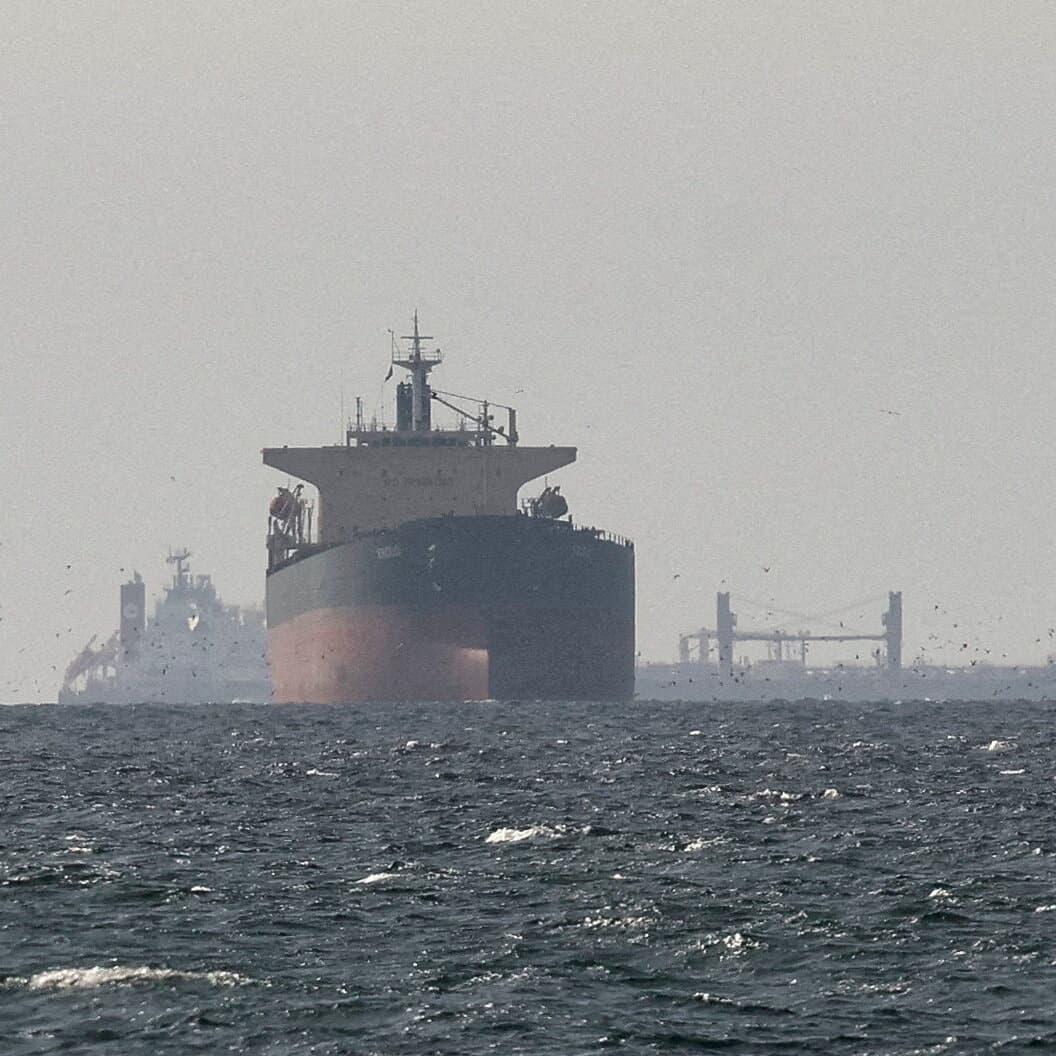
The Strait of Hormuz is a vital maritime corridor, handling approximately one-quarter of global seaborne oil. The recent US-Iran ceasefire, while a positive step, has not led to a significant recovery in ship traffic. On April 8, only two vessels managed to navigate the strait, starkly contrasting with the pre-war average of 100-120 daily transits. This minimal activity reflects the ongoing uncertainties surrounding Iranian controls and the geopolitical landscape.
The Iranian government has imposed strict limitations on vessel transits, citing security concerns and the need to manage potential ceasefire violations, particularly in light of Israeli military actions in Lebanon. Shipping operators are caught in a bind, as they await clearer terms for safe passage while grappling with the risks of navigating a volatile region. The ambiguity surrounding operational protocols has left many firms hesitant to resume normal operations, fearing financial losses or damage to their vessels.
Furthermore, the economic implications are significant. Dubai residents are already experiencing elevated fuel prices and supply chain delays, as the strait's role in regional trade and energy flows becomes increasingly precarious. The war risk premiums for shipping have surged over 16 times normal levels, adding to the costs that will likely be passed on to consumers.
Global markets initially reacted positively to the ceasefire news, with oil prices dipping below $100 per barrel. However, analysts caution that this optimism may be premature. The situation remains fluid, and without a full reopening of the strait, volatility in oil prices and shipping costs is expected to persist. The complexities of the ceasefire negotiations, coupled with the ongoing military tensions in the region, create a precarious environment for shipping operators and consumers alike.
Who feels it first (and how)
- Shipping operators: Facing uncertainty and potential financial losses due to limited vessel transits.
- Oil importers: Experiencing rising costs and supply chain disruptions as a result of the restricted traffic.
- Consumers in Dubai: Dealing with increased fuel prices and potential shortages of imported goods.
- Seafarers: Approximately 20,000 stranded in the Gulf, facing uncertain working conditions and potential job losses.
What to watch next
- Iran's transit limits: Watch for any changes in Iranian policies regarding vessel transits, as this will directly impact shipping operations and costs.
- US-Iran negotiations: The outcome of ongoing talks between the US and Iran could lead to either a stabilization or further escalation of tensions in the region.
- Market reactions: Monitor oil price fluctuations and market responses to any developments in the ceasefire agreement and regional stability.
The Strait of Hormuz is critical for global oil supply, and current traffic is severely restricted.
Continued economic uncertainty for shipping operators and increased costs for consumers in affected regions.
The long-term implications of the ceasefire on regional stability and shipping operations.
Frequently Asked Questions
- Why it matters?
- The Strait of Hormuz is a critical chokepoint for global oil supply, and disruptions here can ripple through economies worldwide.
- What happened (in 30 seconds)?
- Minimal recovery: On April 8, 2026, only two vessels transited the Strait of Hormuz following a US-Iran ceasefire agreement. Severe restrictions: Shipping operators are facing continued uncertainties, with Iranian controls limiting daily transits to around 12 vessels. Economic impact: Oil prices fell below $100 per barrel, but analysts warn of potential volatility as the situation remains fluid.
- What's really happening?
- The Strait of Hormuz is a vital maritime corridor, handling approximately one-quarter of global seaborne oil. The recent US-Iran ceasefire, while a positive step, has not led to a significant recovery in ship traffic. On April 8, only two vessels managed to navigate the strait, starkly contrasting with the pre-war average of 100-120 daily transits. This minimal activity reflects the ongoing uncertainties surrounding Iranian controls and the geopolitical landscape. The Iranian government has imp
- Who feels it first (and how)?
- Shipping operators: Facing uncertainty and potential financial losses due to limited vessel transits. Oil importers: Experiencing rising costs and supply chain disruptions as a result of the restricted traffic. Consumers in Dubai: Dealing with increased fuel prices and potential shortages of imported goods. Seafarers: Approximately 20,000 stranded in the Gulf, facing uncertain working conditions and potential job losses.
- What to watch next?
- Iran's transit limits: Watch for any changes in Iranian policies regarding vessel transits, as this will directly impact shipping operations and costs. US-Iran negotiations: The outcome of ongoing talks between the US and Iran could lead to either a stabilization or further escalation of tensions in the region. Market reactions: Monitor oil price fluctuations and market responses to any developments in the ceasefire agreement and regional stability.
Corporate news, economic trends, and markets with UK and global scope.
"BBC News is widely regarded as reputable and impartial, with a public service mandate."
— A47 Editor
How many ships are crossing the Strait of Hormuz?
Four vessels have crossed the Strait of Hormuz ahead of a US military blockade of Iranian ports set to begin on Monday, highlighting the ongoing maritime tensions in the region.
Global political, business, and cultural coverage from WSJ international desks.
"The Wall Street Journal offers extensive international reporting with a reputation for financial insight and a center-right editorial stance."
— A47 Editor
What’s Happening in the Strait of Hormuz Since the Cease-Fire?
Following a recent ceasefire agreement between the United States and Iran, limited maritime traffic has resumed in the Strait of Hormuz, with Iran imposing tolls of up to $2 million per ship. This development marks a cautious reopening of a critical ...
International coverage of politics, culture, and current affairs.
"BBC News is widely regarded as a reputable international news organization, known for its impartial tone and public service mandate."
— A47 Editor
Ships remain cautious approaching Strait of Hormuz amid fragile ceasefire
Following a recent ceasefire agreement between the United States and Iran, only a limited number of vessels have cautiously navigated the Strait of Hormuz, a critical maritime route. This analysis by BBC Verify highlights the ongoing hesitance among ...
Global business headlines with AI angles.
"General business outlet that frequently covers AI."
— A47 Editor
Iran Now Says It Will Limit Transit In Strait Of Hormuz To a Dozen Ships a Day And Charge Fees Despite Ceasefire
Iran has announced it will limit the transit of ships through the Strait of Hormuz to a maximum of twelve vessels per day and impose fees, a significant shift from previous U.S. statements following a ceasefire agreement. This decision comes amid ong...
European coverage of Middle East politics and security issues.
"France 24 offers international reporting with a European editorial perspective."
— A47 Editor
Iran continues to target Gulf countries despite ceasefire announcement
Despite a recent two-week ceasefire agreement between the United States and Iran, which includes Iran's commitment to reopen the strategically vital Strait of Hormuz, Iran continues to target Gulf countries, raising concerns about regional stability....
Coverage of current events and conflicts in the Middle East.
"France 24 is viewed as a globally focused outlet with balanced coverage and a European perspective."
— A47 Editor
Iran continues to target Gulf countries despite ceasefire announcement
Despite a recent two-week ceasefire agreement between the United States and Iran, which includes Iran's commitment to reopen the strategically vital Strait of Hormuz, Iran continues to target Gulf countries, raising concerns about regional stability....
Markets, economy, and company analysis from NYT’s business desk.
"The New York Times is a globally recognized newspaper offering authoritative reporting with a center-left editorial stance."
— A47 Editor
After Iran Cease-Fire, Ship Traffic in Strait of Hormuz Remains Throttled
Following a recent two-week ceasefire agreement between the U.S. and Iran, ship traffic in the strategically vital Strait of Hormuz remains significantly reduced, with only a few vessels crossing since the truce began. The ongoing war has led to a ca...
English-language reporting on Saudi politics, policy, and society.
"Saudi Gazette reflects mainstream Saudi institutional perspectives."
— A47 Editor
First ships pass through Strait of Hormuz since ceasefire
The first ships have successfully navigated the Strait of Hormuz following a ceasefire agreement between the United States and Iran, marking a significant development in maritime traffic in the region. The Greek-owned bulk carrier NJ Earth and the Li...
Global business headlines with AI angles.
"General business outlet that frequently covers AI."
— A47 Editor
Is Strait of Hormuz Open Now? Strait of Hormuz Partially Reopens Under Fragile US-Iran Ceasefire
The Strait of Hormuz, a critical maritime route for global oil and liquefied natural gas, has partially reopened under a fragile ceasefire between the United States and Iran, allowing selective passage for approved vessels while many ships remain idl...
Pan-Arab news coverage spanning politics, business, sports, and regional affairs.
"Asharq Al-Awsat reflects a broad Arab editorial perspective with strong attention to regional geopolitics."
— A47 Editor
استئناف الحركة في مضيق هرمز عقب وقف إطلاق النار
Two ships crossed the Strait of Hormuz on Wednesday, following Iran's agreement to reopen the waterway as part of a ceasefire deal with the United States. This development marks a significant step towards easing tensions in the region, which has been...
Arabic-language UAE newspaper coverage focused on domestic affairs, public institutions, business, society, and regional developments.
"Al Khaleej coverage generally reflects a mainstream UAE editorial lens with strong attention to public affairs, institutions, and regional developments."
— A47 Editor
«مارين ترافيك»: استئناف حركة الملاحة في مضيق هرمز
Two ships have successfully crossed the Strait of Hormuz following Iran's agreement to reopen the waterway as part of a ceasefire agreement with the United States. This development marks a significant step towards easing tensions in the region and re...