
Pakistan Army Chief Facilitates US-Iran Negotiations in Tehran
Here's what it means for you.
The outcome of these negotiations could significantly impact global oil prices and trade routes, affecting your cost of living and investment strategies.
Why it matters
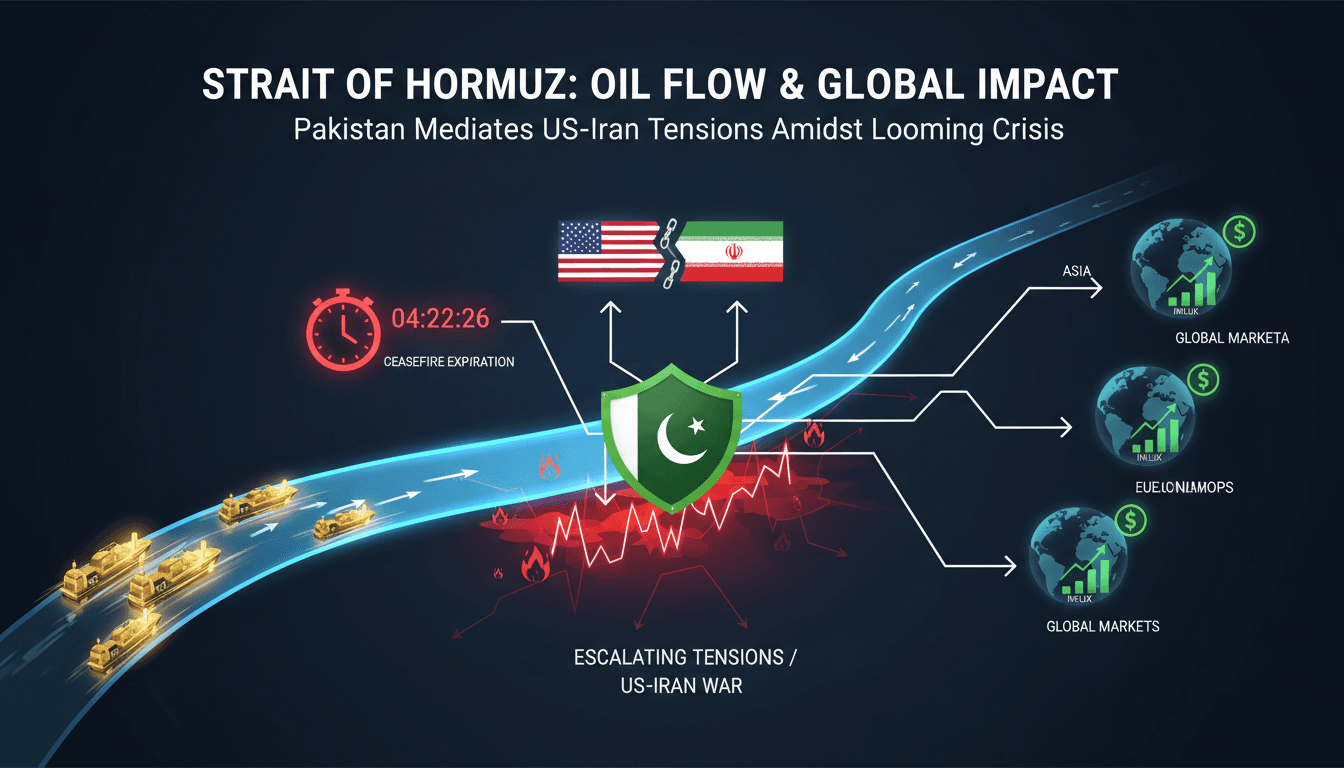
The US-Iran conflict directly influences global energy markets, with the Strait of Hormuz being a critical transit point for oil.
What happened (in 30 seconds)
- Field Marshal Asim Munir of Pakistan arrived in Tehran on April 15, 2026, to facilitate the next round of US-Iran negotiations.
- Initial talks in Islamabad ended without agreement on April 12, amid escalating tensions and a looming ceasefire expiration on April 22.
- Pakistan's role as a mediator is crucial, leveraging its relationships with both the US and Iran to promote dialogue.
The context you actually need
- Pakistan's mediation stems from its unique position, having strong ties with both the US and Iran, which it has cultivated over years.
- The US-Iran war has already resulted in significant casualties, with 3,000 individuals killed in Iran, highlighting the urgent need for a resolution.
- Global trade is under threat due to competing naval blockades, which have already disrupted shipping routes and raised concerns about energy prices.
What's really happening
The US-Iran conflict has escalated dramatically since early 2026, with both nations engaging in military posturing and economic sanctions. Pakistan's Army Chief, Field Marshal Asim Munir, has emerged as a pivotal figure in mediating discussions between the two nations. His rapport with US President Donald Trump and longstanding ties with Iran have positioned Pakistan as a neutral ground for negotiations.
In March 2026, Pakistan proposed to host talks after consultations with regional powers, including Saudi Arabia, Turkiye, and Egypt. This diplomatic initiative was crucial as initial indirect negotiations in Islamabad from April 9-12 failed to yield any agreements on critical issues such as nuclear enrichment, sanctions relief, and access to the Strait of Hormuz. The failure of these talks has heightened tensions, with military threats from Iran and ongoing US naval blockades disrupting global trade.
The stakes are high, as the Strait of Hormuz is a vital artery for global oil transport, accounting for approximately 20% of the world's oil supply. The ongoing conflict has already resulted in significant economic repercussions, including a decline in Dubai's stock index by 0.8% following the failed negotiations. This decline reflects investor fears of prolonged blockades and their potential impact on energy costs and trade.
As the April 22 ceasefire deadline approaches, the urgency for a resolution intensifies. Munir's delegation aims to convey US positions to Iranian officials and prepare for resumed talks. The outcome of these negotiations will not only affect regional stability but also have far-reaching implications for global markets and trade dynamics.
Who feels it first (and how)
- Energy sector professionals: Fluctuations in oil prices will directly impact their operations and profitability.
- Investors: Market volatility in the Gulf region could affect investment strategies and returns.
- Consumers: Rising energy costs may lead to increased prices for goods and services, impacting daily expenses.
What to watch next
- Ceasefire extension: If the ceasefire is extended beyond April 22, it could provide a window for more productive negotiations.
- US-Iran dialogue outcomes: Any agreements reached could stabilize oil prices and restore investor confidence in the region.
- Regional diplomatic shifts: Watch for changes in alliances or support from Gulf nations, which could influence the negotiation dynamics.
The US-Iran conflict has resulted in significant casualties and economic disruptions.
Continued mediation efforts by Pakistan may lead to further rounds of negotiations.
The long-term impact of these negotiations on regional stability and global oil markets remains uncertain.
Frequently Asked Questions
- Why it matters?
- The US-Iran conflict directly influences global energy markets, with the Strait of Hormuz being a critical transit point for oil.
- What happened (in 30 seconds)?
- Field Marshal Asim Munir of Pakistan arrived in Tehran on April 15, 2026, to facilitate the next round of US-Iran negotiations. Initial talks in Islamabad ended without agreement on April 12, amid escalating tensions and a looming ceasefire expiration on April 22. Pakistan's role as a mediator is crucial, leveraging its relationships with both the US and Iran to promote dialogue.
- What's really happening?
- The US-Iran conflict has escalated dramatically since early 2026, with both nations engaging in military posturing and economic sanctions. Pakistan's Army Chief, Field Marshal Asim Munir, has emerged as a pivotal figure in mediating discussions between the two nations. His rapport with US President Donald Trump and longstanding ties with Iran have positioned Pakistan as a neutral ground for negotiations. In March 2026, Pakistan proposed to host talks after consultations with regional powers, in
- Who feels it first (and how)?
- Energy sector professionals: Fluctuations in oil prices will directly impact their operations and profitability. Investors: Market volatility in the Gulf region could affect investment strategies and returns. Consumers: Rising energy costs may lead to increased prices for goods and services, impacting daily expenses.
- What to watch next?
- Ceasefire extension: If the ceasefire is extended beyond April 22, it could provide a window for more productive negotiations. US-Iran dialogue outcomes: Any agreements reached could stabilize oil prices and restore investor confidence in the region. Regional diplomatic shifts: Watch for changes in alliances or support from Gulf nations, which could influence the negotiation dynamics.
Global news coverage with extensive reporting on Middle Eastern conflicts and geopolitics.
"Al Jazeera is a Qatar-based broadcaster known for wide regional coverage and alternative perspectives."
— A47 Editor
Pakistan army chief in Tehran to advance next round of US-Iran talks
The Chief of the Pakistan Army, Asim Munir, is currently in Tehran to facilitate the next round of US-Iran negotiations, with sources indicating optimism for progress on Iran's nuclear program. This visit follows a fragile ceasefire and aims to build...
Comprehensive coverage of Middle Eastern and global issues.
"Al Jazeera is a prominent voice from the Global South, especially the Middle East, with an emphasis on underreported stories."
— A47 Editor
Pakistan army chief in Tehran to advance next round of US-Iran talks
The Chief of the Pakistan Army, Asim Munir, is currently in Tehran to facilitate the next round of US-Iran negotiations, with sources indicating optimism for progress on Iran's nuclear program. This visit follows a fragile ceasefire and aims to build...
International news coverage curated for readers in the UAE and Gulf region.
"Emirates 24|7 world coverage presents global developments through a UAE-facing and Gulf-relevant editorial lens."
— A47 Editor
Trump says Iran war 'close to over'; Pakistan army chief arrives in Tehran Trump says Iran war 'close to over'; Pakistan army chief arrives in Tehran
U.S. President Donald Trump announced that the war with Iran is 'close to over' while Pakistan's army chief, Field Marshal Asim Munir, arrived in Tehran to mediate discussions aimed at preventing further conflict. This diplomatic effort follows unsuc...