
Escalating Nomination Fees in African Elections Limit Candidate Diversity and Voter Choice
Here's what it means for you.
The rising costs of political candidacy in Africa could reshape the landscape of democratic participation and influence investment opportunities.
Why it matters
Escalating nomination fees are consolidating power among the wealthy, limiting voter choice and undermining democratic processes across Africa.
What happened (in 30 seconds)
- Presidential elections took place in Djibouti on April 10, 2026, and in Benin on April 12, 2026, highlighting a trend of rising nomination fees.
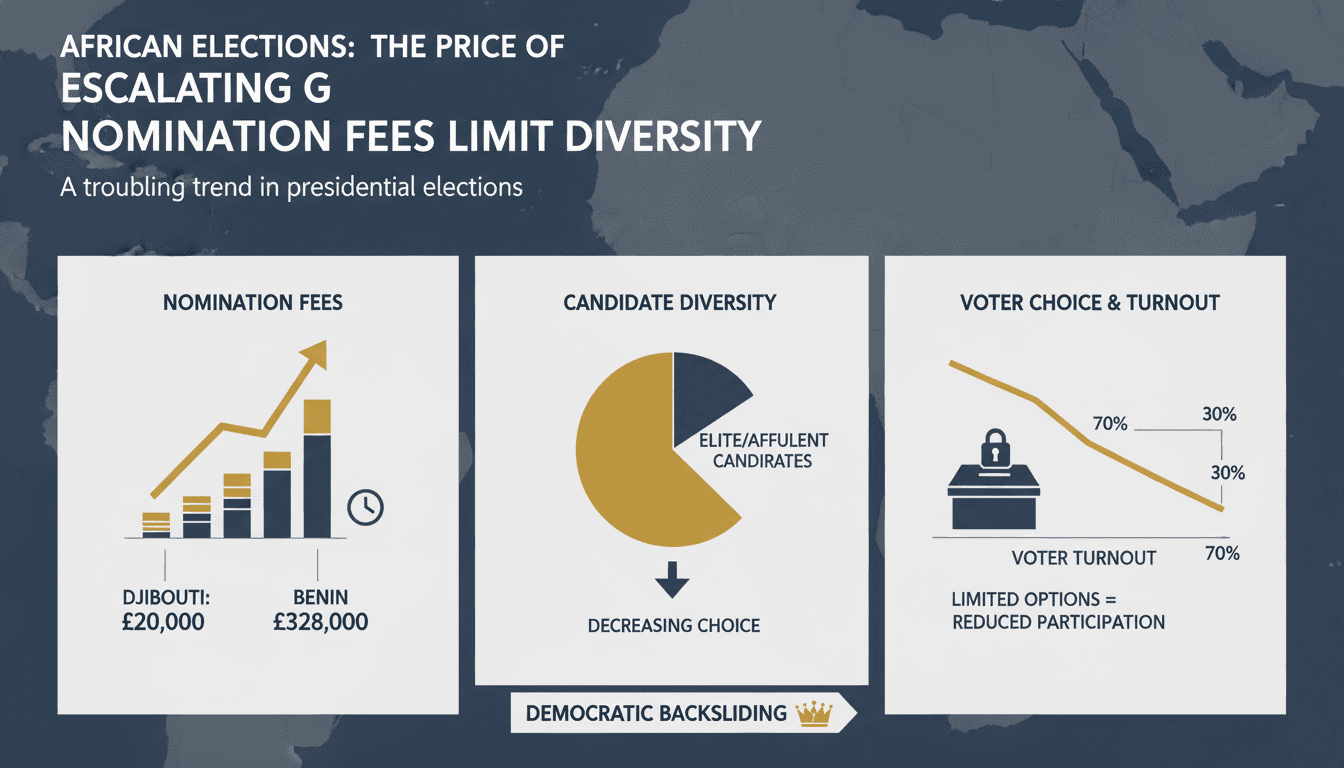
- Nomination fees reached approximately £20,000 in Djibouti and £328,000 in Benin, effectively excluding non-affluent candidates.
- Incumbents secured overwhelming victories, with Ismaïl Omar Guelleh winning 97.8% of the vote in Djibouti and Romuald Wadagni leading in Benin amid limited competition.
The context you actually need
- Nomination fees have surged across Africa, with Zimbabwe's fees increasing by 1,900% to £15,000 in 2023, prompting opposition boycotts.
- Critics argue that these fees entrench elite power and foster corruption, undermining the democratic process.
- Eighteen African nations are scheduled for elections in 2026, raising concerns about democratic backsliding, particularly in countries like Djibouti.
What's really happening
The recent presidential elections in Djibouti and Benin underscore a troubling trend in African politics: the rising cost of candidacy is effectively filtering out non-wealthy candidates, thereby consolidating power among the elite. In Djibouti, the nomination fee of £20,000 is only refundable if a candidate secures more than 10% of the vote, creating a significant financial risk for those without substantial backing. This financial barrier has led to a lack of viable opposition, as seen in the low voter turnout and the resignation of former adviser Alexis Mohamed, who cited both the prohibitive fees and security risks as deterrents.
In Benin, the situation is even more pronounced, with nomination fees soaring to £328,000. This staggering amount has limited the pool of candidates to those with substantial financial resources, effectively sidelining grassroots movements and reducing the diversity of political representation. The frontrunner, Finance Minister Romuald Wadagni, advanced with little competition, as opposition parties conceded defeat before the final tally was announced.
The implications of these rising fees extend beyond individual elections; they reflect a broader systemic issue within African democracies. As nomination fees increase, the political landscape becomes increasingly dominated by wealthy elites, which can lead to a cycle of corruption and disenfranchisement. Critics, including political analysts like Motlapele Raleru and Michael Wahman, have labeled these fees as "wealth tests" that not only limit competition but also enable corrupt practices, further entrenching the status quo.
Moreover, the geopolitical context is critical. With 18 national elections scheduled across Africa in 2026, the trend of rising nomination fees raises alarms about the future of democratic governance on the continent. Countries like Djibouti, where constitutional changes have removed term and age limits for incumbents, exemplify the risks of democratic backsliding. The financial barriers to candidacy may deter potential leaders who could bring about necessary reforms, leaving incumbents unchallenged and voters with fewer choices.
Who feels it first (and how)
- Aspiring candidates: Individuals from lower-income backgrounds are effectively barred from running for office.
- Voters: Citizens face reduced choices at the polls, impacting their representation and voice in governance.
- Political parties: Opposition parties struggle to field candidates, weakening their ability to challenge incumbents.
- Investors: Businesses may face instability in regions with weakened democratic processes, affecting investment decisions.
What to watch next
- Opposition movements: Monitor how opposition parties respond to these financial barriers and whether they can mobilize grassroots support.
- Voter turnout: Keep an eye on voter engagement levels in upcoming elections, as low turnout may signal disillusionment with the political process.
- International reactions: Watch for responses from international organizations regarding the implications of rising nomination fees on democratic governance in Africa.
Rising nomination fees are limiting competition and consolidating power among wealthy candidates.
Continued disenfranchisement of lower-income candidates will lead to reduced voter choice and engagement.
The long-term impact on democratic processes and governance in Africa remains uncertain as these trends evolve.
Frequently Asked Questions
- Why it matters?
- Escalating nomination fees are consolidating power among the wealthy, limiting voter choice and undermining democratic processes across Africa.
- What happened (in 30 seconds)?
- Presidential elections took place in Djibouti on April 10, 2026, and in Benin on April 12, 2026, highlighting a trend of rising nomination fees. Nomination fees reached approximately £20,000 in Djibouti and £328,000 in Benin, effectively excluding non-affluent candidates. Incumbents secured overwhelming victories, with Ismaïl Omar Guelleh winning 97.8% of the vote in Djibouti and Romuald Wadagni leading in Benin amid limited competition.
- What's really happening?
- The recent presidential elections in Djibouti and Benin underscore a troubling trend in African politics: the rising cost of candidacy is effectively filtering out non-wealthy candidates, thereby consolidating power among the elite. In Djibouti, the nomination fee of £20,000 is only refundable if a candidate secures more than 10% of the vote, creating a significant financial risk for those without substantial backing. This financial barrier has led to a lack of viable opposition, as seen in the
- Who feels it first (and how)?
- Aspiring candidates: Individuals from lower-income backgrounds are effectively barred from running for office. Voters: Citizens face reduced choices at the polls, impacting their representation and voice in governance. Political parties: Opposition parties struggle to field candidates, weakening their ability to challenge incumbents. Investors: Businesses may face instability in regions with weakened democratic processes, affecting investment decisions.
- What to watch next?
- Opposition movements: Monitor how opposition parties respond to these financial barriers and whether they can mobilize grassroots support. Voter turnout: Keep an eye on voter engagement levels in upcoming elections, as low turnout may signal disillusionment with the political process. International reactions: Watch for responses from international organizations regarding the implications of rising nomination fees on democratic governance in Africa.
International coverage from The Guardian's global desks.
"The Guardian is known for its progressive editorial stance and in-depth analysis."
— A47 Editor
And the election winner is … the candidate who can afford Africa’s soaring nomination fees
The recent presidential elections in Djibouti and Benin underscored the challenges posed by high nomination fees, which are reshaping the political landscape in these countries. In Djibouti, former adviser Alexis Mohamed was unable to participate due...
International coverage of politics, culture, and current affairs.
"BBC News is widely regarded as a reputable international news organization, known for its impartial tone and public service mandate."
— A47 Editor
Djibouti's president wins unprecedented sixth term with 97.8% of vote
Ismail Omar Guelleh, the President of Djibouti, has secured an unprecedented sixth term in office, winning 97.8% of the vote in an election that was boycotted by major opposition candidates. This victory extends his 27-year rule, which began in 1999,...
Comprehensive coverage of Middle Eastern and global issues.
"Al Jazeera is a prominent voice from the Global South, especially the Middle East, with an emphasis on underreported stories."
— A47 Editor
Djibouti’s President Guelleh wins sixth straight term in office
Djibouti's President Ismail Omar Guelleh has been declared the winner of the presidential election, securing 97 percent of the vote, marking his sixth consecutive term in office since he first took power in 1999. This election has been characterized ...