
U.S. Military Initiates Global Operations to Seize Iran-Linked Vessels
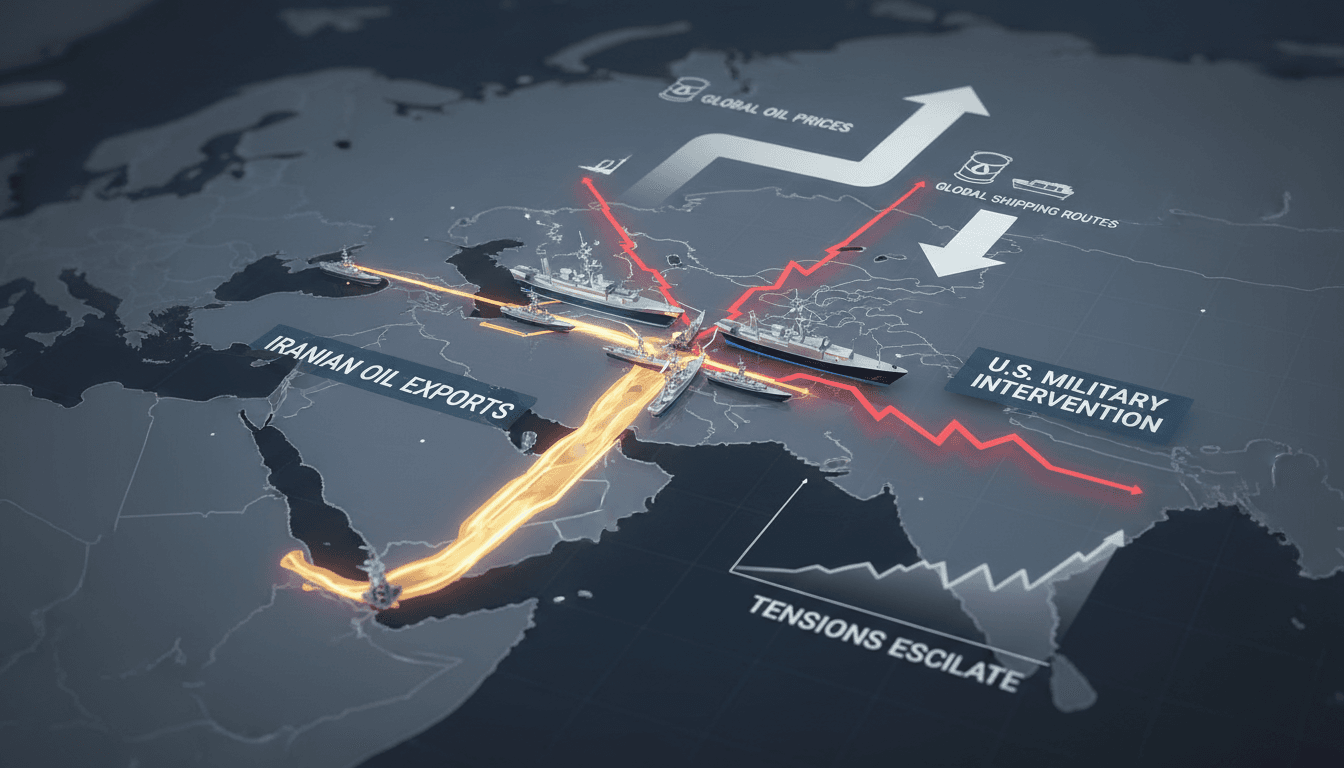
Here's what it means for you.
If you rely on global oil markets, prepare for potential price fluctuations and supply chain disruptions.
Why it matters
This military action could significantly impact global oil prices and shipping routes, affecting economies worldwide.
What happened (in 30 seconds)
- U.S. military officials announced preparations to board and seize Iran-linked oil tankers in international waters.
- Operations dubbed 'Economic Fury' expand a naval blockade of Iranian ports, aiming to disrupt illicit oil exports.
- 23 vessels have already been turned back from Iranian ports since the blockade began on April 14, 2026.
The context you actually need
- The U.S.-Iran conflict escalated after an Israeli airstrike killed Iran's Supreme Leader, leading to a fragile ceasefire and failed nuclear talks.
- Iran's shadow fleet has been evading sanctions, exporting approximately 1.6 million barrels of oil daily, primarily to China.
- The Strait of Hormuz is a critical chokepoint for global oil shipments, and Iran's military has declared it "strictly controlled," increasing tensions in the region.
What's really happening
The U.S. military's preparations to board and seize Iran-linked vessels are part of a broader strategy to exert economic pressure on Iran amid ongoing geopolitical tensions. Following the assassination of Ayatollah Ali Khamenei in February 2026, the U.S. and its allies have been increasingly concerned about Iran's nuclear ambitions and its ability to export oil despite international sanctions. The naval blockade initiated on April 14, 2026, is a direct response to Iran's aggressive posture in the Strait of Hormuz, where it has threatened commercial shipping.
The U.S. Central Command has reported that 23 vessels have been turned back from Iranian ports since the blockade began, indicating the effectiveness of this strategy. The operations, labeled 'Economic Fury,' signal a shift in U.S. military engagement, moving from a defensive posture to a more proactive approach aimed at disrupting Iran's shadow fleet. This fleet has been crucial for Iran's oil exports, allowing it to circumvent sanctions and maintain a flow of revenue.
The implications of these actions are significant. By targeting Iran's oil exports, the U.S. aims to weaken its economy and limit its military capabilities. This could lead to a decrease in oil supply on the global market, which may drive prices up, affecting consumers and businesses worldwide. Additionally, the U.S. military's global pursuit of Iran-linked vessels could escalate tensions in international waters, potentially leading to confrontations with other nations that may support Iran.
As the U.S. Navy and Marines prepare for imminent boardings, the situation remains fluid. The White House has expressed optimism that economic leverage will lead to a peaceful resolution, but Iran's military has responded defiantly, declaring the Strait of Hormuz closed to foreign vessels. This standoff could result in increased shipping costs and delays, impacting global trade and energy prices.
Who feels it first (and how)
- Oil consumers: Higher prices at the pump and increased costs for goods reliant on oil.
- Shipping companies: Potential rerouting and delays, leading to increased operational costs.
- Businesses in oil-dependent sectors: Fluctuating prices may affect profit margins and operational budgets.
- Investors: Volatility in oil markets could impact stock prices and investment strategies.
What to watch next
- Oil price fluctuations: Monitor Brent crude prices, which have already exceeded $90 per barrel due to Hormuz disruptions.
- Shipping routes: Watch for changes in shipping patterns as companies reroute to avoid conflict zones.
- Diplomatic negotiations: Keep an eye on any renewed talks between the U.S. and Iran regarding nuclear agreements and maritime security.
The U.S. military is actively preparing to board Iran-linked vessels.
Oil prices will experience volatility as markets react to military actions and geopolitical tensions.
The long-term effectiveness of the blockade in achieving U.S. objectives regarding Iran's nuclear program.
Frequently Asked Questions
- Why it matters?
- This military action could significantly impact global oil prices and shipping routes, affecting economies worldwide.
- What happened (in 30 seconds)?
- U.S. military officials announced preparations to board and seize Iran-linked oil tankers in international waters. Operations dubbed 'Economic Fury' expand a naval blockade of Iranian ports, aiming to disrupt illicit oil exports. 23 vessels have already been turned back from Iranian ports since the blockade began on April 14, 2026.
- What's really happening?
- The U.S. military's preparations to board and seize Iran-linked vessels are part of a broader strategy to exert economic pressure on Iran amid ongoing geopolitical tensions. Following the assassination of Ayatollah Ali Khamenei in February 2026, the U.S. and its allies have been increasingly concerned about Iran's nuclear ambitions and its ability to export oil despite international sanctions. The naval blockade initiated on April 14, 2026, is a direct response to Iran's aggressive posture in th
- Who feels it first (and how)?
- Oil consumers: Higher prices at the pump and increased costs for goods reliant on oil. Shipping companies: Potential rerouting and delays, leading to increased operational costs. Businesses in oil-dependent sectors: Fluctuating prices may affect profit margins and operational budgets. Investors: Volatility in oil markets could impact stock prices and investment strategies.
- What to watch next?
- Oil price fluctuations: Monitor Brent crude prices, which have already exceeded $90 per barrel due to Hormuz disruptions. Shipping routes: Watch for changes in shipping patterns as companies reroute to avoid conflict zones. Diplomatic negotiations: Keep an eye on any renewed talks between the U.S. and Iran regarding nuclear agreements and maritime security.
Capitol Hill news, legislation, and policy insight.
"The Hill specializes in U.S. politics and policy, with a focus on Capitol Hill developments and a reputation for insider reporting."
— A47 Editor
US military prepares to board Iran-linked vessels
The U.S. military is preparing to board vessels linked to Iran and seize commercial ships in international waters, as part of an expanded naval blockade on the Strait of Hormuz announced by President Trump. This action follows the collapse of peace t...
Arabic-language political and world news coverage for UAE readers.
"Emarat Al Youm world coverage usually presents international developments through a UAE and Arab audience lens."
— A47 Editor
وول ستريت جورنال: الجيش الأميركي يستعد لمداهمة سفن مرتبطة بإيران وول ستريت جورنال: الجيش الأميركي يستعد لمداهمة سفن مرتبطة بإيران
The Wall Street Journal reported that U.S. military officials are preparing for potential raids on ships linked to Iran in the coming days. This development highlights ongoing tensions between the United States and Iran, particularly concerning marit...
Global markets, investing, and macroeconomics from a premier financial newsroom.
"Bloomberg is respected for in-depth financial reporting and data-driven analysis."
— A47 Editor
US Preparing to Board Iran-Linked Ships in Coming Days, WSJ Says
The US military is reportedly preparing to board oil tankers linked to Iran and seize commercial ships in international waters, as reported by the Wall Street Journal, citing unnamed US officials. This action is part of a broader strategy to exert pr...