
Iranian Delegation Arrives in Islamabad for US-Iran Ceasefire Negotiations
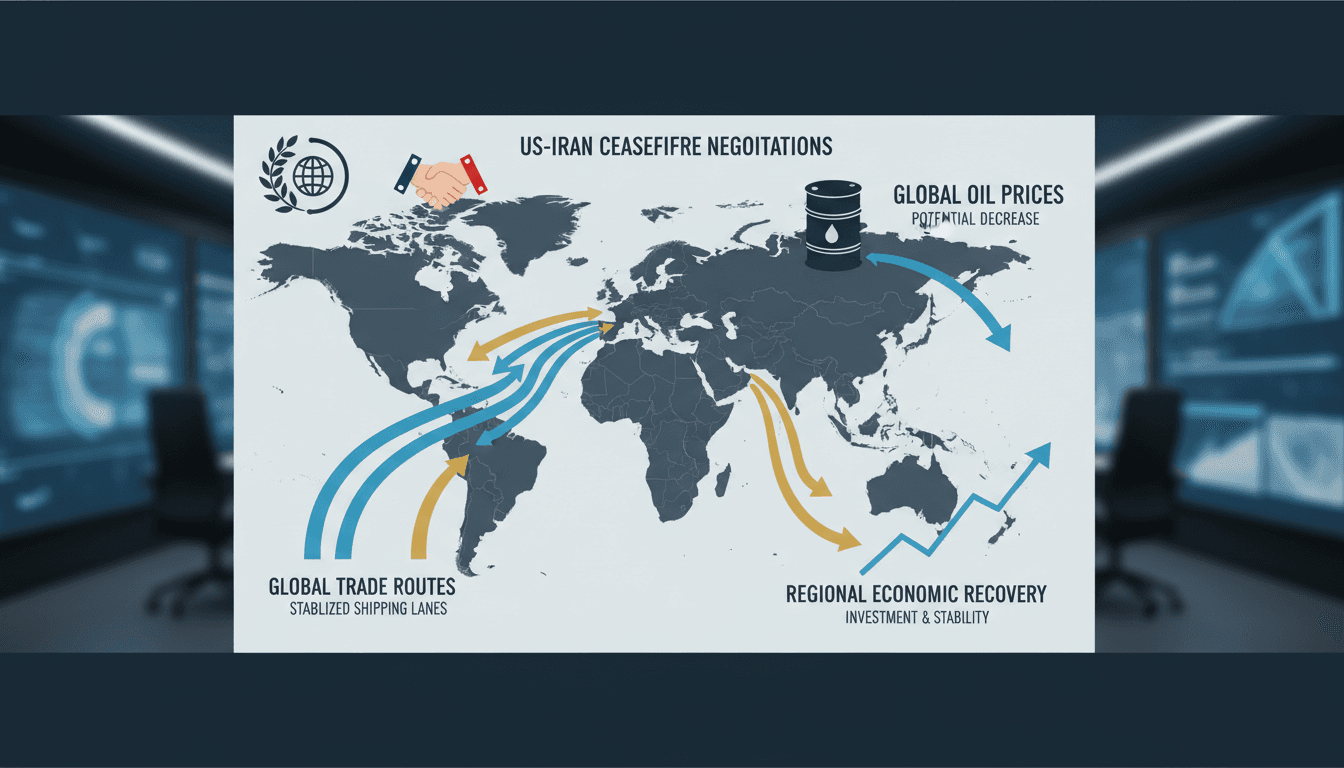
Here's what it means for you.
The outcome of these negotiations could significantly impact global oil prices and trade dynamics, affecting your cost of living.
Why it matters
A successful ceasefire could stabilize oil markets and reduce inflationary pressures on consumers worldwide.
What happened (in 30 seconds)
- An Iranian delegation led by Parliament Speaker Ghalibaf arrived in Islamabad on April 10, 2026, for ceasefire negotiations with the US.
- The talks aim to extend a two-week ceasefire declared on April 7, 2026, and address critical issues like the Strait of Hormuz and Iran's nuclear program.
- Negotiations are contingent on US acceptance of Iranian preconditions, including a ceasefire in Lebanon and the release of frozen assets.
The context you actually need
- The US-Iran war began on February 28, 2026, following US-Israeli strikes on Iranian nuclear sites, escalating tensions and military actions.
- Iran's closure of the Strait of Hormuz has disrupted global oil supplies, leading to increased prices and economic strain on oil-dependent nations.
- Pakistan has stepped in as a mediator after previous diplomatic efforts stalled, highlighting its strategic role in regional stability.
What's really happening
The ongoing US-Iran war has its roots in a series of failed negotiations regarding Iran's nuclear program, which have been a point of contention for years. The conflict escalated dramatically after US-Israeli strikes targeted Iranian nuclear facilities on February 28, 2026, killing key Iranian leaders and prompting a swift military response from Iran. This marked a significant shift in the geopolitical landscape, with both sides engaging in military actions that have led to widespread instability in the region.
The temporary ceasefire declared on April 7, 2026, was a response to the mounting pressures from both domestic and international fronts. The economic ramifications of the war have been severe, with estimates suggesting that Arab countries could incur up to $194 billion in losses from just one month of conflict. This economic strain is felt across various sectors, particularly in oil-dependent economies, where rising fuel prices directly impact consumers.
The negotiations in Islamabad are crucial for several reasons. Firstly, they represent a rare opportunity for direct dialogue between the US and Iran, facilitated by Pakistan, which has positioned itself as a neutral mediator. The presence of high-ranking officials from both sides indicates the seriousness of the discussions. However, the success of these talks hinges on the US's willingness to meet Iranian preconditions, which include a ceasefire in Lebanon and the release of frozen Iranian assets.
If the talks succeed, it could lead to the reopening of the Strait of Hormuz, a vital shipping lane for global oil supplies. This would not only stabilize Brent crude prices, which have surged above $120 per barrel, but also alleviate inflationary pressures on consumers in regions like Dubai, where fuel costs significantly affect daily living expenses. Additionally, easing shipping disruptions would bolster trade hubs in the UAE, supporting regional economic recovery amid the ongoing volatility.
However, the situation remains precarious. The Iranian military is on high alert, and Israel continues its operations in Lebanon, complicating the ceasefire efforts. The outcome of these negotiations will have far-reaching implications, not just for the immediate parties involved but for global markets and consumers as well.
Who feels it first (and how)
- Consumers in oil-dependent countries: Higher fuel prices directly affect daily living costs.
- Businesses reliant on stable oil prices: Fluctuations can impact operational costs and profitability.
- Regional economies in the Middle East: Economic recovery hinges on stability in trade routes and oil supply.
What to watch next
- US acceptance of Iranian preconditions: This will determine the feasibility of a lasting ceasefire and subsequent negotiations.
- Market reactions to oil price fluctuations: Watch for changes in Brent crude prices as negotiations progress.
- Military developments in Lebanon and Israel: Continued hostilities could derail talks and escalate tensions further.
The Iranian delegation has arrived in Islamabad for negotiations.
The outcome of talks will influence global oil prices and regional stability.
Whether the US will agree to Iranian preconditions and how this will affect the ceasefire.
Frequently Asked Questions
- Why it matters?
- A successful ceasefire could stabilize oil markets and reduce inflationary pressures on consumers worldwide.
- What happened (in 30 seconds)?
- An Iranian delegation led by Parliament Speaker Ghalibaf arrived in Islamabad on April 10, 2026, for ceasefire negotiations with the US. The talks aim to extend a two-week ceasefire declared on April 7, 2026, and address critical issues like the Strait of Hormuz and Iran's nuclear program. Negotiations are contingent on US acceptance of Iranian preconditions, including a ceasefire in Lebanon and the release of frozen assets.
- What's really happening?
- The ongoing US-Iran war has its roots in a series of failed negotiations regarding Iran's nuclear program, which have been a point of contention for years. The conflict escalated dramatically after US-Israeli strikes targeted Iranian nuclear facilities on February 28, 2026, killing key Iranian leaders and prompting a swift military response from Iran. This marked a significant shift in the geopolitical landscape, with both sides engaging in military actions that have led to widespread instabilit
- Who feels it first (and how)?
- Consumers in oil-dependent countries: Higher fuel prices directly affect daily living costs. Businesses reliant on stable oil prices: Fluctuations can impact operational costs and profitability. Regional economies in the Middle East: Economic recovery hinges on stability in trade routes and oil supply.
- What to watch next?
- US acceptance of Iranian preconditions: This will determine the feasibility of a lasting ceasefire and subsequent negotiations. Market reactions to oil price fluctuations: Watch for changes in Brent crude prices as negotiations progress. Military developments in Lebanon and Israel: Continued hostilities could derail talks and escalate tensions further.
Arabic-language political and world news coverage for UAE readers.
"Emarat Al Youm world coverage usually presents international developments through a UAE and Arab audience lens."
— A47 Editor
وفد إيران يصل إسلام أباد لإجراء مفاوضات مع الولايات المتحدة وفد إيران يصل إسلام أباد لإجراء مفاوضات مع الولايات المتحدة
An Iranian delegation led by Parliament Speaker Mohammad Baqer Qalibaf has arrived in Islamabad to engage in negotiations with the United States. This visit marks a significant diplomatic effort as both nations seek to address ongoing issues and enha...
Arabic-language UAE newspaper coverage focused on domestic affairs, public institutions, business, society, and regional developments.
"Al Khaleej coverage generally reflects a mainstream UAE editorial lens with strong attention to public affairs, institutions, and regional developments."
— A47 Editor
وفد إيران التفاوضي مع أمريكا يصل إلى باكستان
An Iranian delegation led by Parliament Speaker Mohammad Baqer Qalibaf has arrived in Pakistan ahead of scheduled talks with the United States on Saturday. This visit marks a significant diplomatic engagement as Iran seeks to address key issues with ...