
Lebanon and Israel Engage in First Direct Diplomatic Talks in Over 30 Years
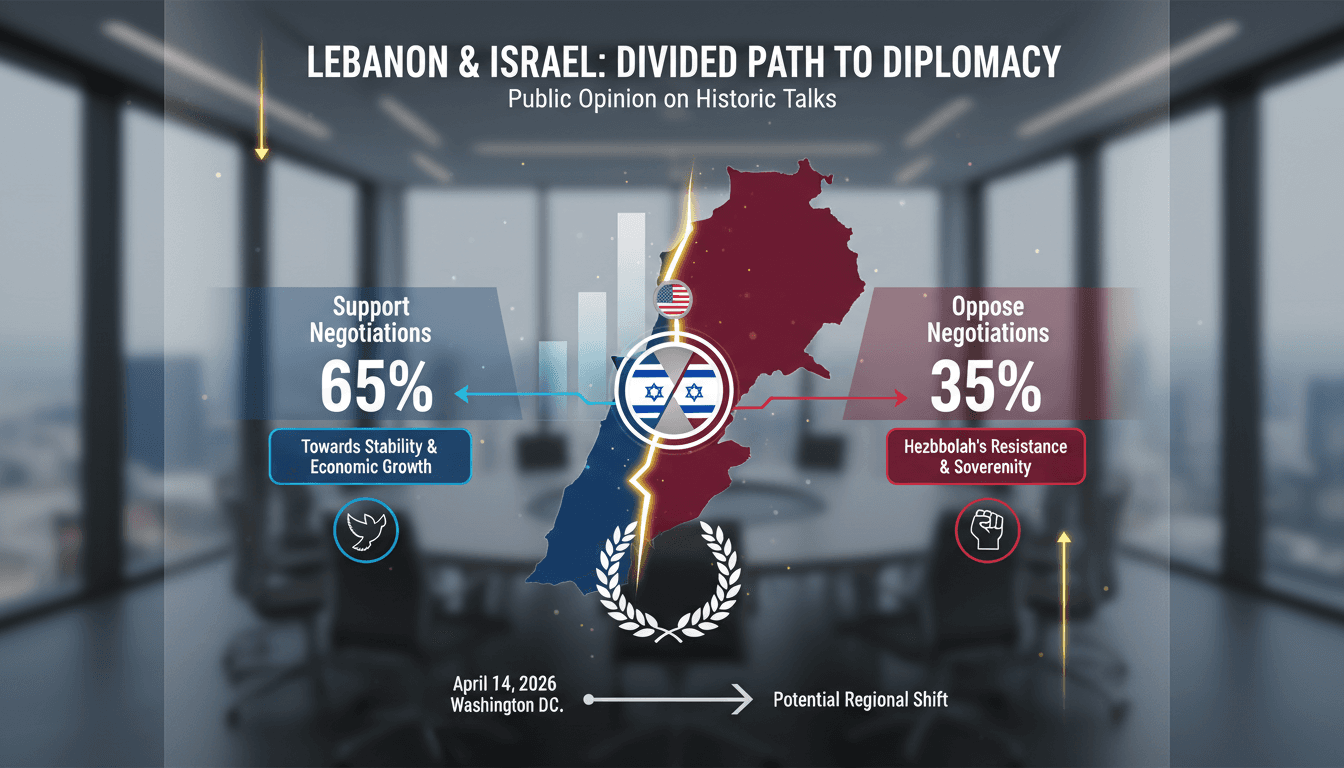
Here's what it means for you.
The outcome of Lebanon's negotiations with Israel could reshape regional dynamics and impact economic ties for expatriates.
Why it matters
The negotiations could redefine Lebanon's geopolitical stance and influence its economic recovery amid ongoing instability.
What happened (in 30 seconds)
- Lebanon and Israel held their first direct diplomatic talks in over 30 years on April 14, 2026, in Washington, D.C.
- Public opinion in Lebanon is sharply divided, with reactions ranging from viewing the talks as a national "shame" to a potential "liberation" from Hezbollah's influence.
- Negotiations focused on ceasefire implementation, sovereignty, and Hezbollah disarmament, but concluded without a breakthrough.
The context you actually need
- Historical backdrop: Lebanon and Israel have been in a state of war since Israel's 1982 invasion, with no formal diplomatic relations until now.
- Hezbollah's role: The militant group has significant influence in Lebanon, complicating any peace efforts and contributing to societal polarization.
- U.S. involvement: The U.S. has facilitated the shift from indirect to direct negotiations, emphasizing Hezbollah's disarmament as a prerequisite for peace.
What's really happening
On April 14, 2026, Lebanese Ambassador Nada Hammadeh Maawad and Israeli Ambassador Yechiel Leiter met in Washington, D.C., under U.S. mediation led by Secretary of State Marco Rubio. This marked a significant shift in Lebanon-Israel relations, as it was the first direct diplomatic engagement in over three decades. The talks aimed to address critical issues such as ceasefire implementation, sovereignty, and the disarmament of Hezbollah, a group that has long dominated Lebanese politics and military actions.
The backdrop to these negotiations is complex. Lebanon has been in a state of war with Israel since the 1982 invasion, which led to a prolonged occupation until 2000. The 2006 war between Hezbollah and Israel further entrenched hostilities, and while there were indirect maritime border talks in 2022, direct negotiations had been stalled until now. The escalation of violence in 2024, including intensified cross-border exchanges, highlighted the urgent need for dialogue, especially as Lebanon grapples with a severe economic crisis.
Public sentiment in Lebanon is deeply divided. Many view the negotiations as a betrayal, framing them as a "state of shame" for the country. Opponents of the talks, including Hezbollah officials, have condemned the negotiations, labeling them a "historical sin." Conversely, supporters argue that engaging in dialogue could liberate Lebanon from Iranian influence and restore national sovereignty. This polarization is evident on social media, where hashtags like "دولة العار" (state of shame) and "تحرير لبنان" (Lebanon liberation) have emerged.
The implications of these talks extend beyond Lebanon's borders. For Lebanese expatriates, particularly those in Dubai, there is cautious optimism that successful negotiations could stabilize remittances and enhance trade relations with the UAE, especially in light of the Abraham Accords. However, the immediate aftermath of the talks has seen Hezbollah ramping up military operations, rejecting the negotiations, and calling for national consensus against perceived government betrayal.
As the situation evolves, the U.S. has pledged aid contingent on progress in negotiations, while Israel has made its peace conditional on Hezbollah's disarmament. The lack of immediate breakthroughs in the talks suggests that the road ahead will be fraught with challenges, as both sides navigate their internal and external pressures.
Who feels it first (and how)
- Lebanese citizens: Divided opinions on the negotiations could lead to social unrest or support for government actions.
- Hezbollah supporters: Increased military actions may escalate tensions and provoke further conflict.
- Expatriates in Dubai: Potential economic benefits from stabilized relations could impact remittance flows and trade opportunities.
What to watch next
- Public sentiment: Monitor social media and public protests in Lebanon to gauge the population's response to ongoing negotiations.
- Hezbollah's actions: Watch for any shifts in Hezbollah's military strategy or rhetoric in response to the talks.
- U.S. aid announcements: Keep an eye on U.S. pledges of aid and support, as these will be contingent on progress in negotiations.
The negotiations are ongoing, with significant public division in Lebanon.
Continued military actions from Hezbollah as they oppose the negotiations.
The long-term impact of these talks on Lebanon's economy and regional stability.
Frequently Asked Questions
- Why it matters?
- The negotiations could redefine Lebanon's geopolitical stance and influence its economic recovery amid ongoing instability.
- What happened (in 30 seconds)?
- Lebanon and Israel held their first direct diplomatic talks in over 30 years on April 14, 2026, in Washington, D.C. Public opinion in Lebanon is sharply divided, with reactions ranging from viewing the talks as a national "shame" to a potential "liberation" from Hezbollah's influence. Negotiations focused on ceasefire implementation, sovereignty, and Hezbollah disarmament, but concluded without a breakthrough.
- What's really happening?
- On April 14, 2026, Lebanese Ambassador Nada Hammadeh Maawad and Israeli Ambassador Yechiel Leiter met in Washington, D.C., under U.S. mediation led by Secretary of State Marco Rubio. This marked a significant shift in Lebanon-Israel relations, as it was the first direct diplomatic engagement in over three decades. The talks aimed to address critical issues such as ceasefire implementation, sovereignty, and the disarmament of Hezbollah, a group that has long dominated Lebanese politics and milita
- Who feels it first (and how)?
- Lebanese citizens: Divided opinions on the negotiations could lead to social unrest or support for government actions. Hezbollah supporters: Increased military actions may escalate tensions and provoke further conflict. Expatriates in Dubai: Potential economic benefits from stabilized relations could impact remittance flows and trade opportunities.
- What to watch next?
- Public sentiment: Monitor social media and public protests in Lebanon to gauge the population's response to ongoing negotiations. Hezbollah's actions: Watch for any shifts in Hezbollah's military strategy or rhetoric in response to the talks. U.S. aid announcements: Keep an eye on U.S. pledges of aid and support, as these will be contingent on progress in negotiations.
Arabic-language coverage of international news and geopolitics.
"RT Arabic is a Russian state-funded outlet often criticized for promoting Kremlin-aligned narratives."
— A47 Editor
فكي "العار" و"التحرير".. كيف ينظر المجتمع اللبناني للمفاوضات المباشرة مع إسرائيل؟
A direct negotiation session between Lebanon and Israel took place yesterday in Washington, revealing a significant divide within Lebanese society regarding this unprecedented step in their history. Opinions are sharply split between supporters and o...
Arabic-language coverage of international news and geopolitics.
"RT Arabic is a Russian state-funded outlet often criticized for promoting Kremlin-aligned narratives."
— A47 Editor
تقرير: فجوة في المواقف بين واشنطن وبيروت في مفاوضات واشنطن
Direct negotiations between Lebanon and Israel have revealed a significant gap in positions, with Washington and Tel Aviv discussing a permanent peace and border demarcation, while Lebanon emphasizes a ceasefire as a prerequisite for any negotiations...
Arabic-language digital news outlet covering UAE, regional, and international developments with broad general-news coverage.
"Al Ain News coverage typically blends UAE-focused reporting with wider Arab regional and international news."
— A47 Editor
لبنان وإسرائيل على مائدة أمريكا.. فجوة الأهداف تُعقد مسار التفاوض (خبراء)
Lebanese attention is focused on Washington as direct negotiations between Lebanon and Israel are set to begin on Tuesday, marking the first such talks in 43 years amidst ongoing military escalation since March.