
Trump Imposes Tariffs on Pharmaceuticals and Adjusts Metal Import Duties
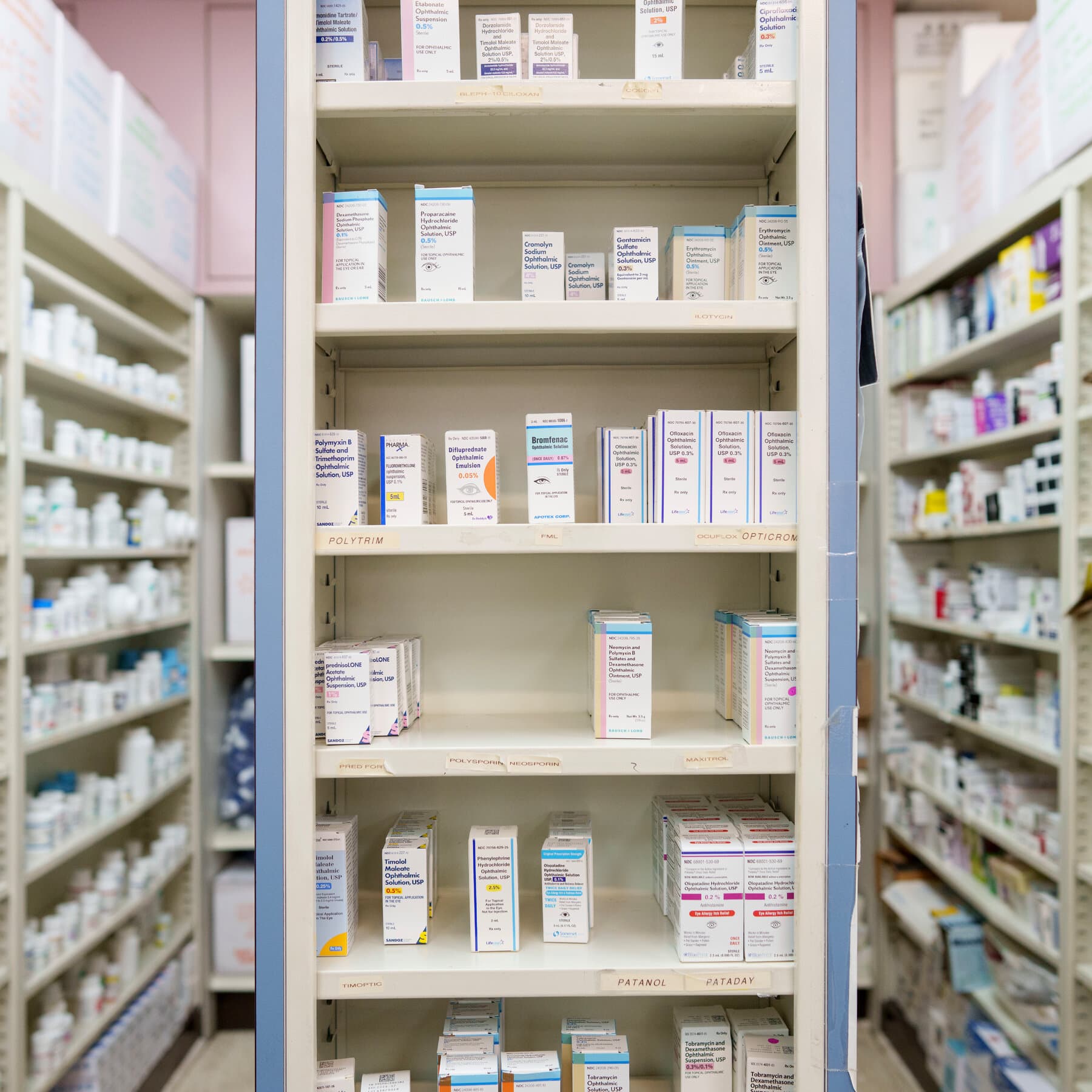
Here's what it means for you.
If you rely on imported pharmaceuticals or metal products, expect potential price increases and supply chain adjustments.
Why it matters
These tariffs could reshape U.S. healthcare costs and manufacturing dynamics, impacting both consumers and industries.
What happened (in 30 seconds)
- On April 2, 2026, President Trump signed proclamations imposing tariffs up to 100% on certain imported patented pharmaceuticals.
- Metal tariffs were adjusted, retaining 50% duties on raw materials while simplifying valuation for imported products.
- Exemptions apply for generics and negotiated deals, with effective dates staggered for different sectors.
The context you actually need
- 53% of patented pharmaceuticals consumed in the U.S. are sourced from abroad, raising national security concerns.
- Previous tariffs under Section 232 were ruled unconstitutional, prompting a shift to sector-specific measures to incentivize domestic production.
- The U.S. Chamber of Commerce warns that these tariffs could increase healthcare costs, while some manufacturers support the changes for their protective benefits.
What's really happening
The recent proclamations signed by President Trump represent a strategic pivot in U.S. trade policy, particularly concerning national security and economic independence. The imposition of tariffs on patented pharmaceuticals and active pharmaceutical ingredients (APIs) stems from a Commerce Department investigation that revealed a heavy reliance on foreign sources—53% of patented drugs and 85% of APIs are imported. This dependence poses risks to supply chains, especially amid geopolitical tensions with countries like China.
The tariffs on pharmaceuticals are designed to encourage foreign producers to commit to onshoring production and reducing prices. The structure of these tariffs is tiered: a 20% interim tariff will escalate to 100% by 2030 for companies that do not comply with U.S. onshoring and pricing commitments. Notably, exemptions are granted to generics, orphan drugs, and specialty medications from allied nations, which could mitigate some immediate impacts on consumers.
In parallel, the adjustments to metal tariffs simplify the valuation process for imports. While maintaining a 50% duty on raw steel, aluminum, and copper, the new policy shifts the duty application to the full U.S. sales value rather than the previous complex calculations based on metal content. This change aims to streamline compliance for importers and reduce administrative burdens, although it still imposes significant costs on products with over 15% metal content.
The backdrop to these measures is the Supreme Court's ruling earlier in 2026, which invalidated broad reciprocal tariffs announced on "Liberation Day" in April 2025. This ruling necessitated a more targeted approach to tariffs, focusing on specific sectors rather than blanket measures. The adjustments reflect an ongoing effort to bolster domestic production capabilities while navigating the complexities of international trade relationships.
The economic implications are significant. The U.S. Trade Representative has indicated that these tariffs could generate an estimated $70 billion in additional revenue, which could be reinvested into domestic industries. However, the U.S. Chamber of Commerce has raised concerns about the potential for increased healthcare costs and supply chain disruptions, particularly in the pharmaceutical sector. As companies like Pfizer and Merck negotiate zero-tariff deals, the landscape of pharmaceutical pricing and availability is poised for transformation.
Who feels it first (and how)
- Consumers: Higher prices for branded drugs and potential shortages of certain medications.
- Pharmaceutical companies: Pressure to comply with onshoring and pricing commitments to avoid tariffs.
- Metal importers: Adjustments in cost structures due to new valuation methods and duties.
- Healthcare providers: Increased costs may be passed on to patients, affecting access to medications.
- U.S. manufacturers: Opportunities for growth in domestic production, but potential volatility in raw material costs.
What to watch next
- Compliance rates: Monitor how quickly pharmaceutical companies adapt to onshoring requirements and pricing commitments.
- Market reactions: Watch for shifts in healthcare costs and availability of medications as tariffs take effect.
- Trade negotiations: Keep an eye on potential reciprocal trade agreements with the EU and other allies that could influence tariff structures.
Tariffs on pharmaceuticals and metals are officially imposed.
Increased healthcare costs and shifts in the pharmaceutical supply chain.
The long-term impact on U.S. manufacturing competitiveness and international trade relations.
Frequently Asked Questions
- Why it matters?
- These tariffs could reshape U.S. healthcare costs and manufacturing dynamics, impacting both consumers and industries.
- What happened (in 30 seconds)?
- On April 2, 2026, President Trump signed proclamations imposing tariffs up to 100% on certain imported patented pharmaceuticals. Metal tariffs were adjusted, retaining 50% duties on raw materials while simplifying valuation for imported products. Exemptions apply for generics and negotiated deals, with effective dates staggered for different sectors.
- What's really happening?
- The recent proclamations signed by President Trump represent a strategic pivot in U.S. trade policy, particularly concerning national security and economic independence. The imposition of tariffs on patented pharmaceuticals and active pharmaceutical ingredients (APIs) stems from a Commerce Department investigation that revealed a heavy reliance on foreign sources—53% of patented drugs and 85% of APIs are imported. This dependence poses risks to supply chains, especially amid geopolitical tension
- Who feels it first (and how)?
- Consumers: Higher prices for branded drugs and potential shortages of certain medications. Pharmaceutical companies: Pressure to comply with onshoring and pricing commitments to avoid tariffs. Metal importers: Adjustments in cost structures due to new valuation methods and duties. Healthcare providers: Increased costs may be passed on to patients, affecting access to medications. U.S. manufacturers: Opportunities for growth in domestic production, but potential volatility in raw material
- What to watch next?
- Compliance rates: Monitor how quickly pharmaceutical companies adapt to onshoring requirements and pricing commitments. Market reactions: Watch for shifts in healthcare costs and availability of medications as tariffs take effect. Trade negotiations: Keep an eye on potential reciprocal trade agreements with the EU and other allies that could influence tariff structures.
News across North, Central, and South America including politics and economics.
"France 24 is viewed as a globally focused outlet with balanced coverage and a European perspective."
— A47 Editor
Trump signs order threatening up to 100% tariffs on pharmaceuticals
US President Donald Trump has signed an order imposing tariffs on pharmaceuticals that could reach up to 100% unless drug manufacturers negotiate pricing agreements with the administration. This decision marks a significant escalation in Trump's trad...
Corporate news, economic trends, and markets with UK and global scope.
"BBC News is widely regarded as reputable and impartial, with a public service mandate."
— A47 Editor
Pharmaceuticals face 100% tariffs in US - unless firms strike a deal
The U.S. pharmaceutical industry is facing a potential imposition of 100% tariffs unless companies can negotiate a deal, a move that could significantly impact drug prices and availability in the market. This order specifically excludes generic medic...
Public health, medical research, healthcare policy, and pharmaceutical developments.
"Dow Jones is a major financial news provider with a professional tone and broad coverage, including specialized health-sector reporting."
— A47 Editor
The U.S. will impose tariffs of up to 100% on branded pharmaceuticals, though countries or drugmakers that strike deals with the Trump administration can receive lower levies or none at all
The U.S. government, under the Trump administration, has announced the imposition of tariffs of up to 100% on imported branded pharmaceuticals. This decision aims to encourage drugmakers and countries to negotiate pricing deals or invest in manufactu...
Insights and news on social issues, policy, and political movements across the United States.
"The Wall Street Journal is known for its deep political coverage, especially at the intersection of policy, regulation, and social dynamics."
— A47 Editor
The U.S. will impose tariffs of up to 100% on branded pharmaceuticals, though countries or drugmakers that strike deals with the Trump administration can receive lower levies or none at all
The U.S. government, under the Trump administration, has announced the imposition of tariffs of up to 100% on imported branded pharmaceuticals. This decision aims to encourage drugmakers and countries to negotiate pricing deals or invest in manufactu...
News from the United States including domestic politics, society, and culture.
"Global News is a mainstream Canadian media outlet generally considered to have a centrist editorial stance, covering news with a focus on factual reporting and national interest."
— A47 Editor
Trump hits some drugmakers with 100% tariffs, adjusts metal product duties
President Trump has implemented 100% tariffs on certain drugmakers and has adjusted duties on metal products, including steel, aluminum, and copper, as part of new orders aimed at encouraging manufacturers to negotiate government drug pricing deals o...
Markets, economy, and company analysis from NYT’s business desk.
"The New York Times is a globally recognized newspaper offering authoritative reporting with a center-left editorial stance."
— A47 Editor
Trump Revamps Metal and Pharmaceutical Tariffs
The Trump administration has announced new tariffs and modifications to existing levies on metal and pharmaceutical industries, which have been pivotal in shaping the president's trade policy. This move aims to leverage pharmaceutical tariffs as a ne...