
GCC Welcomes US-Iran Ceasefire Amid Ongoing Regional Tensions
Here's what it means for you.
The recent ceasefire between the US and Iran could stabilize energy markets and enhance security in the Gulf, impacting global supply chains.
Why it matters
This ceasefire marks a pivotal moment in Middle Eastern geopolitics, potentially influencing global energy prices and security dynamics.
What happened (in 30 seconds)
- GCC welcomed a ceasefire between the US and Iran announced around April 7-8, 2026, following intense hostilities.
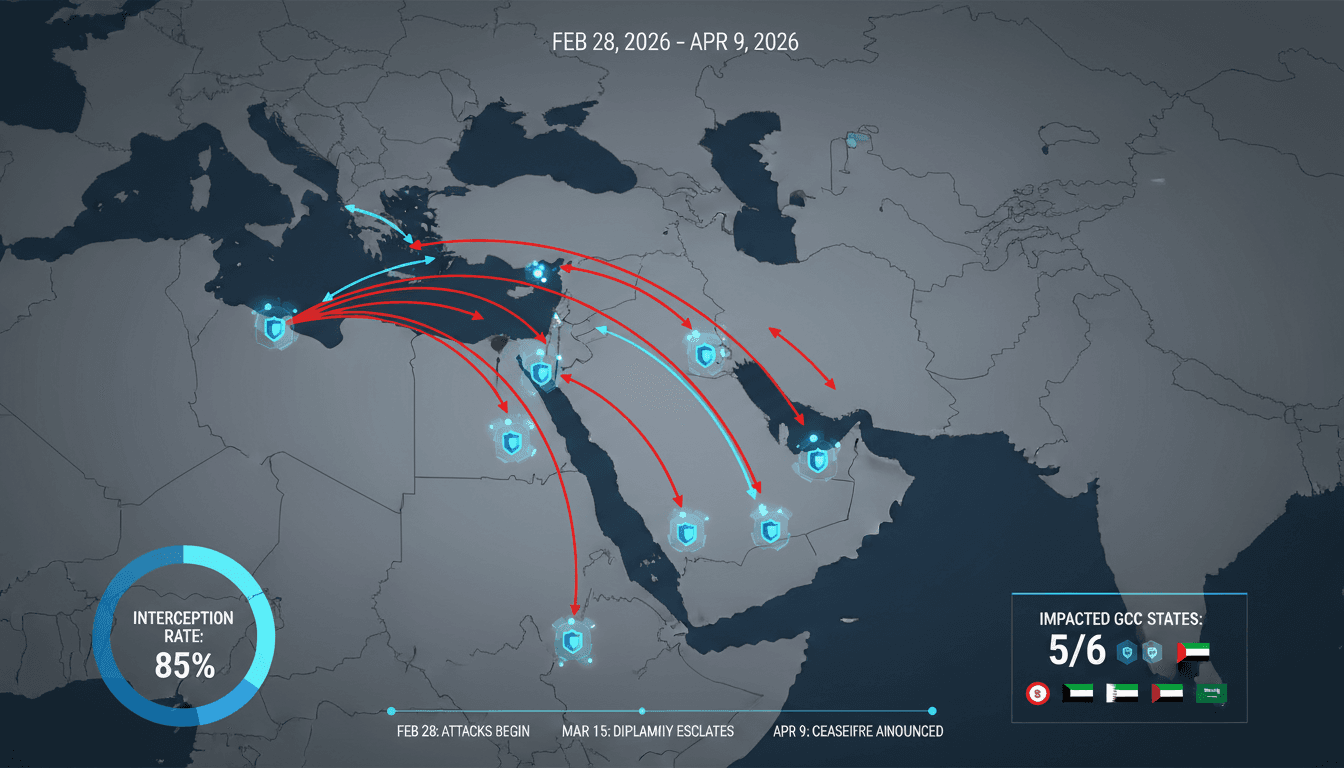
- Iran launched over 4,000 missile and drone attacks on GCC states since February 28, 2026, primarily targeting infrastructure.
- Dubai's stock index surged over 10% in response to the ceasefire announcement, the largest increase in a decade.
The context you actually need
- Iran's attacks began as retaliation for US-Israeli actions against its interests, severely impacting GCC infrastructure and civilian areas.
- GCC states intercepted a significant majority (83%) of Iranian missiles and drones, highlighting the scale of the conflict and the effectiveness of their defenses.
- The Strait of Hormuz, a critical global energy passage, faced disruptions, raising concerns about oil supply stability and prices.
What's really happening
The ceasefire between the United States and Iran, welcomed by the Gulf Cooperation Council (GCC), comes after a period of intense military conflict that began on February 28, 2026. Iran's retaliatory strikes were a direct response to US-Israeli operations targeting its infrastructure, which included airports, oil facilities, and civilian areas across GCC states like Saudi Arabia and the UAE. The conflict escalated rapidly, with over 4,000 missiles and drones launched by Iran, leading to significant casualties and property damage across the region.
The GCC, which includes Saudi Arabia, the UAE, Bahrain, and other Gulf states, coordinated a robust defense strategy, intercepting approximately 83% of these attacks. This defensive success was crucial in mitigating the immediate impacts of the conflict, but it also underscored the vulnerability of the region to Iranian military capabilities. The GCC's diplomatic efforts, including resolutions at the UN Human Rights Council and Security Council briefings, aimed to affirm their right to self-defense while seeking international support to address the crisis.
The announcement of the ceasefire, facilitated by mediation from Pakistan and other international actors, represents a significant turning point. The GCC's General Secretariat emphasized the need for a permanent resolution to the ongoing crisis, indicating a collective desire for stability in the region. The ceasefire has already had immediate economic impacts, with Dubai's stock index experiencing its largest surge in a decade, reflecting investor relief and optimism about reduced tensions.
However, while the ceasefire is a positive development, it does not eliminate the underlying tensions between the US, Iran, and the GCC states. The region remains on high alert, particularly regarding the security of the Strait of Hormuz, through which a significant portion of the world's oil supply passes. The GCC's call for a permanent solution suggests ongoing diplomatic engagements will be necessary to ensure long-term stability and prevent future escalations.
Who feels it first (and how)
- Investors in Gulf markets: They will see immediate impacts on stock performance and investment confidence.
- Expatriates in Dubai: Safety concerns may ease, improving quality of life and economic activity in the luxury sector.
- Energy consumers globally: Fluctuations in oil prices will affect costs, influencing everything from fuel prices to transportation costs.
What to watch next
- Diplomatic engagements: Watch for ongoing talks between the US, Iran, and GCC states, as these will shape the future of regional stability.
- Energy market fluctuations: Monitor oil prices, particularly as they respond to changes in geopolitical tensions and supply chain dynamics.
- Security developments in the Strait of Hormuz: Any incidents or military movements in this critical area could signal a return to hostilities.
The ceasefire has been established and welcomed by the GCC.
Continued diplomatic efforts will be necessary to achieve a permanent resolution to the crisis.
The long-term effectiveness of the ceasefire in preventing future conflicts remains uncertain.
Frequently Asked Questions
- Why it matters?
- This ceasefire marks a pivotal moment in Middle Eastern geopolitics, potentially influencing global energy prices and security dynamics.
- What happened (in 30 seconds)?
- GCC welcomed a ceasefire between the US and Iran announced around April 7-8, 2026, following intense hostilities. Iran launched over 4,000 missile and drone attacks on GCC states since February 28, 2026, primarily targeting infrastructure. Dubai's stock index surged over 10% in response to the ceasefire announcement, the largest increase in a decade.
- What's really happening?
- The ceasefire between the United States and Iran, welcomed by the Gulf Cooperation Council (GCC), comes after a period of intense military conflict that began on February 28, 2026. Iran's retaliatory strikes were a direct response to US-Israeli operations targeting its infrastructure, which included airports, oil facilities, and civilian areas across GCC states like Saudi Arabia and the UAE. The conflict escalated rapidly, with over 4,000 missiles and drones launched by Iran, leading to signific
- Who feels it first (and how)?
- Investors in Gulf markets: They will see immediate impacts on stock performance and investment confidence. Expatriates in Dubai: Safety concerns may ease, improving quality of life and economic activity in the luxury sector. Energy consumers globally: Fluctuations in oil prices will affect costs, influencing everything from fuel prices to transportation costs.
- What to watch next?
- Diplomatic engagements: Watch for ongoing talks between the US, Iran, and GCC states, as these will shape the future of regional stability. Energy market fluctuations: Monitor oil prices, particularly as they respond to changes in geopolitical tensions and supply chain dynamics. Security developments in the Strait of Hormuz: Any incidents or military movements in this critical area could signal a return to hostilities.
English-language reporting on Saudi politics, policy, and society.
"Saudi Gazette reflects mainstream Saudi institutional perspectives."
— A47 Editor
GCC seeks permanent solution for regional crisis
The Gulf Cooperation Council (GCC) has welcomed the announcement of a two-week ceasefire between the United States and Iran, facilitated by Pakistan, amid escalating tensions in the region. The GCC emphasized the need for sustained regional and inter...
English-language reporting focused on Saudi Arabia and regional affairs.
"Saudi Gazette provides English-language coverage that often aligns with mainstream Saudi news priorities."
— A47 Editor
GCC seeks permanent solution for regional crisis
The Gulf Cooperation Council (GCC) has welcomed the announcement of a two-week ceasefire between the United States and Iran, facilitated by Pakistan, amid escalating tensions in the region. The GCC emphasized the need for sustained regional and inter...
Regional and international reporting focused on Middle Eastern politics, diplomacy, and economics.
"Asharq Al-Awsat is a Saudi-owned international newspaper reflecting mainstream Gulf political perspectives."
— A47 Editor
GCC General Secretariat Welcomes Announcement of Ceasefire between US, Iran
The Gulf Cooperation Council (GCC) General Secretariat has welcomed the announcement of a ceasefire between the United States and Iran, which aims to reduce military tensions in the region. This ceasefire follows a series of high-level talks facilita...