
Strait of Hormuz faces severe disruptions amid US-Iran conflict escalation
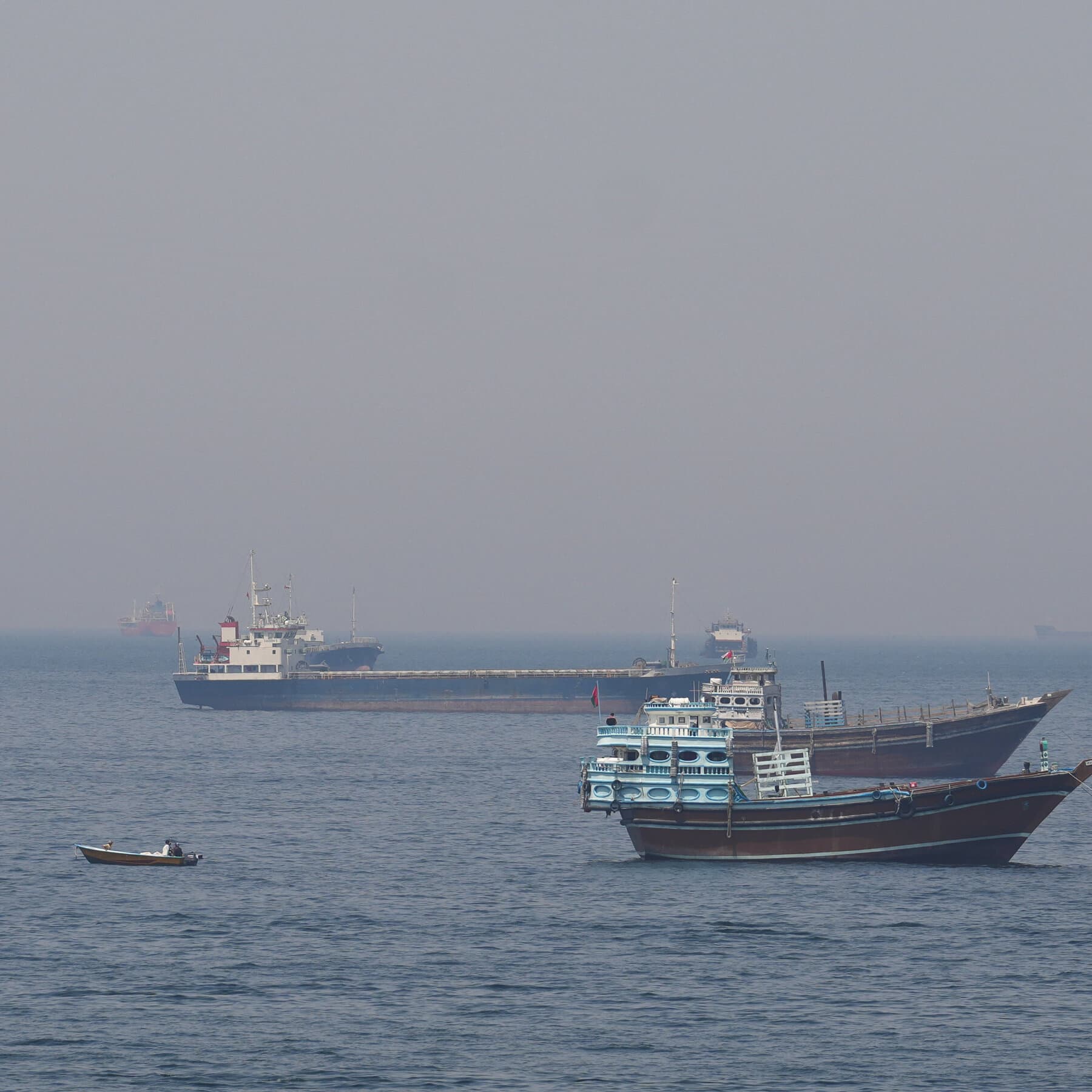
Here's what it means for you.
If you rely on global energy markets, the ongoing disruptions in the Strait of Hormuz could lead to increased costs and supply chain uncertainties.
Why it matters
The Strait of Hormuz is a critical chokepoint for nearly 20 percent of the world's oil trade, making its stability essential for global energy prices and supply.
What happened (in 30 seconds)
- Severe disruptions began on February 28, 2026, following US and Israeli strikes on Iran, leading to Iranian threats and attacks on maritime traffic.
- Maritime traffic plummeted by approximately 95 percent, with only about 100 vessels passing through the strait by late March.
- Energy companies are now accelerating the use of alternative pipelines and diversifying supply sources to mitigate risks associated with the ongoing conflict.
The context you actually need
- The Strait of Hormuz is a narrow corridor that handles nearly 20 million barrels of oil and oil products daily, making it vital for global energy security.
- Iran's military actions included deploying drones and missiles against commercial vessels, prompting a US naval blockade of Iranian ports after failed peace talks.
- Pre-existing pipelines in the UAE, Saudi Arabia, and Iraq are being activated to reroute oil exports, indicating a shift in energy logistics that could have long-term implications.
What's really happening
The ongoing conflict between the US and Iran has escalated tensions in the Strait of Hormuz, a vital maritime corridor for global oil trade. Since February 28, 2026, the situation has deteriorated significantly, with the US and Israel launching strikes on Iranian targets, prompting Iran to retaliate by threatening and executing disruptions in the strait. This has resulted in a staggering 95 percent drop in maritime traffic, severely impacting the flow of oil and gas through this critical chokepoint.
The US response has included a naval blockade of Iranian ports, which has further restricted the movement of vessels. As of April 21, 2026, the strait remains partially restricted, with limited coordinated transits permitted under the oversight of the Iranian Revolutionary Guard Corps (IRGC). The fragile ceasefire established on April 7, which temporarily allowed safe passage, collapsed shortly after due to stalled negotiations over Iran's nuclear program.
In response to these disruptions, energy companies are rapidly shifting their logistics strategies. Existing pipelines in the UAE, Saudi Arabia, and Iraq, which were built in anticipation of such crises, are now being utilized to reroute oil exports. The UAE's Habshan-Fujairah pipeline, for instance, has ramped up its capacity to handle 1.5 to 1.8 million barrels per day, while Saudi Arabia's East-West pipeline can transport up to 4.5 million barrels per day. This pivot not only alleviates immediate supply concerns but also signals a long-term shift in energy infrastructure that could diminish the Strait of Hormuz's centrality in global oil trade.
The implications of these developments extend beyond immediate supply disruptions. As energy prices remain volatile, hovering around $90 to $100 per barrel, consumers worldwide are likely to feel the pinch through increased fuel costs and inflation. Countries heavily reliant on oil imports, particularly in Europe and Asia, may implement fuel rationing and conservation measures, further complicating the global energy landscape.
Who feels it first (and how)
- Energy companies: Facing increased operational costs and logistical challenges.
- Consumers: Experiencing rising fuel prices and potential shortages.
- Governments: Implementing policies to manage energy supply and costs, particularly in oil-importing nations.
- Investors: Adjusting portfolios in response to fluctuating oil prices and geopolitical risks.
What to watch next
- Negotiations between the US and Iran: Any progress or setbacks could significantly impact the blockade and maritime traffic in the Strait of Hormuz.
- Energy price fluctuations: Monitoring oil prices will provide insights into market reactions and potential consumer impacts.
- Infrastructure developments: The activation of alternative pipelines may indicate a permanent shift in energy logistics, affecting long-term supply chains.
The Strait of Hormuz is critical for global oil trade, handling nearly 20 percent of seaborne oil.
Energy companies will continue to diversify supply routes and infrastructure in response to ongoing disruptions.
The long-term geopolitical implications of the US-Iran conflict and its impact on global energy markets.
Frequently Asked Questions
- Why it matters?
- The Strait of Hormuz is a critical chokepoint for nearly 20 percent of the world's oil trade, making its stability essential for global energy prices and supply.
- What happened (in 30 seconds)?
- Severe disruptions began on February 28, 2026, following US and Israeli strikes on Iran, leading to Iranian threats and attacks on maritime traffic. Maritime traffic plummeted by approximately 95 percent, with only about 100 vessels passing through the strait by late March. Energy companies are now accelerating the use of alternative pipelines and diversifying supply sources to mitigate risks associated with the ongoing conflict.
- What's really happening?
- The ongoing conflict between the US and Iran has escalated tensions in the Strait of Hormuz, a vital maritime corridor for global oil trade. Since February 28, 2026, the situation has deteriorated significantly, with the US and Israel launching strikes on Iranian targets, prompting Iran to retaliate by threatening and executing disruptions in the strait. This has resulted in a staggering 95 percent drop in maritime traffic, severely impacting the flow of oil and gas through this critical chokepo
- Who feels it first (and how)?
- Energy companies: Facing increased operational costs and logistical challenges. Consumers: Experiencing rising fuel prices and potential shortages. Governments: Implementing policies to manage energy supply and costs, particularly in oil-importing nations. Investors: Adjusting portfolios in response to fluctuating oil prices and geopolitical risks.
- What to watch next?
- Negotiations between the US and Iran: Any progress or setbacks could significantly impact the blockade and maritime traffic in the Strait of Hormuz. Energy price fluctuations: Monitoring oil prices will provide insights into market reactions and potential consumer impacts. Infrastructure developments: The activation of alternative pipelines may indicate a permanent shift in energy logistics, affecting long-term supply chains.
Regional and international reporting focused on Middle Eastern politics, diplomacy, and economics.
"Asharq Al-Awsat is a Saudi-owned international newspaper reflecting mainstream Gulf political perspectives."
— A47 Editor
Alternative Routes for Middle East Oil and Gas Due to Hormuz Disruption
The ongoing disruptions in the Strait of Hormuz, a crucial maritime route for global oil shipments, have prompted countries in the Middle East to explore alternative routes for oil and gas transportation. This situation has arisen due to heightened m...
Oil, metals, and agriculture: supply/demand headlines, OPEC chatter, inventories, and price action.
"Solid tape for energy and metals traders tracking macro and micro catalysts."
— A47 Editor
Shipping traffic through Hormuz still largely halted
Shipping traffic through the Strait of Hormuz remains largely halted, reflecting ongoing geopolitical tensions and the impact of recent U.S. announcements regarding a blockade. Despite a temporary ceasefire agreement between the U.S. and Iran, the si...
Markets, economy, and company analysis from NYT’s business desk.
"The New York Times is a globally recognized newspaper offering authoritative reporting with a center-left editorial stance."
— A47 Editor
Strait of Hormuz May Not Return to Normal, Whether It’s Open or Closed
The Strait of Hormuz, a critical maritime route for oil shipments, has been declared open for commercial shipping following a fragile ceasefire between the United States and Iran. However, the energy industry is preparing for a future where the strai...
Global markets, investing, and macroeconomics from a premier financial newsroom.
"Bloomberg is respected for in-depth financial reporting and data-driven analysis."
— A47 Editor
HORMUZ TRACKER: Traffic Stays at a Trickle of Iran-Aligned Ships
The Strait of Hormuz has seen minimal commercial traffic as Iran enforces a renewed closure, allowing only a few small vessels with ties to Tehran to pass through. This situation reflects ongoing tensions and conflicting statements from Iranian offic...
Pan-Arab news coverage spanning politics, business, sports, and regional affairs.
"Asharq Al-Awsat reflects a broad Arab editorial perspective with strong attention to regional geopolitics."
— A47 Editor
بعد تعطّل هرمز... ما خيارات تصدير النفط والغاز في الشرق الأوسط؟
The ongoing U.S.-Israeli conflict with Iran has disrupted navigation through the Strait of Hormuz, highlighting the limited options available for Middle Eastern countries to export their hydrocarbon resources. This situation poses significant challen...
Regional coverage and analysis focused on politics, diplomacy, and business across the Middle East.
"Al-Monitor is known for analytical reporting on Middle East politics and policy developments."
— A47 Editor
Shipping traffic through Hormuz still largely halted
Shipping traffic through the Strait of Hormuz has been largely halted, with only three vessels passing in the last 24 hours, following a U.S. blockade of Iranian ports that has escalated tensions in the region. Iran has responded by maintaining its o...