
Péter Magyar's Tisza Party Wins Supermajority in Hungarian Parliamentary Election Ending Fidesz Rule
Here's what it means for you.
A new wave of governance in Hungary could reshape EU relations and investment landscapes, impacting professionals across Europe.
The Vibe
Hungary's political landscape has dramatically shifted, with Péter Magyar's Tisza party dismantling Viktor Orbán's 16-year reign, signaling a collective demand for transparency and reform.
What it signals
This election result reflects a broader European trend towards accountability and pro-EU sentiment. As Hungary pivots away from illiberal governance, it may catalyze a reconfiguration of power dynamics within the EU, influencing capital flows and investment strategies across the continent.
Why it's happening now
1. Voter fatigue with corruption and illiberal policies has reached a tipping point, as evidenced by a record 79.56% turnout. 2. The economic stagnation and isolation resulting from Orbán's alignment with Russia have left the electorate yearning for change and reintegration with the EU. 3. The symbolic timing of the election results coinciding with Easter, a period of renewal, has amplified the narrative of hope and transformation, resonating with both domestic and international audiences.
Who it's for (and who it leaves out)
The core beneficiaries are pro-EU advocates and reform-minded citizens eager for a transparent government. Conversely, those aligned with Orbán's illiberal policies and pro-Russian stance may find themselves marginalized in this new political climate.
What to watch next
1. Monitor the EU's response to Hungary's new government, particularly regarding the unfreezing of €17 billion in funds and support for Ukraine. 2. Observe the potential ripple effects on regional energy markets, especially as Hungary's political stability could influence energy investments in the broader EU context.
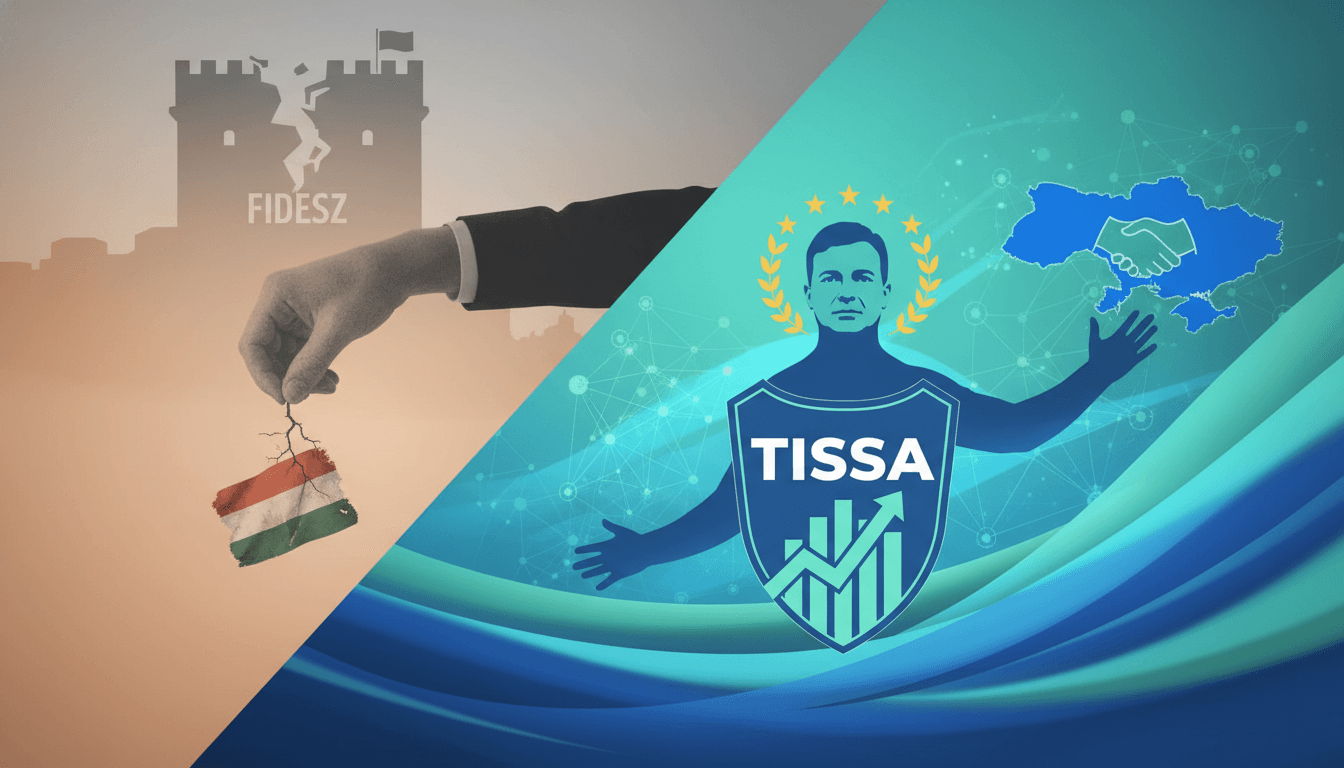
Visual Directive: A bold graphic illustrating the shift in Hungary's political landscape, highlighting the Tisza party's supermajority and its implications for EU relations.
Péter Magyar's Tisza party has secured a supermajority in Hungary's parliament.
The EU will expedite discussions on rule-of-law compliance and financial support for Hungary.
The long-term impact on Hungary's relationship with Russia and its implications for regional stability.
International coverage from The Guardian's global desks.
"The Guardian is known for its progressive editorial stance and in-depth analysis."
— A47 Editor
Zelenskyy hails Magyar’s win over Orbán as ‘the victory of light over darkness’ in Hungary – as it happened
Ukrainian President Volodymyr Zelenskyy praised Péter Magyar's victory over Viktor Orbán in Hungary's parliamentary elections, calling it a triumph of light over darkness. Magyar's Tisza party secured a significant majority, ending Orbán's 16-year ru...
Comprehensive coverage of Middle Eastern and global issues.
"Al Jazeera is a prominent voice from the Global South, especially the Middle East, with an emphasis on underreported stories."
— A47 Editor
Who is Peter Magyar, Hungary’s new leader who trounced Viktor Orban?
Peter Magyar, leader of the center-right Tisza Party, has achieved a significant victory in Hungary's parliamentary elections, winning a two-thirds majority and ending Viktor Orban's 16-year tenure as Prime Minister. This election, held on April 12, ...
International coverage of politics, culture, and current affairs.
"BBC News is widely regarded as a reputable international news organization, known for its impartial tone and public service mandate."
— A47 Editor
Katya Adler: Jubilation in Budapest will be felt in Europe but leaves Moscow cold
In a landmark parliamentary election held on April 12, 2026, Péter Magyar defeated long-serving Prime Minister Viktor Orbán, marking the end of his 16-year rule. The election was characterized by record voter turnout and widespread celebrations in Bu...