
Iranian Skepticism Halts US-Iran Nuclear Negotiations in Islamabad
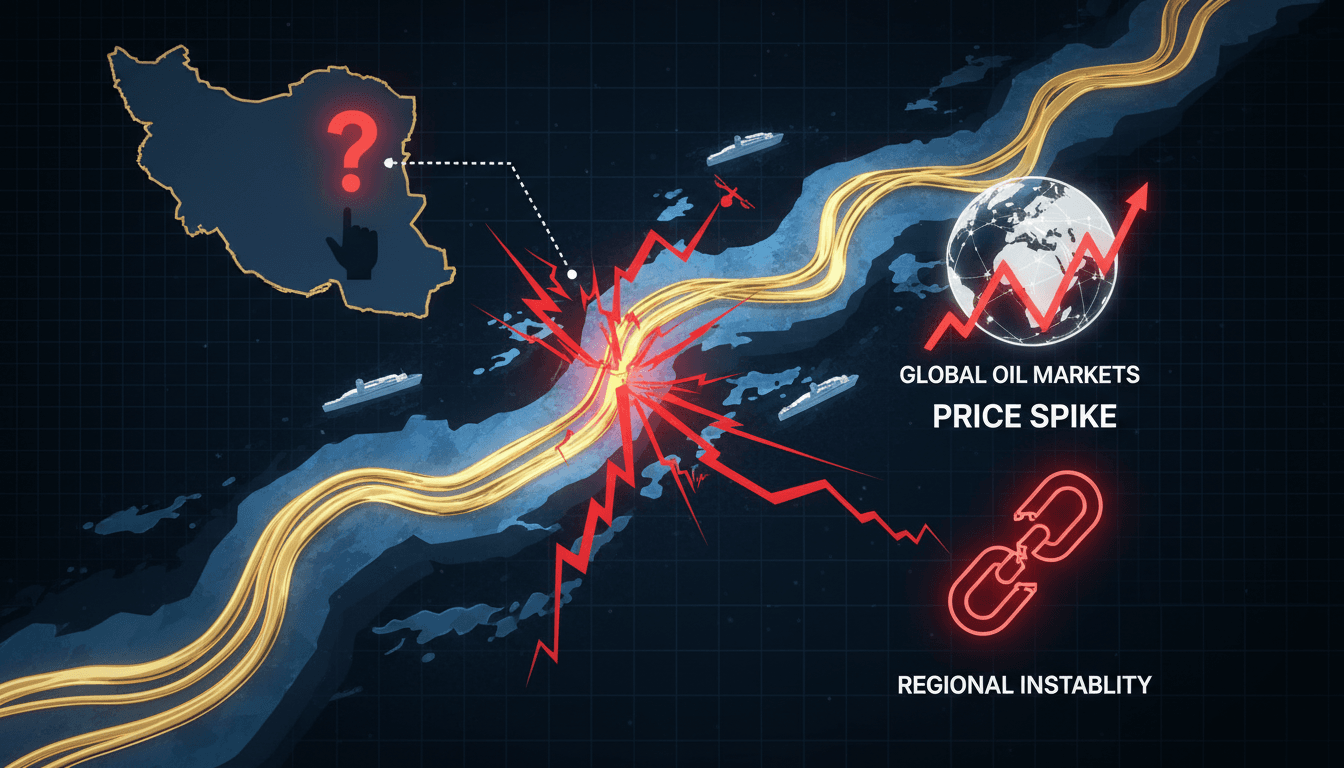
Here's what it means for you.
The stalled negotiations could lead to increased energy prices and supply chain disruptions affecting global markets.
Why it matters
The failure to advance nuclear negotiations exacerbates geopolitical tensions, impacting oil prices and global energy security.
What happened (in 30 seconds)
- Iranian officials expressed skepticism about US intentions, halting the proposed second round of nuclear negotiations on April 17, 2026.
- The first round of talks on April 11-12 made limited progress but failed to resolve key issues regarding uranium stockpiles and enrichment bans.
- The US imposed a naval blockade on Iranian ports in the Strait of Hormuz on April 13, further complicating the negotiation landscape.
The context you actually need
- The negotiations stemmed from a recent conflict between the US and Iran, triggered by military strikes on Iranian nuclear facilities in February 2026.
- A fragile ceasefire was brokered by Pakistan on April 7, 2026, allowing for initial discussions but failing to create a conducive environment for further talks.
- Iran's uranium stockpile has reached 440.9 kg enriched to 60% purity, raising concerns about its proximity to weapons-grade material and increasing US demands for a longer enrichment ban.
What's really happening
The breakdown of US-Iran nuclear negotiations reflects deep-rooted mistrust and escalating military tensions. Following a series of US and Israeli strikes on Iranian nuclear facilities in February 2026, the geopolitical landscape shifted dramatically. The US sought to re-establish control over Iran's nuclear ambitions through a naval blockade of the Strait of Hormuz, which began on April 13, 2026. This blockade was intended to enforce compliance with US demands but instead heightened Iranian skepticism regarding US intentions.
The first round of indirect negotiations in Islamabad on April 11-12, 2026, lasted 21 hours but yielded no agreement on critical issues such as uranium handover and enrichment bans. The US proposed a 20-year ban on uranium enrichment, while Iran countered with an offer of just five years. This fundamental disagreement underscores the lack of trust between the two nations, with Iran perceiving the US demands as an attempt to undermine its sovereignty.
Iran's skepticism was further fueled by the ongoing blockade and military threats, leading to the cancellation of the proposed second round of talks. Iranian officials, including Mohammad Bagher Ghalibaf and Abbas Araghchi, cited these factors as reasons for their reluctance to engage further without significant US concessions. The situation is compounded by the fact that Iran has amassed a significant stockpile of near-weapons-grade uranium, which poses a direct challenge to US and allied security interests.
As the US maintains its blockade, Defense Secretary Pete Hegseth has emphasized its necessity, while Joint Chiefs Chairman Dan King has indicated readiness for potential military action. This posture not only escalates tensions but also impacts global oil markets, with prices surging as shipping routes through the Strait of Hormuz become increasingly uncertain.
The role of Pakistan as a mediator remains crucial, as Army Chief Asim Munir continues to engage with both parties in an attempt to revive negotiations. However, the lack of governmental responses from key regional players like the UAE and Saudi Arabia indicates a broader uncertainty about the future of diplomatic efforts in this high-stakes environment.
Who feels it first (and how)
- Energy sector professionals: Increased oil prices and supply chain disruptions will directly impact profitability and operational costs.
- Consumers in the UAE: Rising fuel costs and inflation will affect daily expenses and purchasing power.
- Global shipping companies: Rerouted shipping and halted traffic through the Strait of Hormuz will complicate logistics and increase costs.
What to watch next
- US military posture: Continued readiness for military action could escalate tensions further, impacting global markets.
- Iran's uranium stockpile: Monitoring changes in Iran's enrichment activities will be crucial for assessing nuclear risks.
- Pakistan's mediation efforts: The effectiveness of Pakistan's role in facilitating dialogue could influence the potential for renewed negotiations.
The US has imposed a naval blockade on Iranian ports to enforce compliance.
Oil prices will continue to rise as tensions escalate and shipping routes remain uncertain.
The future of US-Iran negotiations and the potential for a diplomatic resolution remains uncertain.
Frequently Asked Questions
- Why it matters?
- The failure to advance nuclear negotiations exacerbates geopolitical tensions, impacting oil prices and global energy security.
- What happened (in 30 seconds)?
- Iranian officials expressed skepticism about US intentions, halting the proposed second round of nuclear negotiations on April 17, 2026. The first round of talks on April 11-12 made limited progress but failed to resolve key issues regarding uranium stockpiles and enrichment bans. The US imposed a naval blockade on Iranian ports in the Strait of Hormuz on April 13, further complicating the negotiation landscape.
- What's really happening?
- The breakdown of US-Iran nuclear negotiations reflects deep-rooted mistrust and escalating military tensions. Following a series of US and Israeli strikes on Iranian nuclear facilities in February 2026, the geopolitical landscape shifted dramatically. The US sought to re-establish control over Iran's nuclear ambitions through a naval blockade of the Strait of Hormuz, which began on April 13, 2026. This blockade was intended to enforce compliance with US demands but instead heightened Iranian ske
- Who feels it first (and how)?
- Energy sector professionals: Increased oil prices and supply chain disruptions will directly impact profitability and operational costs. Consumers in the UAE: Rising fuel costs and inflation will affect daily expenses and purchasing power. Global shipping companies: Rerouted shipping and halted traffic through the Strait of Hormuz will complicate logistics and increase costs.
- What to watch next?
- US military posture: Continued readiness for military action could escalate tensions further, impacting global markets. Iran's uranium stockpile: Monitoring changes in Iran's enrichment activities will be crucial for assessing nuclear risks. Pakistan's mediation efforts: The effectiveness of Pakistan's role in facilitating dialogue could influence the potential for renewed negotiations.
Pan-Arab news coverage spanning politics, business, sports, and regional affairs.
"Asharq Al-Awsat reflects a broad Arab editorial perspective with strong attention to regional geopolitics."
— A47 Editor
شكوك إيرانية تعترض الجولة الثانية من المفاوضات
The second round of negotiations between Iran and the United States is facing increasing threats and objections amid Iranian doubts regarding Washington's seriousness, despite ongoing intensive consultations.
Arabic-language digital news outlet covering UAE, regional, and international developments with broad general-news coverage.
"Al Ain News coverage typically blends UAE-focused reporting with wider Arab regional and international news."
— A47 Editor
واشنطن تشدد الضغط.. خلافات بين إيران وأمريكا رغم الوساطة
Tensions persist between the United States and Iran despite the passage of two weeks into a designated ceasefire period, as Washington intensifies its pressure on Tehran. The ongoing disagreements highlight the fragility of diplomatic efforts in the ...
Arabic-language digital news outlet covering UAE, regional, and international developments with broad general-news coverage.
"Al Ain News coverage typically blends UAE-focused reporting with wider Arab regional and international news."
— A47 Editor
البيت الأبيض: جولة مفاوضات مرجحة مع إيران في هذا البلد
The White House has announced that discussions are underway regarding a potential second round of negotiations with Iran. This development indicates a continued effort by the United States to engage diplomatically with Iran amid ongoing tensions.
Arabic-language political and world news coverage for UAE readers.
"Emarat Al Youm world coverage usually presents international developments through a UAE and Arab audience lens."
— A47 Editor
جولة مفاوضات ثانية بين واشنطن وطهران بإسلام آباد الأسبوع المقبل جولة مفاوضات ثانية بين واشنطن وطهران بإسلام آباد الأسبوع المقبل
A second round of negotiations between the United States and Iran is expected to take place in Islamabad next week, as reported by Pakistani channel Geo, citing sources. This follows ongoing discussions aimed at addressing various diplomatic issues b...