
UAE Central Bank Reports 5.6% Real GDP Growth in 2025 Annual Report
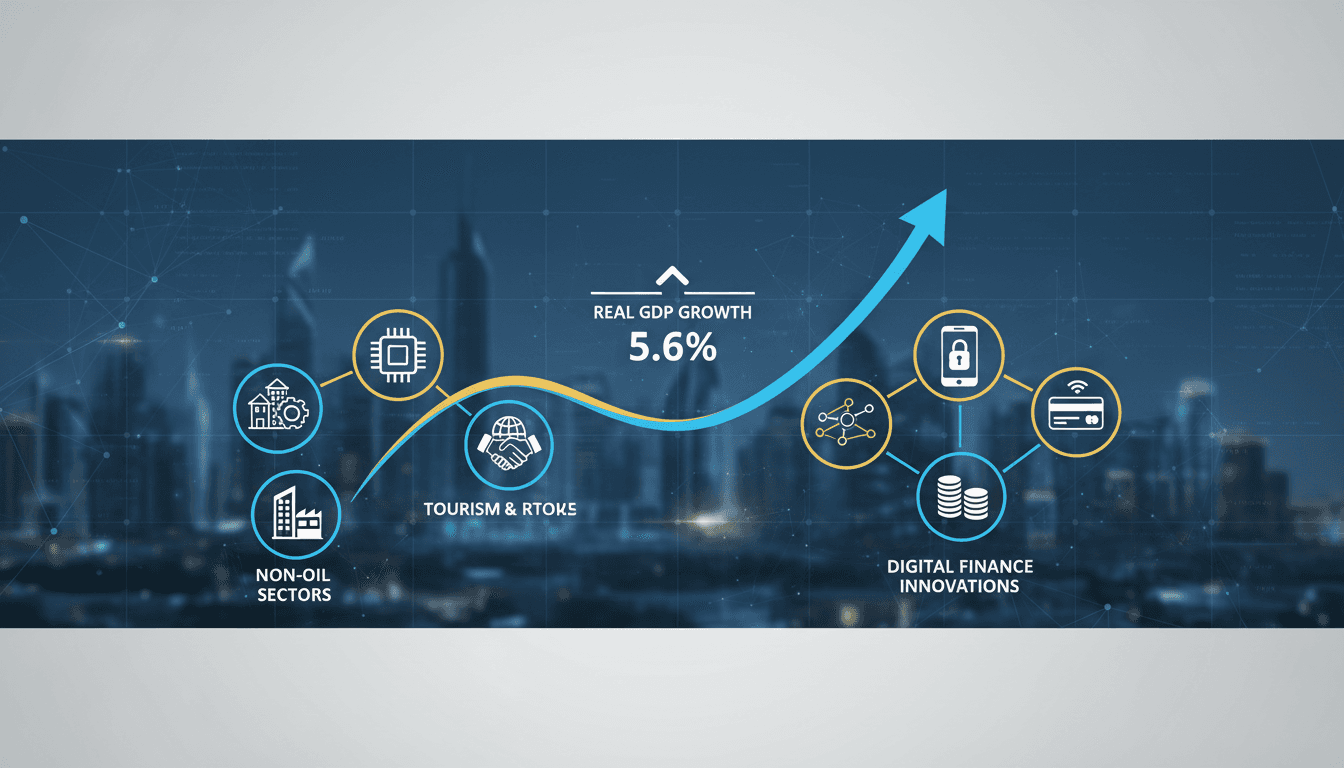
Here's what it means for you.
If you're in the UAE, expect enhanced financial services and opportunities as the economy diversifies away from oil.
Why it matters
This growth signals a robust shift towards a more resilient, diversified economy that can withstand global uncertainties.
What happened (in 30 seconds)
- The Central Bank of the UAE (CBUAE) reported a 5.6% real GDP growth for 2025, driven primarily by non-oil sectors.
- Monetary policies stabilized inflation at 1.3%, while banking assets grew to AED 5.4 trillion.
- Digital finance innovations included the launch of the 'Jisr' platform and the digital dirham, enhancing financial inclusion.
The context you actually need
- Diversification efforts are aligned with the UAE Centennial 2071 and We the UAE 2031 visions, focusing on reducing oil dependency.
- Regulatory frameworks have been strengthened through Federal Decree-Law No. 6 of 2025, integrating climate risks and promoting digital transformation.
- The insurance sector saw a 15.5% increase in premiums, reflecting growing consumer confidence and market expansion.
What's really happening
The CBUAE's 2025 Annual Report, released on April 10, 2026, illustrates a significant leap in the UAE's economic landscape. The reported 5.6% real GDP growth is not merely a number; it reflects a strategic pivot towards non-oil sectors, which have become the backbone of the economy. This shift is a direct outcome of proactive monetary policies and regulatory enhancements that have fortified the financial sector against global economic headwinds.
The banking sector's assets expanding to AED 5.4 trillion is a testament to this resilience. The 17.9% growth in credit portfolios indicates increased lending, particularly in housing and business sectors, which in turn stimulates economic activity. This is crucial for residents in Dubai, where the demand for housing and business financing is robust. The 16.2% increase in deposits further underscores consumer confidence, suggesting that individuals and businesses are optimistic about future economic conditions.
Moreover, the CBUAE's focus on digital finance is reshaping the financial landscape. The doubling of fintech licenses to 36 and the introduction of platforms like 'Jisr' and the digital dirham are not just innovations; they represent a fundamental shift in how financial transactions are conducted. These advancements enhance payment efficiency and accessibility, particularly in Dubai's financial hub, the DIFC. The 'Al-Tariq' open finance initiative is another step towards creating a more inclusive financial ecosystem, allowing for better integration of services and products tailored to consumer needs.
The report also highlights the importance of regulatory measures, such as the 0.5% neutral capital buffer and stress tests that confirm the banking sector's resilience. These measures are critical in maintaining stability, especially in a world where economic uncertainties are prevalent. The integration of climate risk into financial assessments is a forward-thinking approach that aligns with global sustainability goals, ensuring that the UAE's financial system is not only robust but also responsible.
In summary, the CBUAE's report reflects a multifaceted approach to economic growth that prioritizes diversification, innovation, and resilience. This strategy not only positions the UAE as a leader in the region but also creates a more stable environment for businesses and consumers alike.
Who feels it first (and how)
- Homebuyers: Increased credit availability will make housing more accessible.
- Small and medium enterprises (SMEs): Enhanced lending options will support business growth.
- Fintech companies: New licenses and platforms will foster innovation and competition.
- Consumers: Improved digital payment solutions will streamline transactions and enhance financial services.
What to watch next
- Fintech growth: Monitor the number of new fintech licenses issued, as this indicates the sector's expansion and innovation.
- Consumer confidence: Watch for trends in banking deposits and credit growth, which reflect public sentiment about the economy.
- Regulatory changes: Keep an eye on new regulations related to digital finance and climate risk, as these will shape the financial landscape.
The UAE's GDP growth is primarily driven by non-oil sectors.
Continued expansion in the fintech sector will enhance financial services and accessibility.
The long-term impact of global economic uncertainties on the UAE's growth trajectory remains to be seen.
Frequently Asked Questions
- Why it matters?
- This growth signals a robust shift towards a more resilient, diversified economy that can withstand global uncertainties.
- What happened (in 30 seconds)?
- The Central Bank of the UAE (CBUAE) reported a 5.6% real GDP growth for 2025, driven primarily by non-oil sectors. Monetary policies stabilized inflation at 1.3%, while banking assets grew to AED 5.4 trillion. Digital finance innovations included the launch of the 'Jisr' platform and the digital dirham, enhancing financial inclusion.
- What's really happening?
- The CBUAE's 2025 Annual Report, released on April 10, 2026, illustrates a significant leap in the UAE's economic landscape. The reported 5.6% real GDP growth is not merely a number; it reflects a strategic pivot towards non-oil sectors, which have become the backbone of the economy. This shift is a direct outcome of proactive monetary policies and regulatory enhancements that have fortified the financial sector against global economic headwinds. The banking sector's assets expanding to AED 5.4
- Who feels it first (and how)?
- Homebuyers: Increased credit availability will make housing more accessible. Small and medium enterprises (SMEs): Enhanced lending options will support business growth. Fintech companies: New licenses and platforms will foster innovation and competition. Consumers: Improved digital payment solutions will streamline transactions and enhance financial services.
- What to watch next?
- Fintech growth: Monitor the number of new fintech licenses issued, as this indicates the sector's expansion and innovation. Consumer confidence: Watch for trends in banking deposits and credit growth, which reflect public sentiment about the economy. Regulatory changes: Keep an eye on new regulations related to digital finance and climate risk, as these will shape the financial landscape.
Arabic-language economic and business reporting with strong UAE market relevance.
"Emarat Al Youm business coverage often centers UAE property, banking, consumer issues, and economic policy."
— A47 Editor
المصرف المركزي يصدر تقرير 2025.. نمو استثنائي وإنجازات نوعية تُرسخ استقرار المنظومة المالية للدولة المصرف المركزي يصدر تقرير 2025.. نمو استثنائي وإنجازات نوعية تُرسخ استقرار المنظومة المالية للدولة
The Central Bank of the United Arab Emirates has released its annual report for 2025, highlighting exceptional growth and transformative initiatives that reinforce the stability of the country's financial system. The report showcases various achievem...
Arabic-language digital news outlet covering UAE, regional, and international developments with broad general-news coverage.
"Al Ain News coverage typically blends UAE-focused reporting with wider Arab regional and international news."
— A47 Editor
تقرير مصرف الإمارات المركزي لعام 2025.. نمو استثنائي وإنجازات نوعية
The Central Bank of the UAE released its annual report for 2025 on Thursday, highlighting exceptional growth and significant achievements within the financial sector. The report outlines various metrics and indicators that reflect the bank's performa...
Arabic-language UAE newspaper coverage focused on domestic affairs, public institutions, business, society, and regional developments.
"Al Khaleej coverage generally reflects a mainstream UAE editorial lens with strong attention to public affairs, institutions, and regional developments."
— A47 Editor
نمو استثنائي وإنجازات نوعية ترسخ استقرار المنظومة المالية للدولة
The Central Bank of the UAE has released its annual report for 2025, highlighting transformative achievements that have strengthened the financial system and supported national economic growth. The report emphasizes the financial system's resilience ...