
U.S. House narrowly rejects resolution to end military hostilities in Iran
Here's what it means for you.
Rising geopolitical tensions could lead to increased costs for consumers and businesses globally.
Why it matters
The rejection of H.Con.Res. 40 highlights Congress's ongoing deference to executive war powers, impacting U.S. foreign policy and economic stability.
What happened (in 30 seconds)
- On April 16, 2026, the U.S. House of Representatives narrowly defeated H.Con.Res. 40, which aimed to end U.S. military hostilities in Iran.
- The vote was 213–214, with only one Republican supporting and one Democrat opposing the resolution, reflecting deep partisan divides.
- This outcome underscores the ongoing conflict initiated by U.S.-Israeli strikes and the lack of congressional authorization for military engagement.
The context you actually need
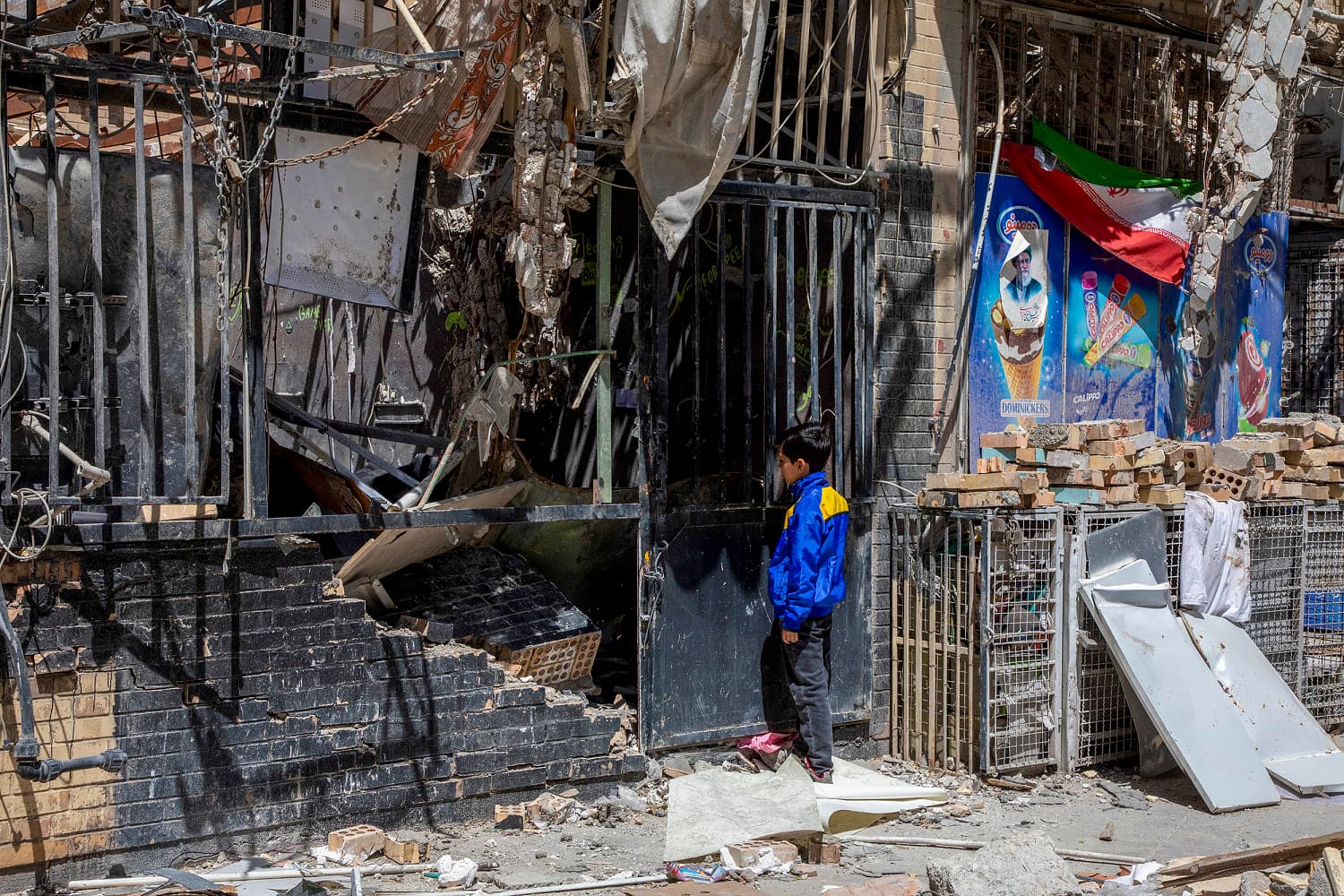
- The 2026 Iran War began on February 28, 2026, following U.S. and Israeli airstrikes that killed Iranian Supreme Leader Ali Khamenei.
- Iran's closure of the Strait of Hormuz on March 4, 2026, has led to U.S. blockades and sustained military actions without congressional approval.
- Public sentiment is shifting, with 60% of U.S. adults disapproving of the Iran War, indicating potential political repercussions for lawmakers.
What's really happening
The defeat of H.Con.Res. 40 is emblematic of a broader trend in U.S. governance where executive power in military matters is increasingly unchallenged by Congress. The resolution, introduced by Rep. Gregory Meeks, sought to withdraw U.S. forces from hostilities in Iran, except for imminent defense scenarios, pending congressional approval. This reflects a growing frustration among some lawmakers regarding the lack of a clear strategy in what they term a "war of choice."
The vote itself was a near-party-line affair, with only one Republican, Thomas Massie, supporting the resolution and one Democrat, Jared Golden, opposing it. This division underscores the entrenched partisan positions on foreign policy, particularly regarding military engagement. Speaker of the House Mike Johnson reaffirmed Republican support for ongoing military actions, framing Iran as a significant threat due to its status as a "largest sponsor of terrorism." This rhetoric is likely to resonate with a base that prioritizes national security.
The implications of this vote extend beyond the immediate political landscape. With the ongoing conflict, the U.S. faces rising gas prices and increased costs for goods, particularly in sectors reliant on oil and trade. The closure of the Strait of Hormuz has already disrupted 90% of Gulf oil flows, leading to inflated fuel and commodity prices. This situation is particularly acute for regions like Dubai, where residents are feeling the pinch of rising costs due to the blockade.
Moreover, the failure of the resolution could embolden the executive branch to continue military operations without congressional oversight, raising concerns about accountability and the potential for prolonged conflict. As public disapproval of the war grows, lawmakers may face increasing pressure to address these issues, particularly as midterm elections approach.
In summary, the rejection of H.Con.Res. 40 not only reflects the current political climate but also sets the stage for ongoing economic and geopolitical ramifications that could affect consumers and businesses alike.
Who feels it first (and how)
- Consumers: Higher gas prices and increased costs for goods due to disrupted oil flows.
- Businesses: Companies reliant on oil and trade may face rising operational costs and supply chain disruptions.
- Investors: Volatility in oil markets could impact investment strategies and returns.
- Residents of Dubai: Increased living costs due to inflated fuel and commodity prices linked to the Strait of Hormuz blockade.
What to watch next
- Public opinion polls: Continued monitoring of U.S. public sentiment regarding the Iran War will indicate potential shifts in political support and policy.
- Oil market fluctuations: Watch for changes in oil prices and tanker insurance premiums, which could signal broader economic impacts.
- Congressional actions: Any future attempts to reintroduce resolutions or legislation regarding military engagement in Iran will be critical to watch.
The U.S. House rejected H.Con.Res. 40 by a narrow margin.
Continued public disapproval of the Iran War will influence upcoming elections and congressional actions.
The long-term implications of the ongoing conflict on U.S. foreign policy and economic stability remain uncertain.
Frequently Asked Questions
- Why it matters?
- The rejection of H.Con.Res. 40 highlights Congress's ongoing deference to executive war powers, impacting U.S. foreign policy and economic stability.
- What happened (in 30 seconds)?
- On April 16, 2026, the U.S. House of Representatives narrowly defeated H.Con.Res. 40, which aimed to end U.S. military hostilities in Iran. The vote was 213–214, with only one Republican supporting and one Democrat opposing the resolution, reflecting deep partisan divides. This outcome underscores the ongoing conflict initiated by U.S.-Israeli strikes and the lack of congressional authorization for military engagement.
- What's really happening?
- The defeat of H.Con.Res. 40 is emblematic of a broader trend in U.S. governance where executive power in military matters is increasingly unchallenged by Congress. The resolution, introduced by Rep. Gregory Meeks, sought to withdraw U.S. forces from hostilities in Iran, except for imminent defense scenarios, pending congressional approval. This reflects a growing frustration among some lawmakers regarding the lack of a clear strategy in what they term a "war of choice." The vote itself was a ne
- Who feels it first (and how)?
- Consumers: Higher gas prices and increased costs for goods due to disrupted oil flows. Businesses: Companies reliant on oil and trade may face rising operational costs and supply chain disruptions. Investors: Volatility in oil markets could impact investment strategies and returns. Residents of Dubai: Increased living costs due to inflated fuel and commodity prices linked to the Strait of Hormuz blockade.
- What to watch next?
- Public opinion polls: Continued monitoring of U.S. public sentiment regarding the Iran War will indicate potential shifts in political support and policy. Oil market fluctuations: Watch for changes in oil prices and tanker insurance premiums, which could signal broader economic impacts. Congressional actions: Any future attempts to reintroduce resolutions or legislation regarding military engagement in Iran will be critical to watch.
Global news coverage with extensive reporting on Middle Eastern conflicts and geopolitics.
"Al Jazeera is a Qatar-based broadcaster known for wide regional coverage and alternative perspectives."
— A47 Editor
US House votes down latest effort to curtail Trump’s power to wage Iran war
The US House of Representatives voted down a resolution aimed at limiting President Donald Trump's military authority regarding Iran, with a narrow tally of 213-214. This decision follows a similar resolution that failed in the Senate, highlighting t...
Comprehensive coverage of Middle Eastern and global issues.
"Al Jazeera is a prominent voice from the Global South, especially the Middle East, with an emphasis on underreported stories."
— A47 Editor
US House votes down latest effort to curtail Trump’s power to wage Iran war
The US House of Representatives voted down a resolution aimed at limiting President Donald Trump's military authority regarding Iran, with a narrow tally of 213-214. This decision follows a similar resolution that failed in the Senate, highlighting t...
News from the United States including domestic politics, society, and culture.
"The Guardian is known for its progressive editorial stance and in-depth analysis, often advocating for social justice, environmental issues, and liberal values."
— A47 Editor
US House narrowly rejects war powers resolution as dissent grows
The US House of Representatives narrowly rejected a war powers resolution aimed at preventing further military action against Iran, with the vote tally at 213-214. This resolution, introduced by Greg Meeks, the leading Democrat on the House foreign a...
International coverage from The Guardian's global desks.
"The Guardian is known for its progressive editorial stance and in-depth analysis."
— A47 Editor
US House narrowly rejects war powers resolution as dissent grows
The US House of Representatives narrowly rejected a war powers resolution aimed at preventing further military action against Iran, with the vote tally at 213-214. This resolution, introduced by Greg Meeks, the leading Democrat on the House foreign a...
Focused political reporting and governmental affairs.
"NBC News is a mainstream media outlet known for comprehensive national and international news coverage with a centrist to slightly left-leaning editorial tone."
— A47 Editor
House effort to end Trump's war with Iran fails by one vote
The House of Representatives narrowly rejected a resolution that would have mandated President Donald Trump to end military operations in Iran, with the vote tally at 213-214. This decision reflects the ongoing partisan divide in Congress regarding U...
Comprehensive coverage of global events, politics, and international issues.
"NBC News is a mainstream outlet known for comprehensive national and international coverage with a centrist to slightly left-leaning editorial tone."
— A47 Editor
House effort to end Trump's war with Iran fails by one vote
The House of Representatives narrowly rejected a resolution that would have mandated President Donald Trump to end military operations in Iran, with the vote tally at 213-214. This decision reflects the ongoing partisan divide in Congress regarding U...