
Iran Confirms Participation in US-Iran Peace Talks in Islamabad
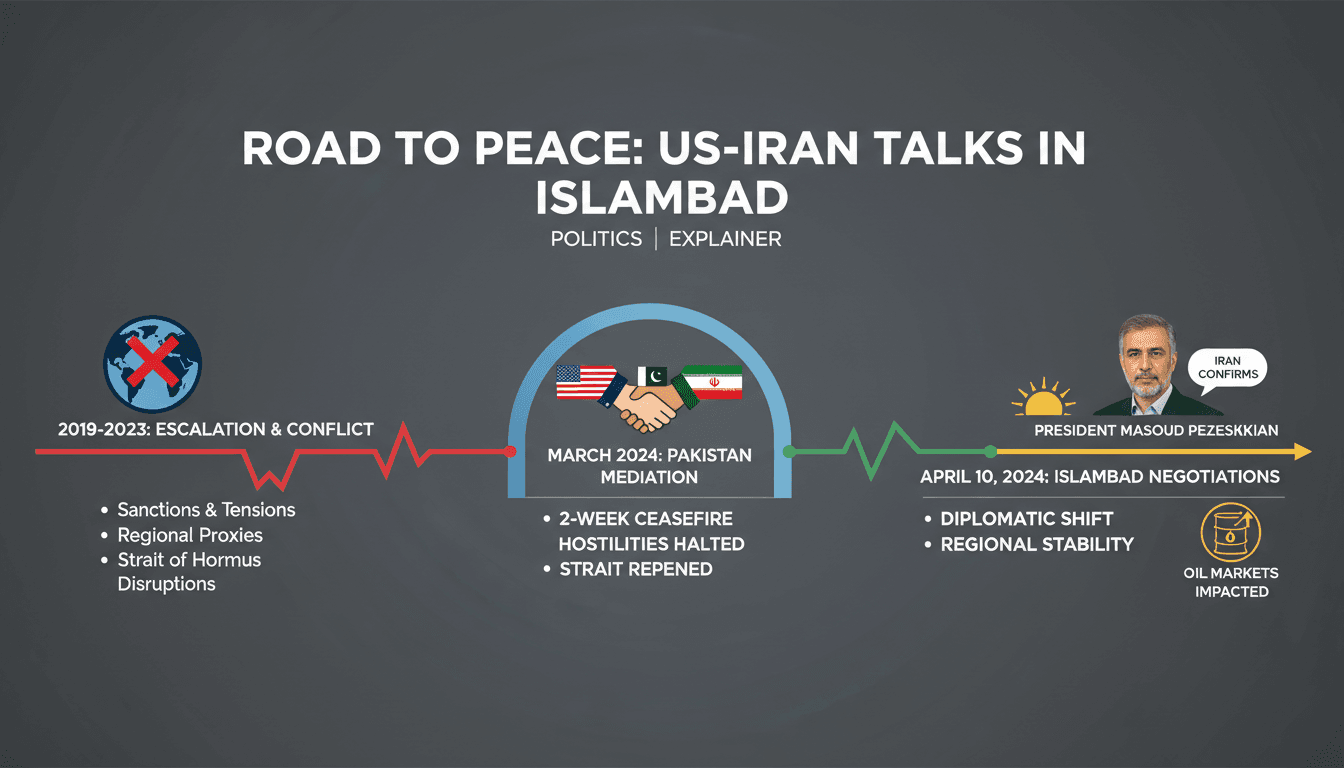
Here's what it means for you.
The outcome of these negotiations could significantly impact global oil prices and economic conditions in the Gulf region.
Why it matters
This diplomatic engagement could reshape energy markets and geopolitical stability, affecting global supply chains.
What happened (in 30 seconds)
- Iran confirmed participation in US-Iran peace negotiations scheduled for April 10, 2026, in Islamabad.
- A two-week ceasefire was established, halting hostilities and reopening the critical Strait of Hormuz.
- Pakistani Prime Minister Shehbaz Sharif facilitated the talks, indicating a potential pathway to a comprehensive agreement.
The context you actually need
- The US-Iran conflict escalated in February 2026, following airstrikes by the US and Israel on Iranian military sites.
- Iran's blockade of the Strait of Hormuz disrupted approximately 20% of global oil transit, leading to a spike in oil prices.
- Pakistan's mediation efforts have positioned it as a neutral facilitator, leveraging its relationships with both nations to promote dialogue.
What's really happening
The US-Iran conflict has been a long-standing geopolitical issue, but recent escalations in February 2026 marked a significant turning point. Following US and Israeli airstrikes on Iranian military and nuclear sites, Iran retaliated by closing the Strait of Hormuz on March 4, 2026. This closure disrupted about 20% of the world's oil transit, causing Brent crude oil prices to soar to $115 per barrel, as reported by Fox Business. The economic ramifications were felt globally, particularly in the Gulf region, where Dubai residents experienced fuel price hikes of up to 20% and significant disruptions in air travel due to Gulf airspace closures.
In response to the escalating conflict, Pakistan stepped in as a mediator. Leveraging its diplomatic ties with both the US and Iran, Pakistan initiated backchannel communications, leading to a temporary two-week ceasefire. This ceasefire was a critical step, allowing for the reopening of the Strait of Hormuz and the resumption of oil transit. On April 8, 2026, Prime Minister Shehbaz Sharif announced that Iranian President Masoud Pezeshkian confirmed Iran's participation in the upcoming negotiations in Islamabad. This announcement came after a cordial 45-minute phone call between the two leaders, where they discussed the importance of the truce and the potential for peace.
The scheduled negotiations aim to finalize a comprehensive agreement that addresses the underlying issues fueling the US-Iran conflict. The involvement of Pakistan as a neutral host is significant, as it reflects a shift in regional dynamics and the potential for collaborative solutions to longstanding disputes. The successful outcome of these talks could not only stabilize the region but also lead to a decrease in oil prices, benefiting global markets.
The aftermath of the ceasefire announcement has already shown positive signs, with oil prices declining and energy markets exhibiting lower volatility. This indicates a market relief response to the potential for reduced hostilities. Both Iranian and US officials have expressed optimism about the negotiations, with President Trump endorsing the truce extension. Regional governments are closely monitoring these developments, recognizing their implications for peace and stability in the Gulf.
Who feels it first (and how)
- Energy sector professionals: Fluctuations in oil prices directly affect their operations and profitability.
- Consumers in the Gulf region: Fuel price changes impact daily living costs and travel expenses.
- Global supply chain managers: Disruptions in oil transit can affect shipping and logistics costs.
What to watch next
- Negotiation outcomes: The success or failure of the talks will determine future US-Iran relations and regional stability.
- Oil price trends: Watch for fluctuations in Brent crude prices as negotiations progress and market reactions unfold.
- Regional diplomatic shifts: Monitor how other Gulf nations respond to the peace talks and any subsequent agreements.
The negotiations are scheduled to occur in Islamabad with confirmed participation from both Iran and the US.
A successful negotiation could lead to a sustained reduction in oil prices and improved regional stability.
The long-term implications of any agreement on US-Iran relations and broader Middle Eastern geopolitics.
Frequently Asked Questions
- Why it matters?
- This diplomatic engagement could reshape energy markets and geopolitical stability, affecting global supply chains.
- What happened (in 30 seconds)?
- Iran confirmed participation in US-Iran peace negotiations scheduled for April 10, 2026, in Islamabad. A two-week ceasefire was established, halting hostilities and reopening the critical Strait of Hormuz. Pakistani Prime Minister Shehbaz Sharif facilitated the talks, indicating a potential pathway to a comprehensive agreement.
- What's really happening?
- The US-Iran conflict has been a long-standing geopolitical issue, but recent escalations in February 2026 marked a significant turning point. Following US and Israeli airstrikes on Iranian military and nuclear sites, Iran retaliated by closing the Strait of Hormuz on March 4, 2026. This closure disrupted about 20% of the world's oil transit, causing Brent crude oil prices to soar to $115 per barrel, as reported by Fox Business. The economic ramifications were felt globally, particularly in the G
- Who feels it first (and how)?
- Energy sector professionals: Fluctuations in oil prices directly affect their operations and profitability. Consumers in the Gulf region: Fuel price changes impact daily living costs and travel expenses. Global supply chain managers: Disruptions in oil transit can affect shipping and logistics costs.
- What to watch next?
- Negotiation outcomes: The success or failure of the talks will determine future US-Iran relations and regional stability. Oil price trends: Watch for fluctuations in Brent crude prices as negotiations progress and market reactions unfold. Regional diplomatic shifts: Monitor how other Gulf nations respond to the peace talks and any subsequent agreements.
Regional coverage and analysis focused on politics, diplomacy, and business across the Middle East.
"Al-Monitor is known for analytical reporting on Middle East politics and policy developments."
— A47 Editor
Pakistan PM Sharif says Pezeshkian has confirmed Iran's participation in Islamabad talks
Iranian President Masoud Pezeshkian has confirmed Iran's participation in upcoming negotiations with the U.S. in Islamabad, aimed at resolving ongoing conflicts. This announcement was made by Pakistani Prime Minister Shehbaz Sharif's office, highligh...
Arabic-language political and world news coverage for UAE readers.
"Emarat Al Youm world coverage usually presents international developments through a UAE and Arab audience lens."
— A47 Editor
باكستان تدعو وفدي إيران وأميركا إلى إسلام آباد لجولة مفاوضات في 10 أبريل باكستان تدعو وفدي إيران وأميركا إلى إسلام آباد لجولة مفاوضات في 10 أبريل
Pakistani Prime Minister Shahbaz Sharif has invited delegations from the United States and Iran to Islamabad for negotiations scheduled on April 10. This meeting aims to address ongoing issues between the two nations and foster dialogue in the region...